Therapeutic exercise
Self-Mobilization of the First Rib with a Strap
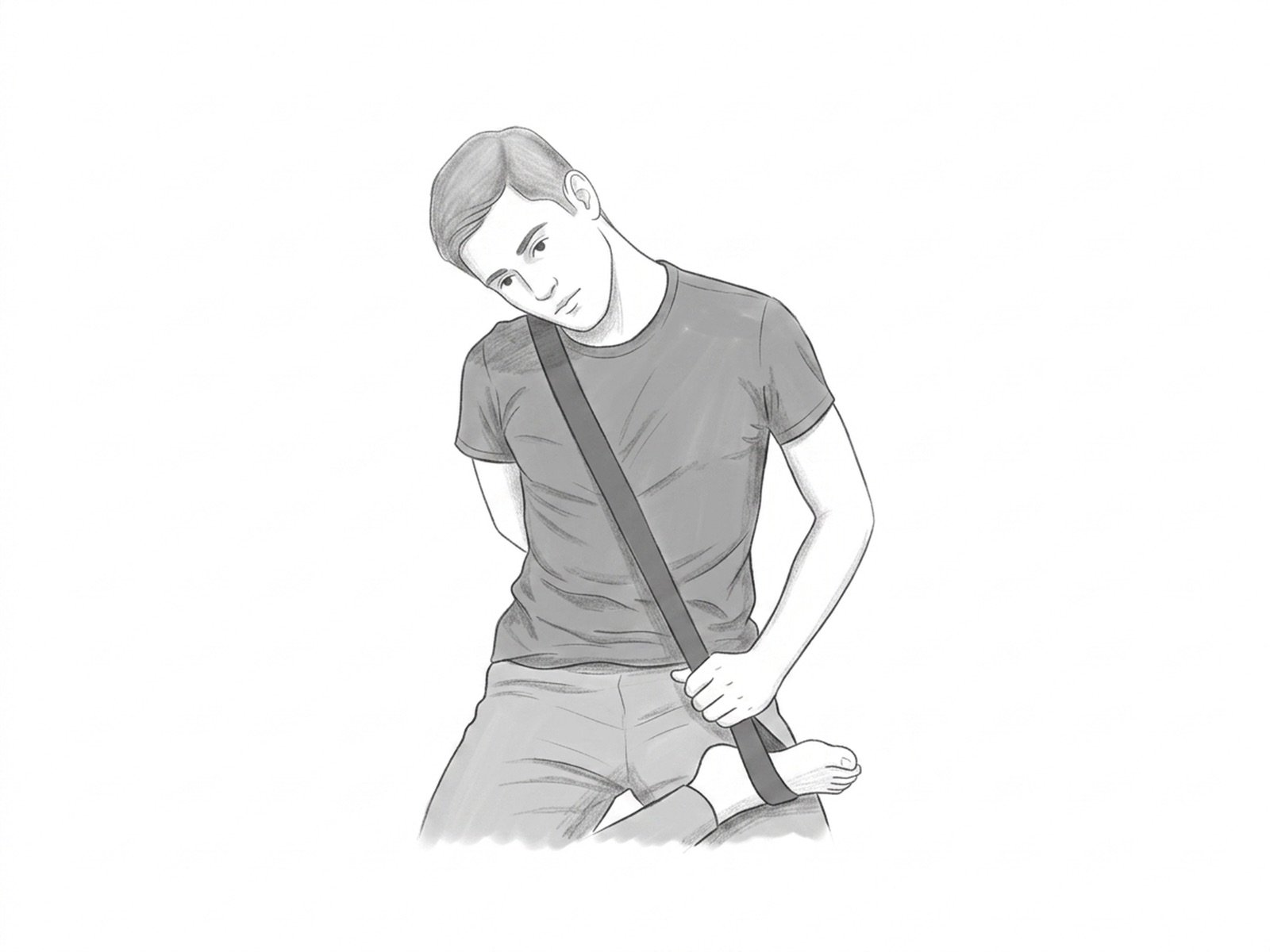
Self-mobilization technique for the first rib using a strap passed over it. Indicated in thoracic outlet syndrome, where elevation of the first rib contributes to neurovascular compression — descending mobilization relieves the syndrome.
How to perform
- Starting position. Sit upright in a chair.
- Step 2. Pass a strap (sturdy fabric or pillowcase) over the first rib (region over the clavicle, near the neck on the affected side), holding both ends of the strap with the hands crossed on the opposite side.
- Step 3. Pull the strap downward and contralaterally, applying descending traction over the first rib.
- Step 4. Maintaining constant traction, slowly tilt the head to the opposite side, amplifying the rib mobilization.
- Return. Hold for 15–20 seconds, breathing calmly, and release gradually. Alternate sides according to clinical need.
When not to perform
- Thoracic outlet syndrome with progressive neurological deficit
- Vertebrobasilar insufficiency
- Cervical ligamentous instability
- Consolidating rib or clavicle fracture
- Recent cervical or thoracic trauma
- Intense acute pain during the maneuver
Medical disclaimer. These exercises are presented for informational purposes only. Always consult your physician before starting any exercise program, especially in case of acute pain, recent injury, or underlying clinical condition.
Related Exercises
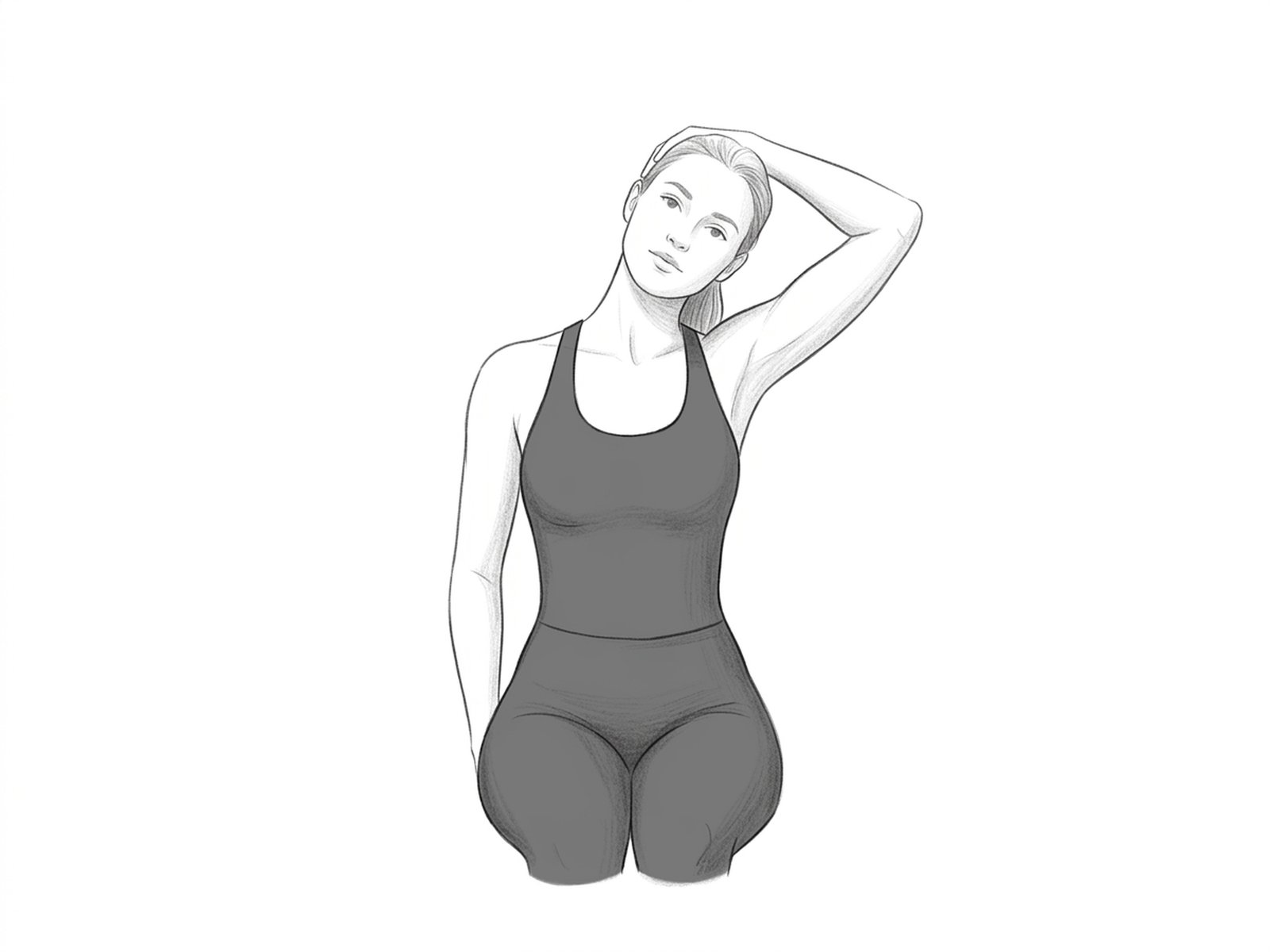
Scalene Stretch
Specific stretch of the anterior, middle, and posterior scalenes — muscles that frequently compress the brachial plexus in thoracic outlet syndrome. Stretching them also helps mobilize the upper ribs, relieving cervical and high-thoracic pain.
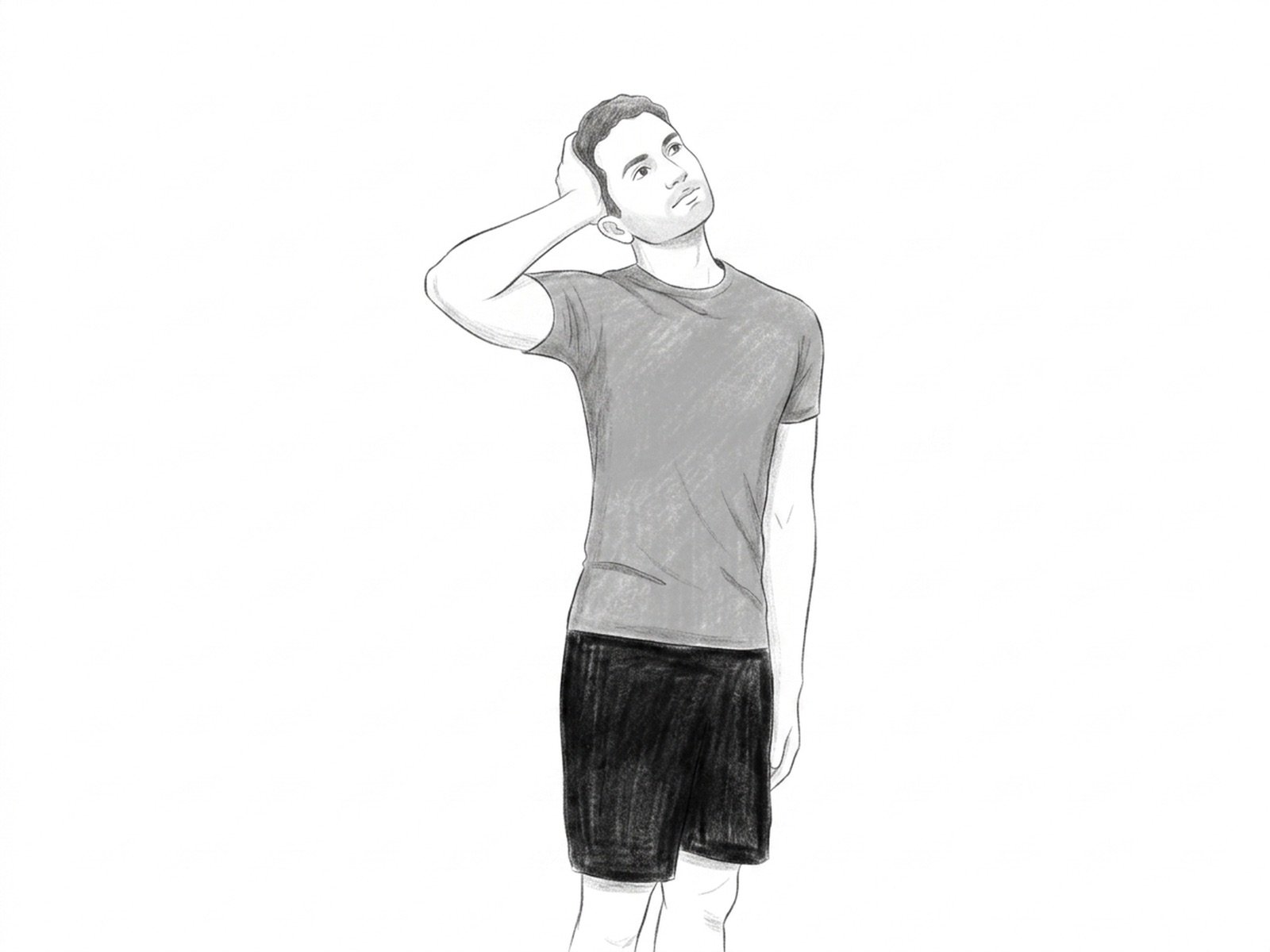
Isotonic Cervical Side-Bend with Resistance
Dynamic strengthening of the lateral neck flexors (scalenes and contralateral sternocleidomastoid) with manual or elastic resistance. Complements isometric work in patients with levator-scapulae dysfunction — develops endurance capacity in a functional pattern.
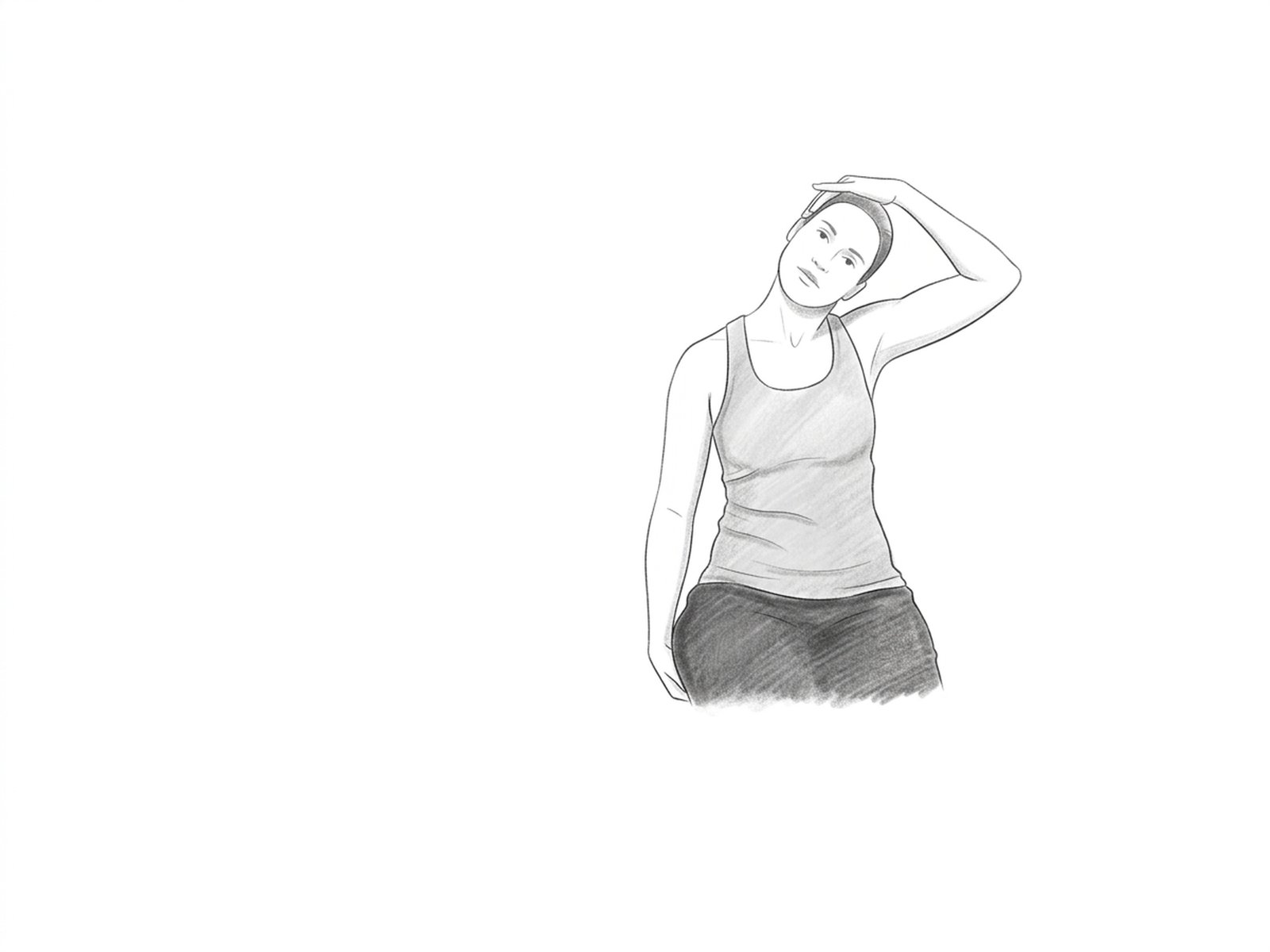
Upper-Trapezius Stretch
Stretches the upper trapezius — a muscle that is commonly hypertonic in patients with mechanical neck pain. Relieves the sensation of heaviness and tension in the neck and shoulders.