Therapeutic exercise
Isometric Hip Abduction with a Strap
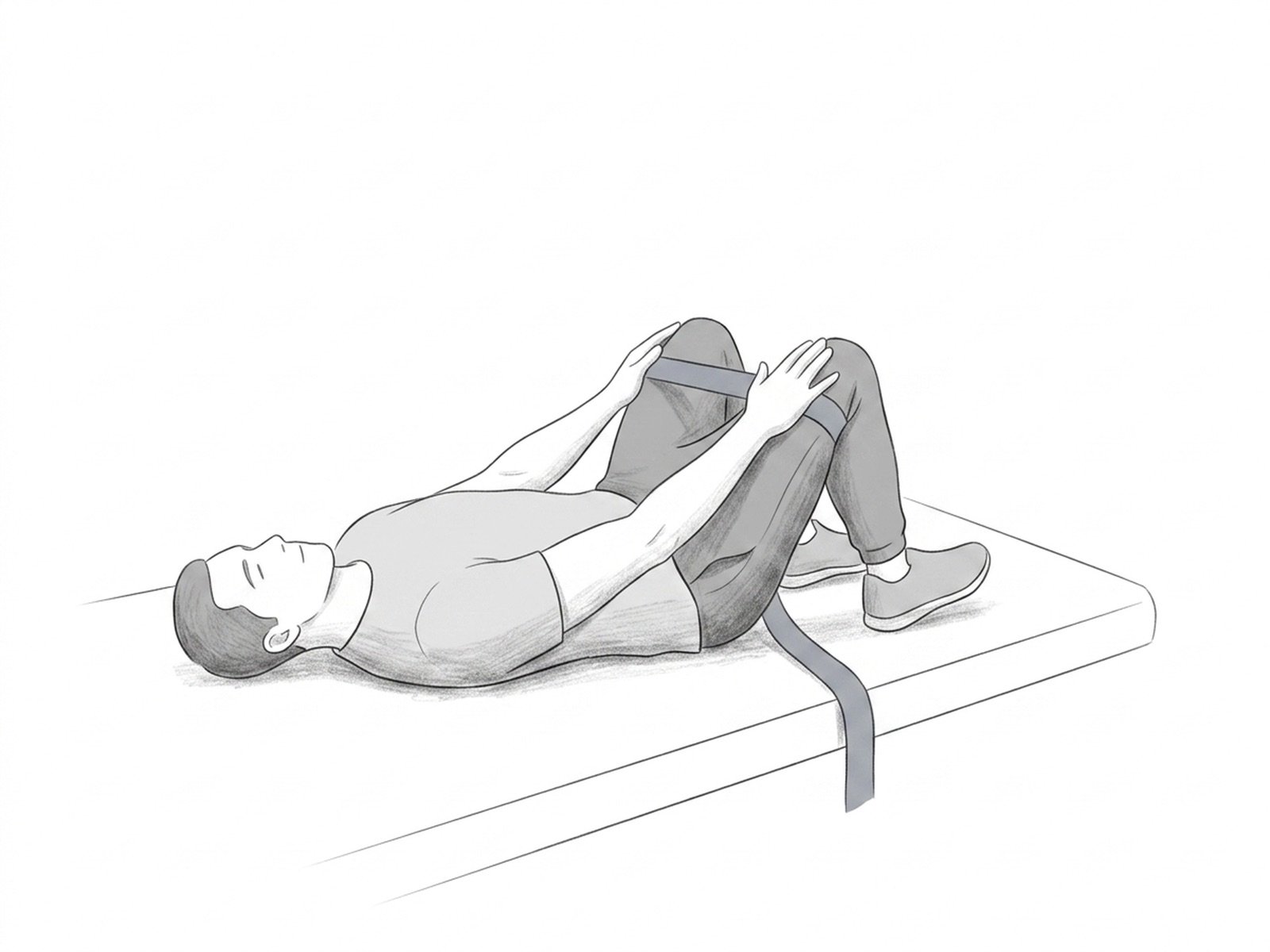
Isometric contraction of the hip abductors against the resistance of a strap or band around the knees. Acts in the vector opposite to adduction, completing sacroiliac stabilization work — both isometrics (adduction and abduction) are prescribed together.
How to perform
- Starting position. Lie face-up with knees bent and feet flat on the floor, hip-width apart.
- Step 2. Pass a firm strap or band around the upper knees, with enough tension to create resistance when the knees push apart.
- Step 3. Push the knees outward against the strap's resistance — the strap should not yield, keeping the knees in the same position (isometric).
- Step 4. Apply about 60–70% of maximum force and hold for 10–15 seconds, feeling the contraction in the gluteus medius and minimus.
- Return. Relax for 5 seconds and repeat. The exercise complements the adduction isometric — prescribe them in sequence.
When not to perform
- Acute sacroiliac joint pain with radiation
- Gluteal tendinopathy in an intense reactive phase
- Acute trochanteric bursitis
- Recent hip surgery
- Pubic symphysis pain with intolerance to lateral tension
- Pregnancy with symptomatic pelvic instability
Medical disclaimer. These exercises are presented for informational purposes only. Always consult your physician before starting any exercise program, especially in case of acute pain, recent injury, or underlying clinical condition.
Related Exercises
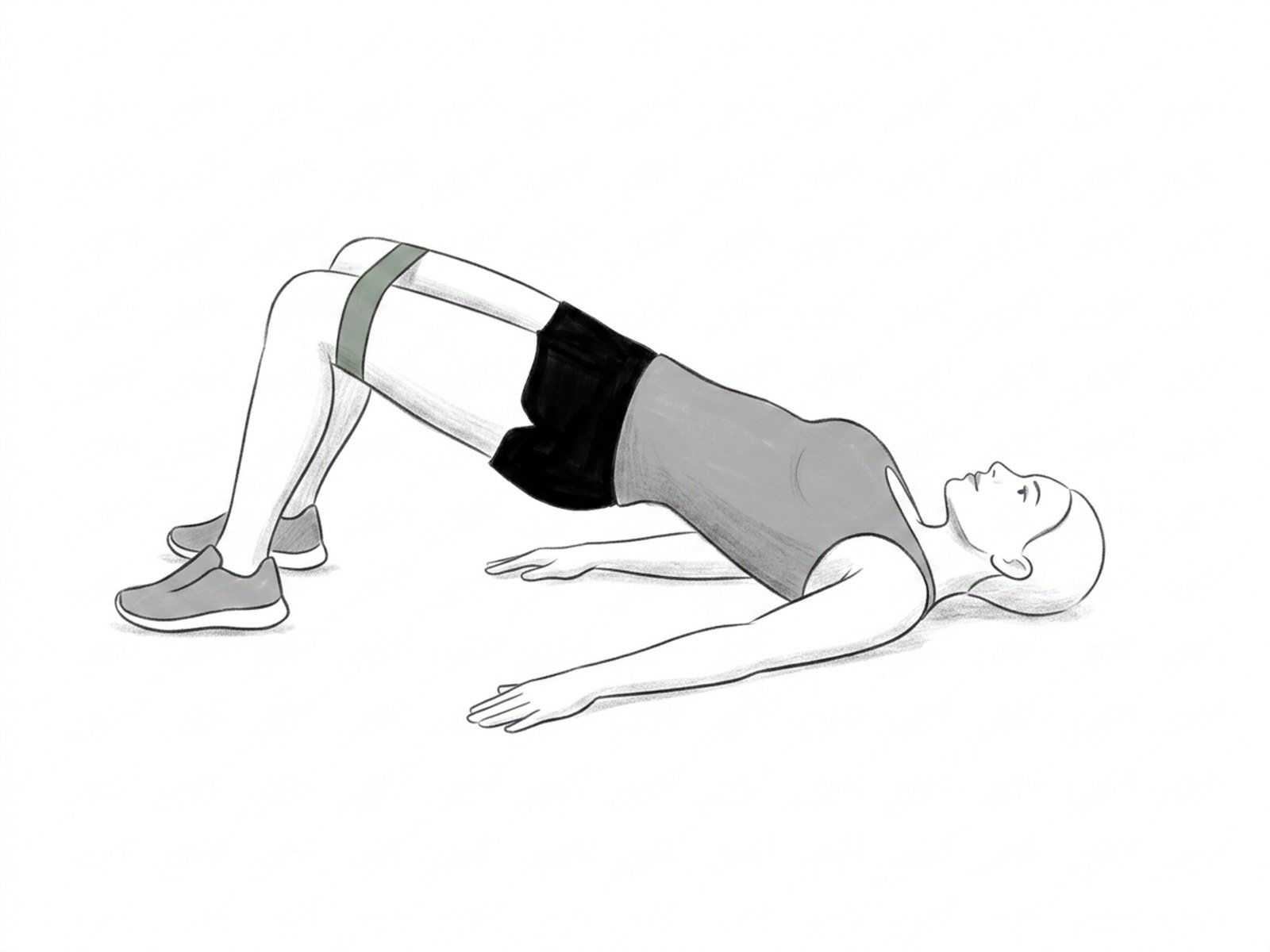
Banded Glute Bridge
Progression of the traditional glute bridge with a resistance band around the knees, adding an active abduction component during pelvic elevation. Recruits the gluteus medius simultaneously with the gluteus maximus — an advanced progression for pelvic-girdle stabilization.
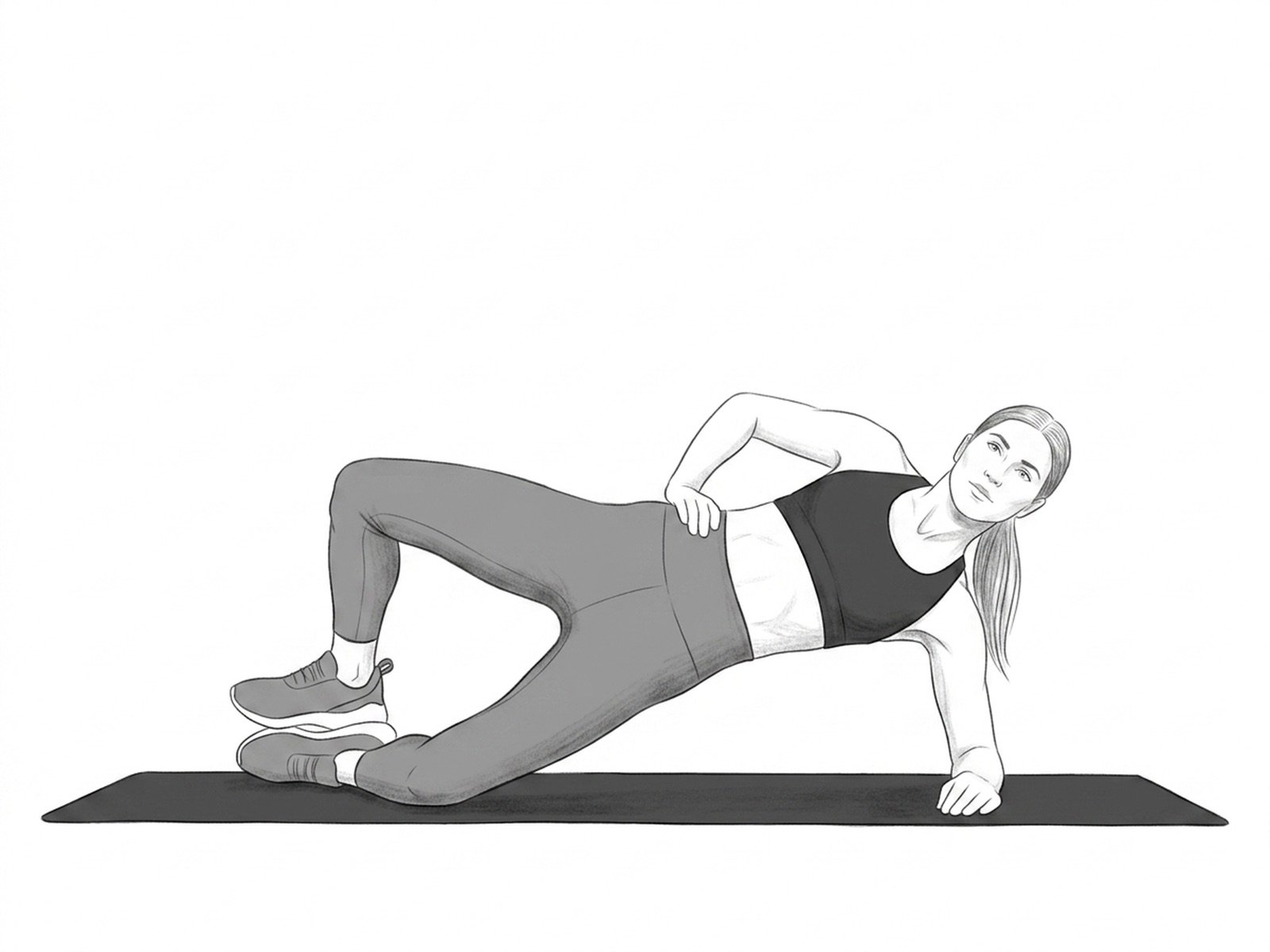
Clamshell
Strengthens the gluteus medius and the external hip rotators. Essential in hip osteoarthritis to reduce the compensatory Trendelenburg pattern during gait.
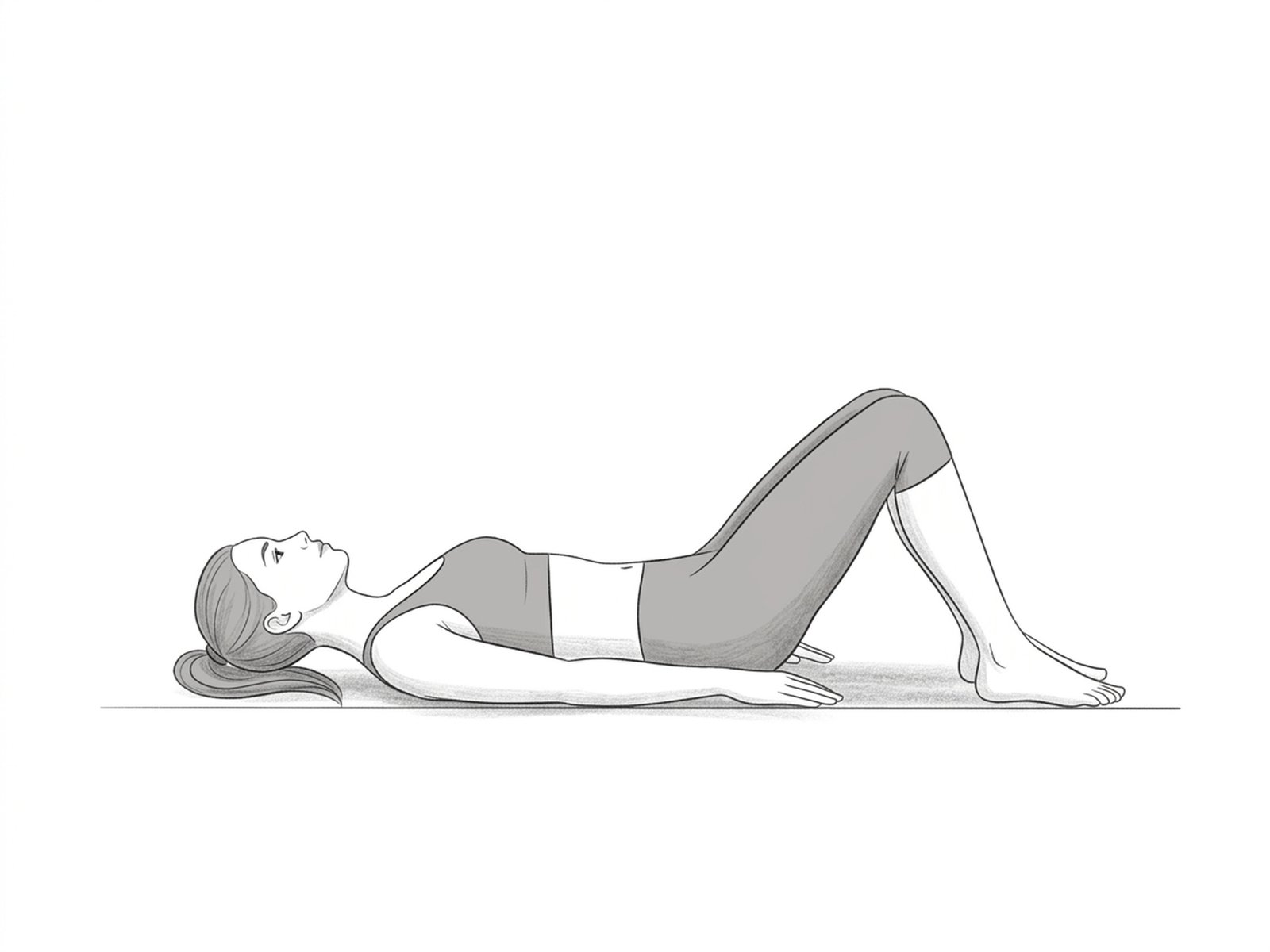
Transversus Abdominis Activation (Drawing-In)
Isolated motor activation of the transversus abdominis, the deep stabilizing muscle of the lumbar spine. The foundational motor-reeducation exercise — fundamental in core instability, sacroiliac dysfunction, and postpartum abdominal diastasis.