Lateral raise
You raise your arms out to the sides, with a light weight in each hand, and stop at shoulder height. It works the middle of the deltoid, the muscle that caps your shoulder, and the upper trapezius and supraspinatus join in. It is a general shoulder strength exercise.
Muscles worked
Illustration demonstrating the position of the Lateral raise exercise.
Biomechanical Execution Sequence
05 phases- Starting position
Stand with your feet hip-width apart.
- Phase 2
Hold a light weight or small water bottle in each fist, with your arms at your sides.
- Phase 3
Raise both arms slowly out to the sides.
- Phase 4
Stop at shoulder height, or sooner if you feel a painful catch.
- Return
Lower your arms slowly back to your sides.
Prescribed in Clinical Guides
Medical disclaimer. These exercises are presented for informational purposes only. Always consult your physician before starting any exercise program, especially in case of acute pain, recent injury, or underlying clinical condition.
Related Exercises
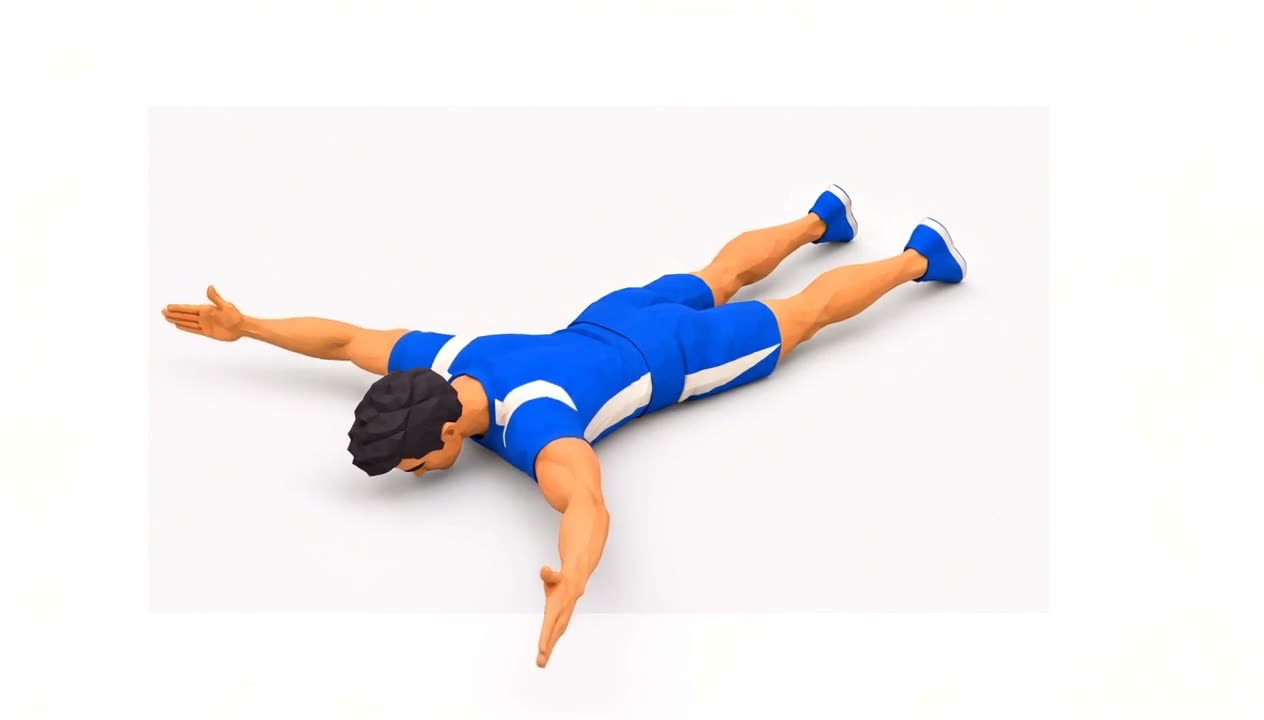
Prone Y-T-W raises
Prone Y-T-W raises comprehensively target the periscapular and rotator cuff musculature to improve scapulothoracic rhythm and dynamic stabilization. By strengthening the lower trapezius, middle trapezius, and posterior rotator cuff, this exercise may help reduce anterior scapular tipping and support subacromial space during upper extremity elevation, thereby reducing impingement symptoms.
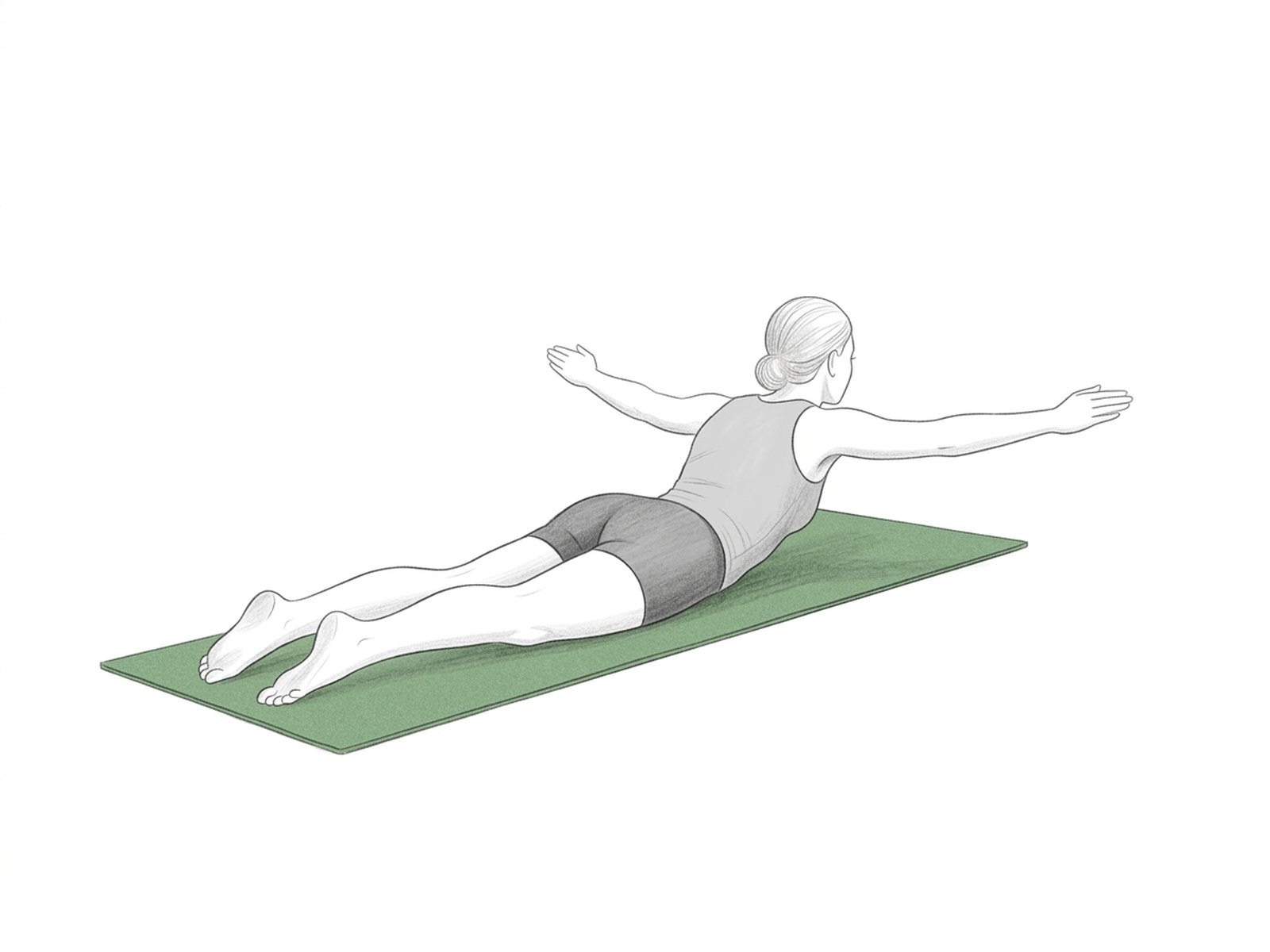
Prone T-Raise
Isolation of the middle trapezius and posterior deltoid in a prone position. Component of the Prone I/T/Y/W series — essential for re-balancing the shoulder girdle in patients with upper-crossed syndrome and scapular dyskinesia.
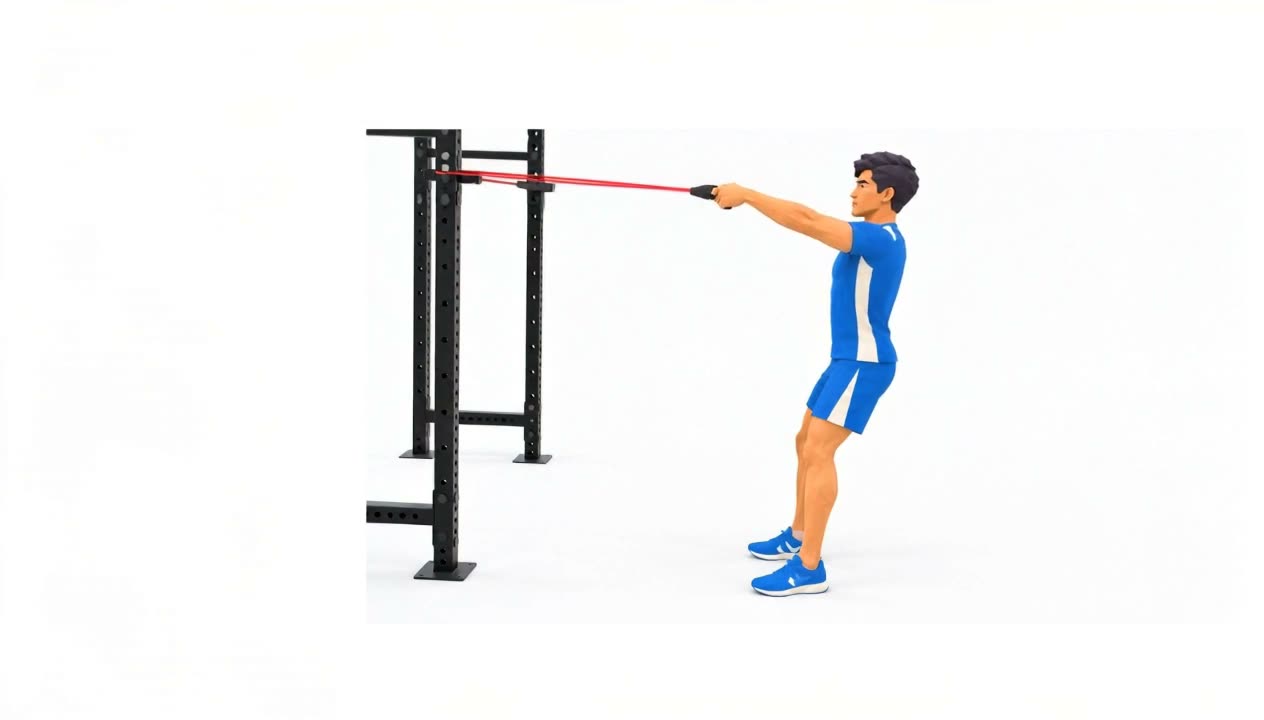
Banded face pulls
Banded face pulls target the scapular retractors and posterior shoulder musculature to combat rounded shoulder posture. By actively engaging the rhomboids and trapezius, this exercise improves interscapular muscular endurance and may help reduce pain related to prolonged postural overstretch of the tissues.