Therapeutic exercise
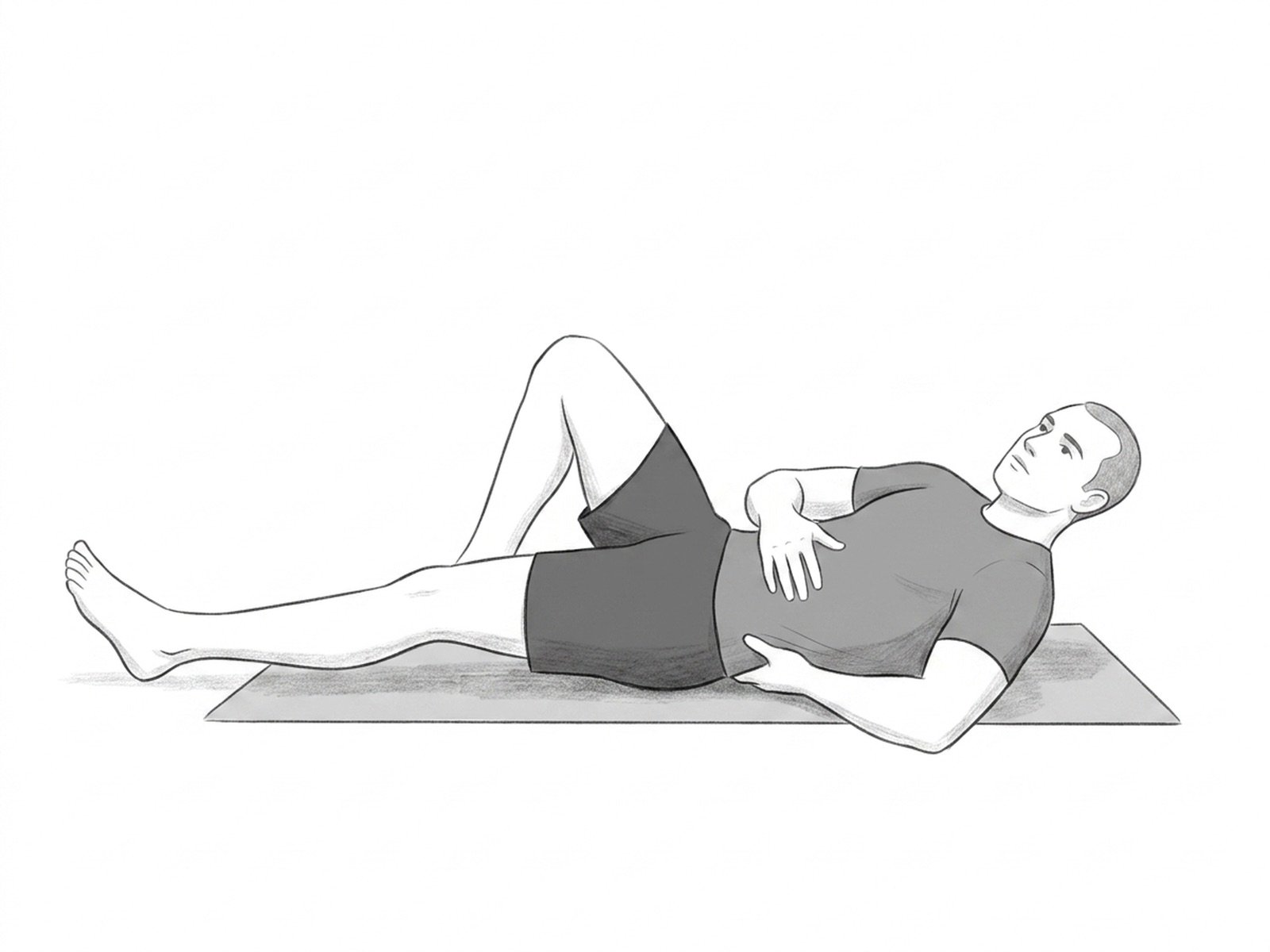
McGill Curl-Up
Rectus abdominis activation without excessive lumbar flexion — a component of the McGill Big 3. Different from a traditional sit-up: the spine remains neutral, protecting the discs.
How to perform
- Starting position. Lie on your back with one leg extended and the other bent (foot on the floor).
- Step 2. Place your hands beneath the low back to preserve the natural lumbar curve.
- Step 3. Lift the head and shoulders 2–3 cm off the floor, without flexing the lumbar spine.
- Return. Hold for 7–8 seconds. Alternate which leg is bent between sets.
When not to perform
- Acute cervical pain when lifting the head
- Vertebral osteoporosis with fracture risk
Medical disclaimer. These exercises are presented for informational purposes only. Always consult your physician before starting any exercise program, especially in case of acute pain, recent injury, or underlying clinical condition.
Related Exercises
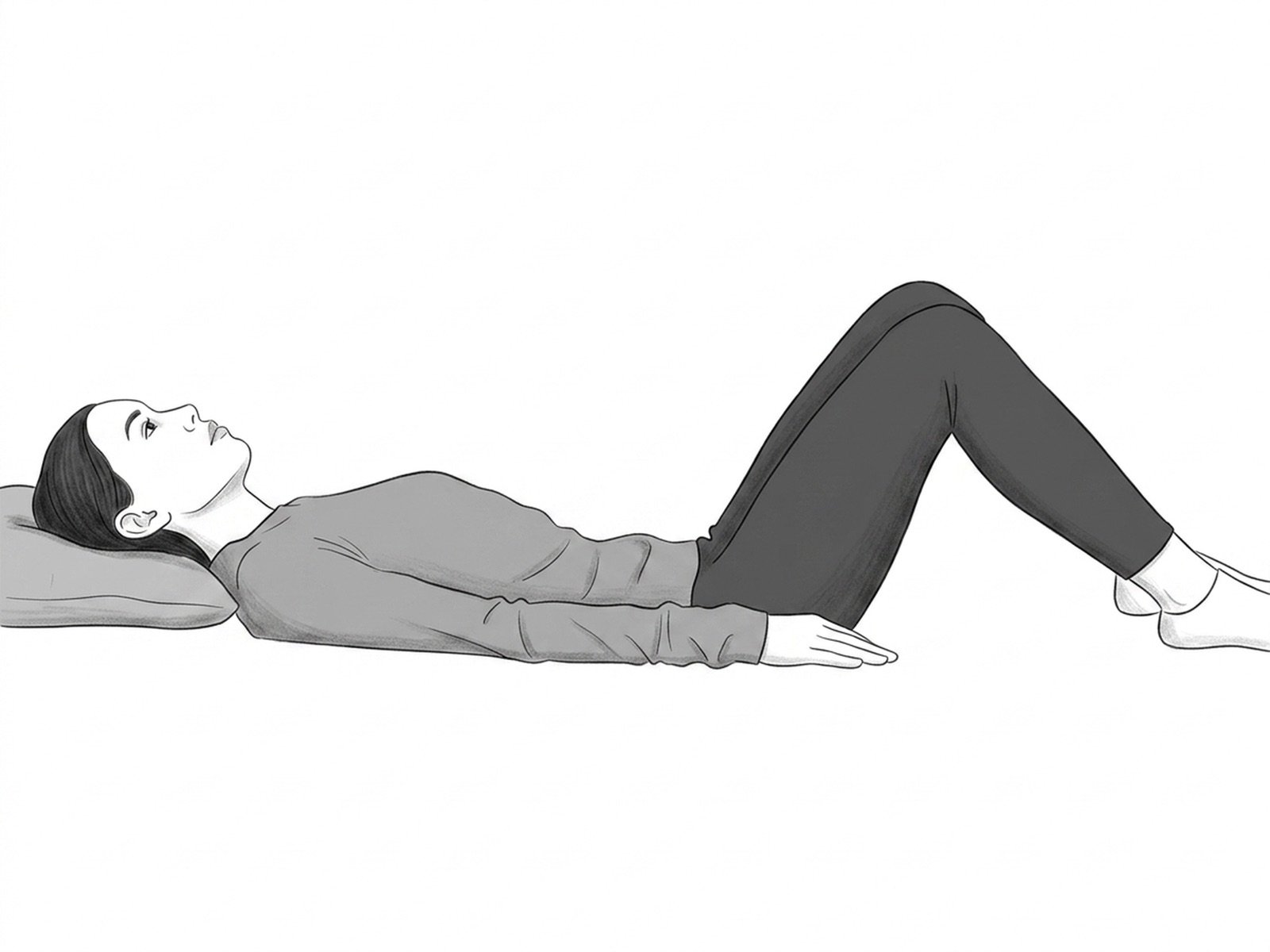
Supine Abdominal Bracing
360° isometric contraction of the entire abdominal musculature (transversus, obliques, and rectus abdominis) in supine — different from drawing-in (which isolates only the transversus). This is the dynamic stabilization pattern for high loads, essential in spondylolisthesis and in preparation for lifting activities.
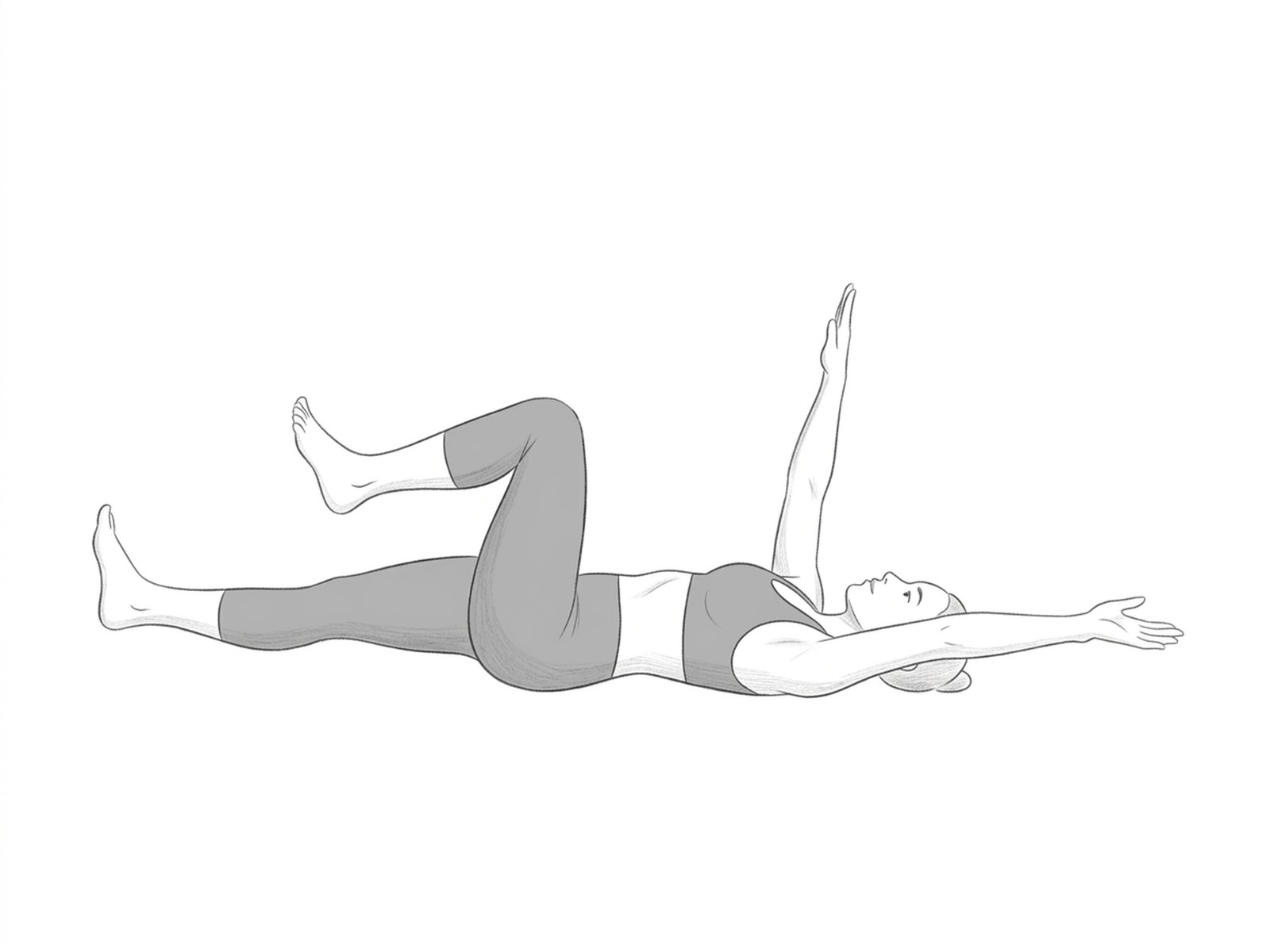
Dead Bug
Open-chain core stabilization exercise. Trains dissociation between the limbs and the trunk while maintaining a neutral spine — the natural progression between pelvic tilts and bird dog.
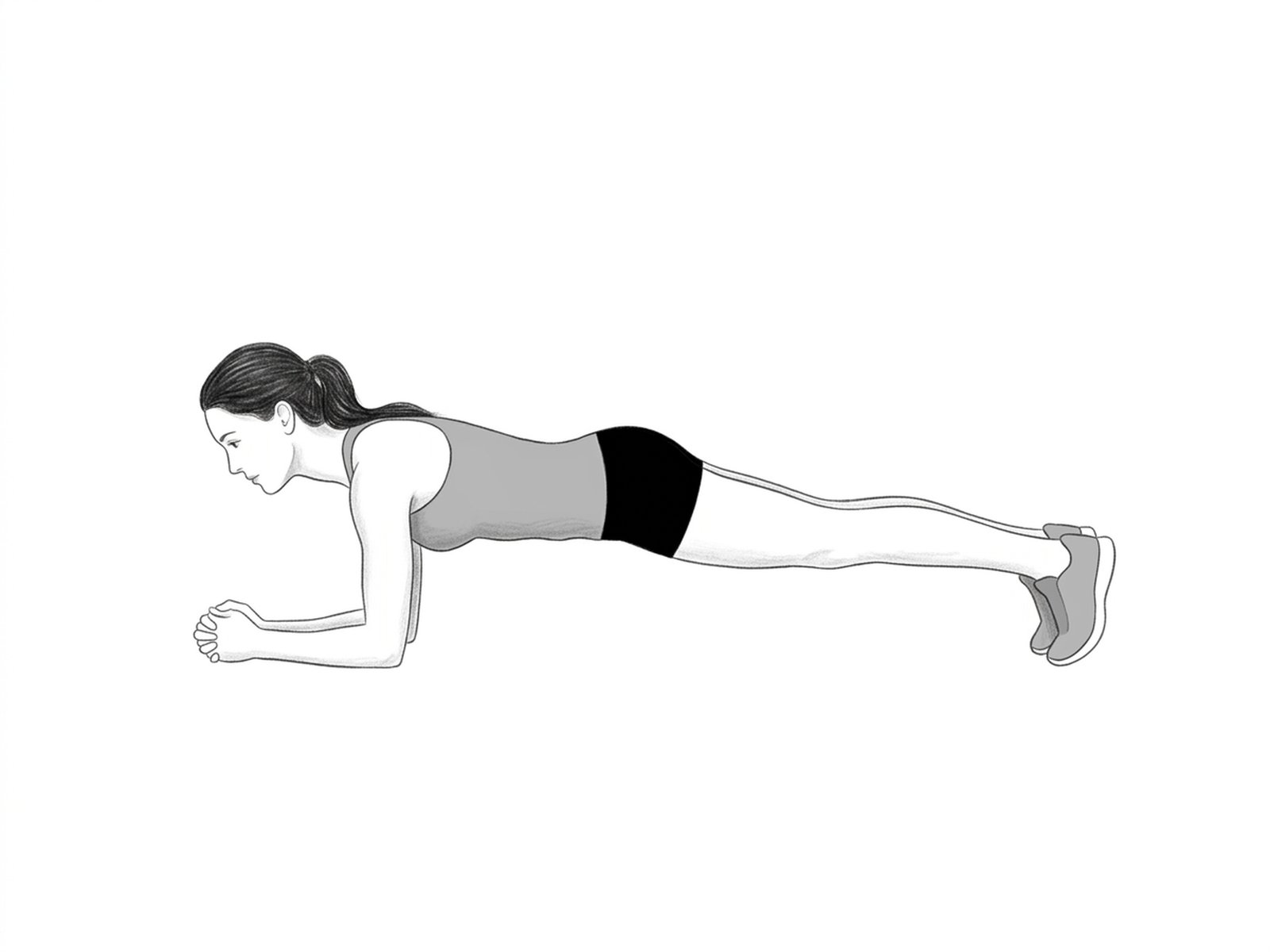
Front Plank (Regular and Modified)
Integrated isometric contraction of the spinal stabilizers in a closed kinetic chain, in a prone position on the forearms. A key exercise in core instability rehabilitation — trains anti-gravity co-contraction that transfers to functional activities.