Therapeutic exercise
Scapular Retraction with Depression
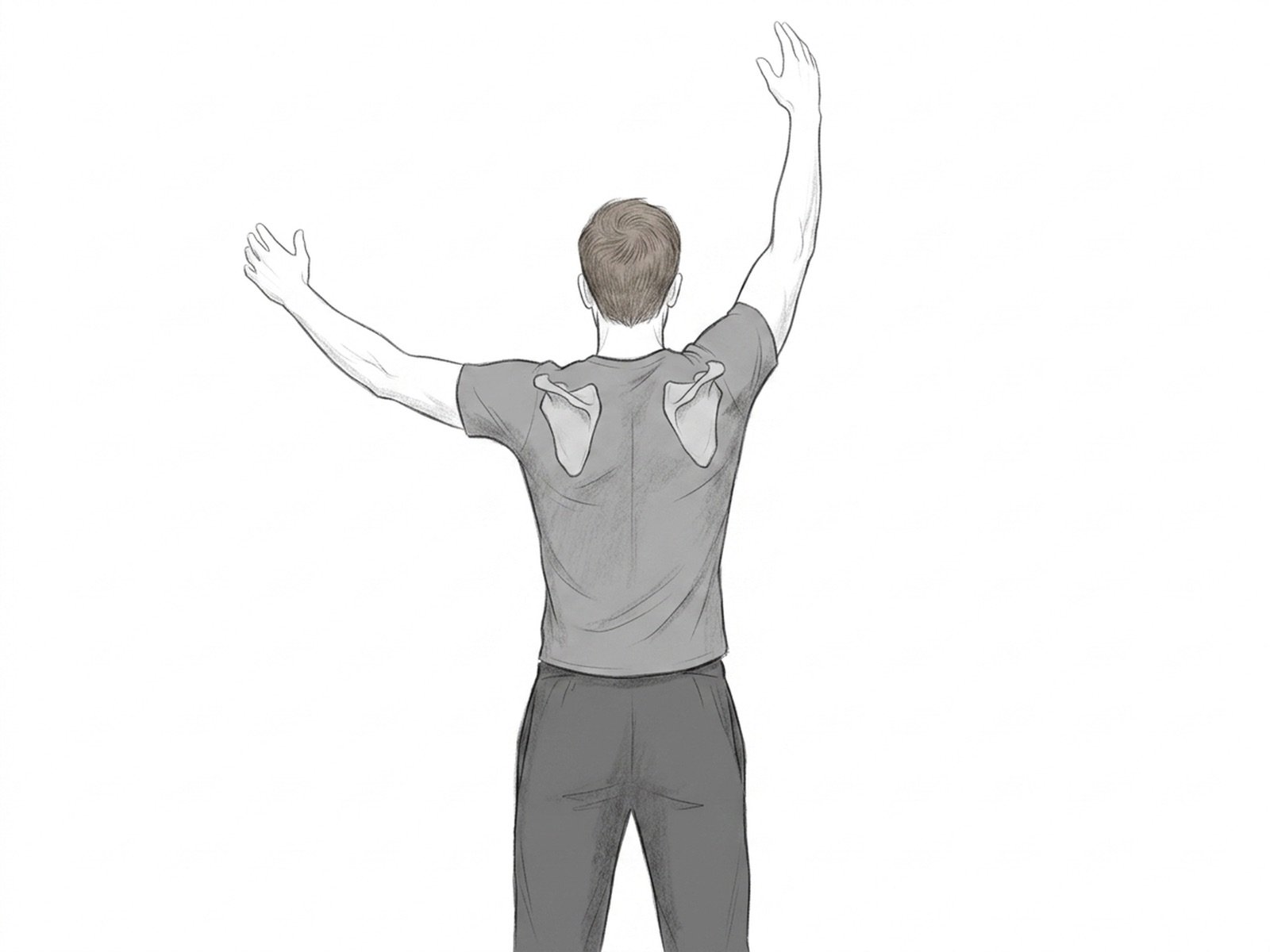
Scapular activation pattern combining retraction (drawing the scapulae together) with depression (lowering the scapulae). Essential for thoracic outlet syndrome and for correcting the chronic upper-trapezius elevation in patients with upper-crossed syndrome.
How to perform
- Starting position. Sit or stand with an upright spine and arms relaxed at the sides.
- Step 2. Gently lift the chest and squeeze the scapulae together without shrugging — the sensation is of pressing something between the shoulder blades.
- Step 3. Keeping the scapulae together, pull them downward, as if pointing them toward your back pockets.
- Step 4. Hold the position for 5–10 seconds, breathing normally — the shoulders should be far from the ears.
- Return. Relax slowly and repeat. Avoid raising the shoulders during any phase of the movement.
When not to perform
- Recent shoulder surgery
- Acute rotator-cuff injury
- Symptomatic acute cervical disc herniation
- Acute cervical pain with radiation
- Glenohumeral instability
- Consolidating clavicular fracture
Medical disclaimer. These exercises are presented for informational purposes only. Always consult your physician before starting any exercise program, especially in case of acute pain, recent injury, or underlying clinical condition.
Related Exercises
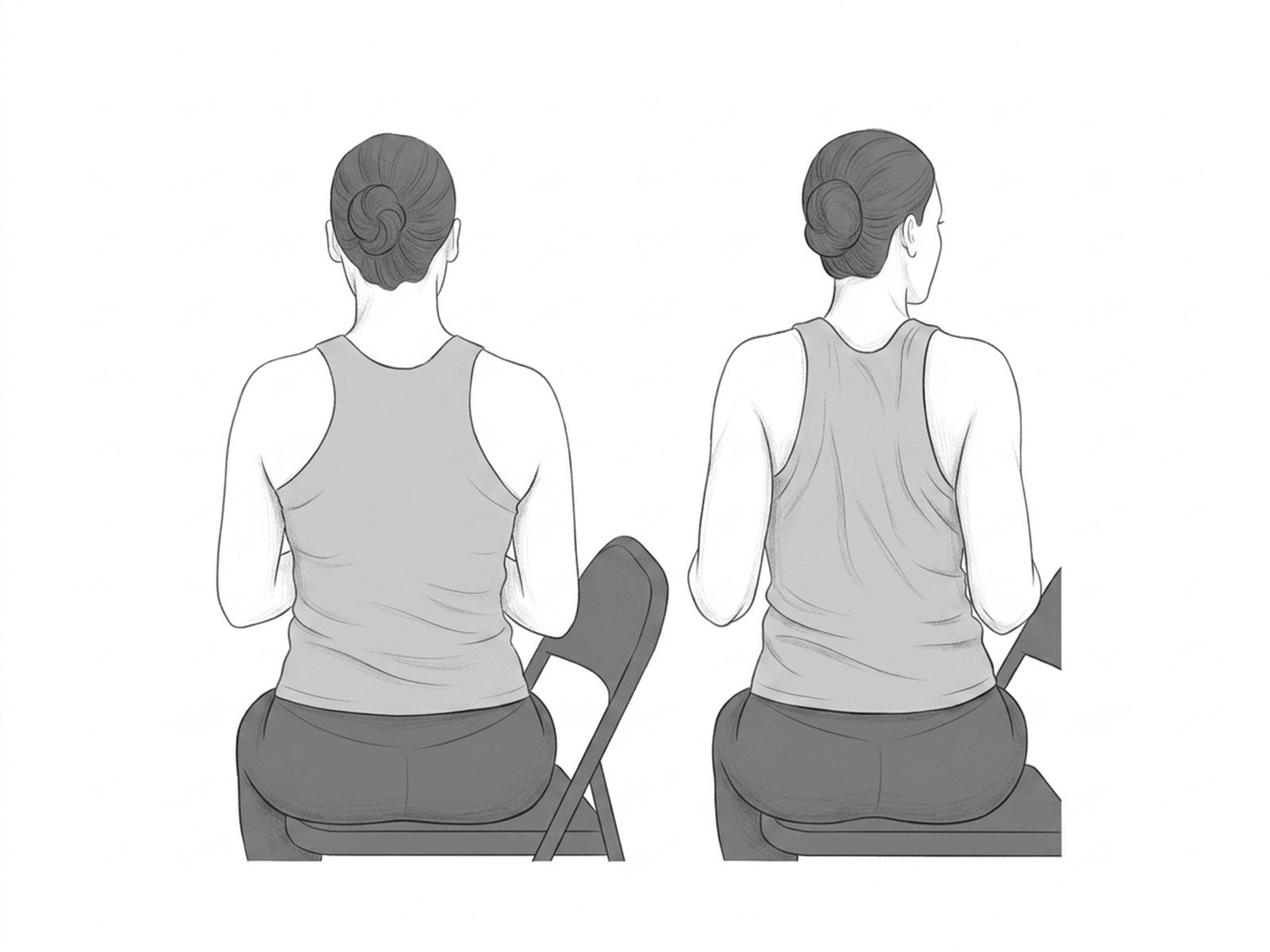
Scapular Retraction
Strengthens the scapular stabilizers — which support cervical posture and relieve compensatory overload on the upper trapezius, a muscle commonly tense in patients with neck pain.
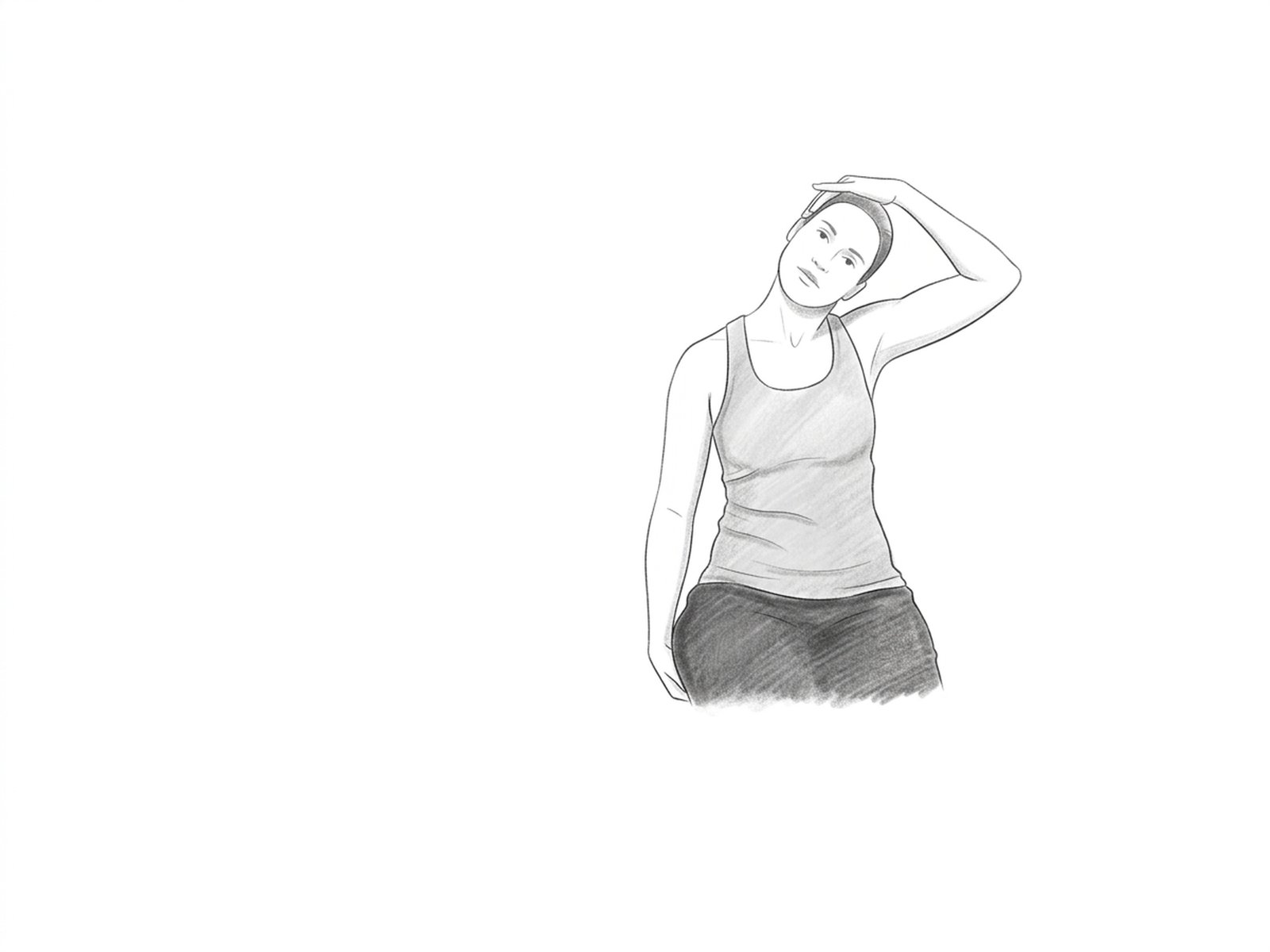
Upper-Trapezius Stretch
Stretches the upper trapezius — a muscle that is commonly hypertonic in patients with mechanical neck pain. Relieves the sensation of heaviness and tension in the neck and shoulders.
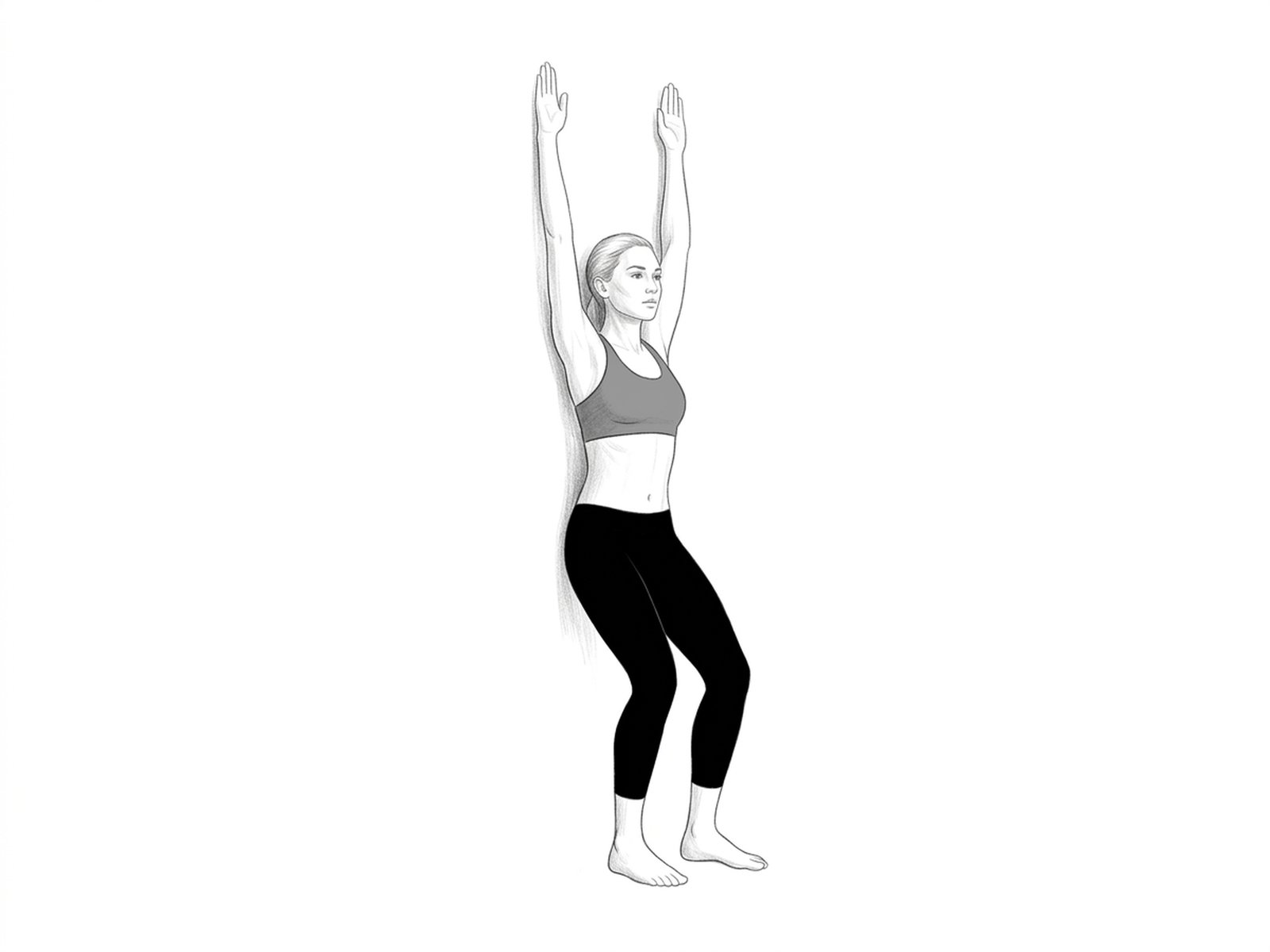
Wall Angels
Scapulothoracic mobilization in the posterior chain that corrects kyphotic posture. Indicated as an adjunct in cervical disc herniation to reduce compensatory overload.