Therapeutic exercise
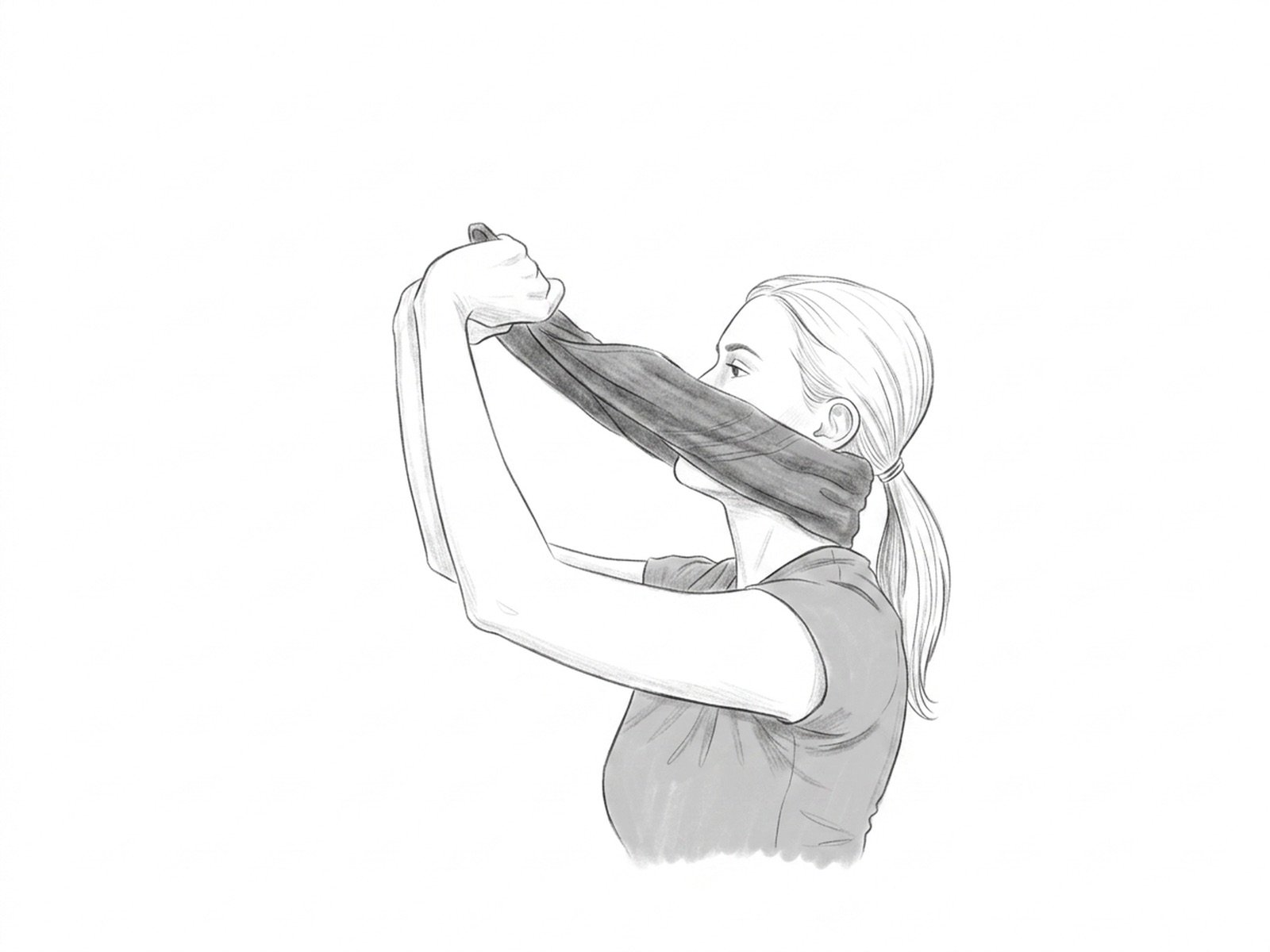
Cervical SNAGs with a Towel
Mulligan technique combining sustained apophyseal glide with active cervical movement. Indicated for cervicogenic headache and segmental cervical stiffness — the towel generates the proprioceptive input that unlocks the joint while the patient performs the previously painful range.
How to perform
- Starting position. Sit upright and loop a folded towel around the neck at the level of the most painful vertebra (usually C2 or C3 for cervicogenic headache).
- Step 2. Hold the towel ends in front and pull them gently upward and forward, toward your eyes — this creates the sustained apophyseal glide.
- Step 3. Keeping constant towel traction, actively perform the cervical movement that previously caused pain (rotation, extension, or flexion), within the symptom-free range.
- Step 4. Return to neutral keeping the towel active and repeat the movement.
- Return. The glide should eliminate or significantly reduce the pain during the movement — if pain increases, adjust the towel angle.
When not to perform
- Cervical ligamentous instability
- Vertebrobasilar insufficiency
- Recent cervical surgery
- Rheumatoid arthritis with atlantoaxial subluxation
- Vertebral tumor or metastasis at the cervical spine
- Consolidating cervical vertebral fracture
Medical disclaimer. These exercises are presented for informational purposes only. Always consult your physician before starting any exercise program, especially in case of acute pain, recent injury, or underlying clinical condition.
Related Exercises
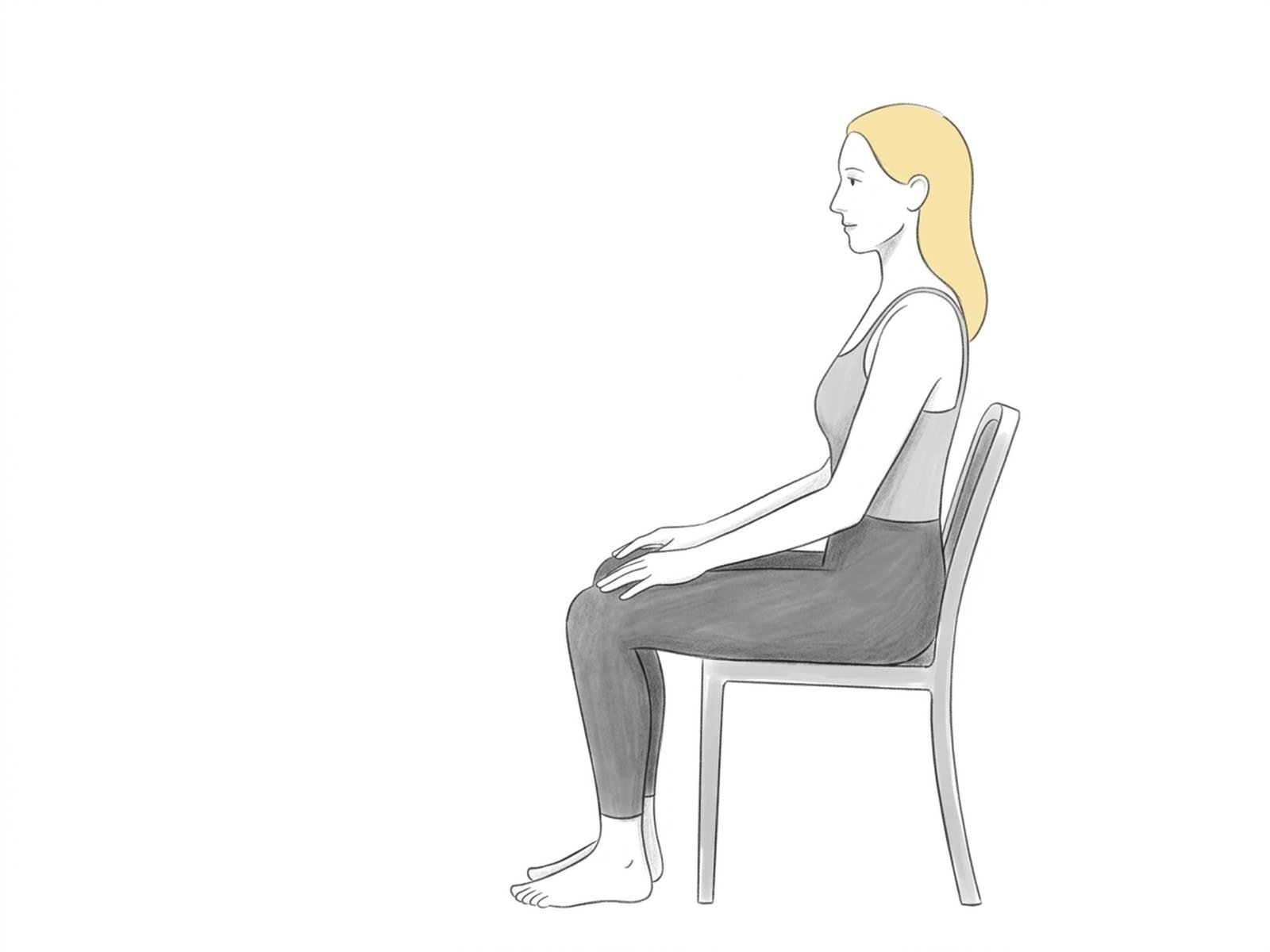
Deep Cervical Flexor Activation (Head Nod)
Isolated recruitment of the deep cervical flexors (longus colli and longus capitis) without activating the sternocleidomastoid. The foundation of cervical postural retraining — patients with upper-crossed syndrome almost always have these muscles inhibited.
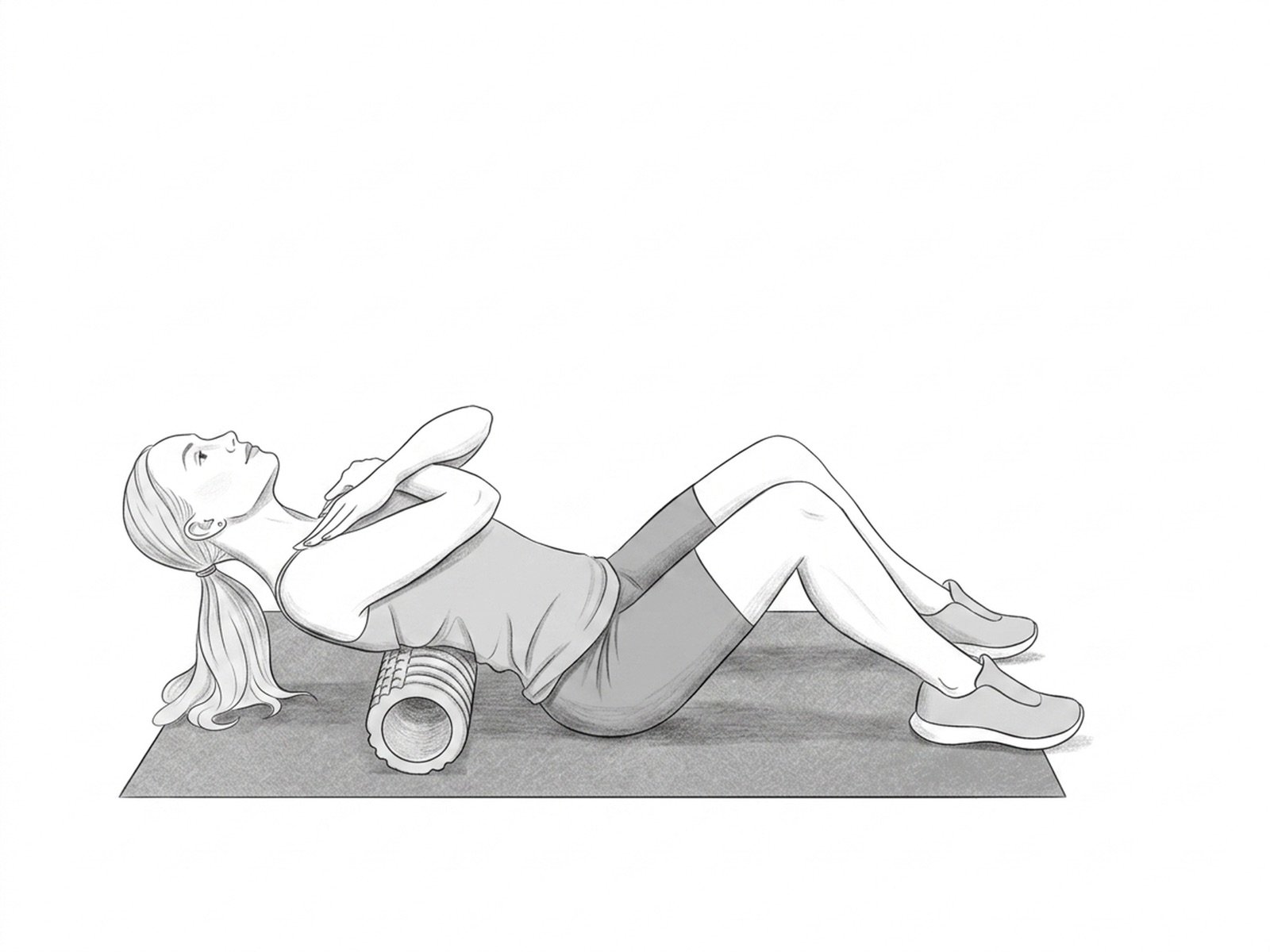
Thoracic Mobilization on a Foam Roller
Mobilizes the thoracic spine into extension using a foam roller. Improves mobility of the thoracic kyphosis and reduces secondary cervical compensations driven by stiffness in this region — common in people who spend long hours at a computer.
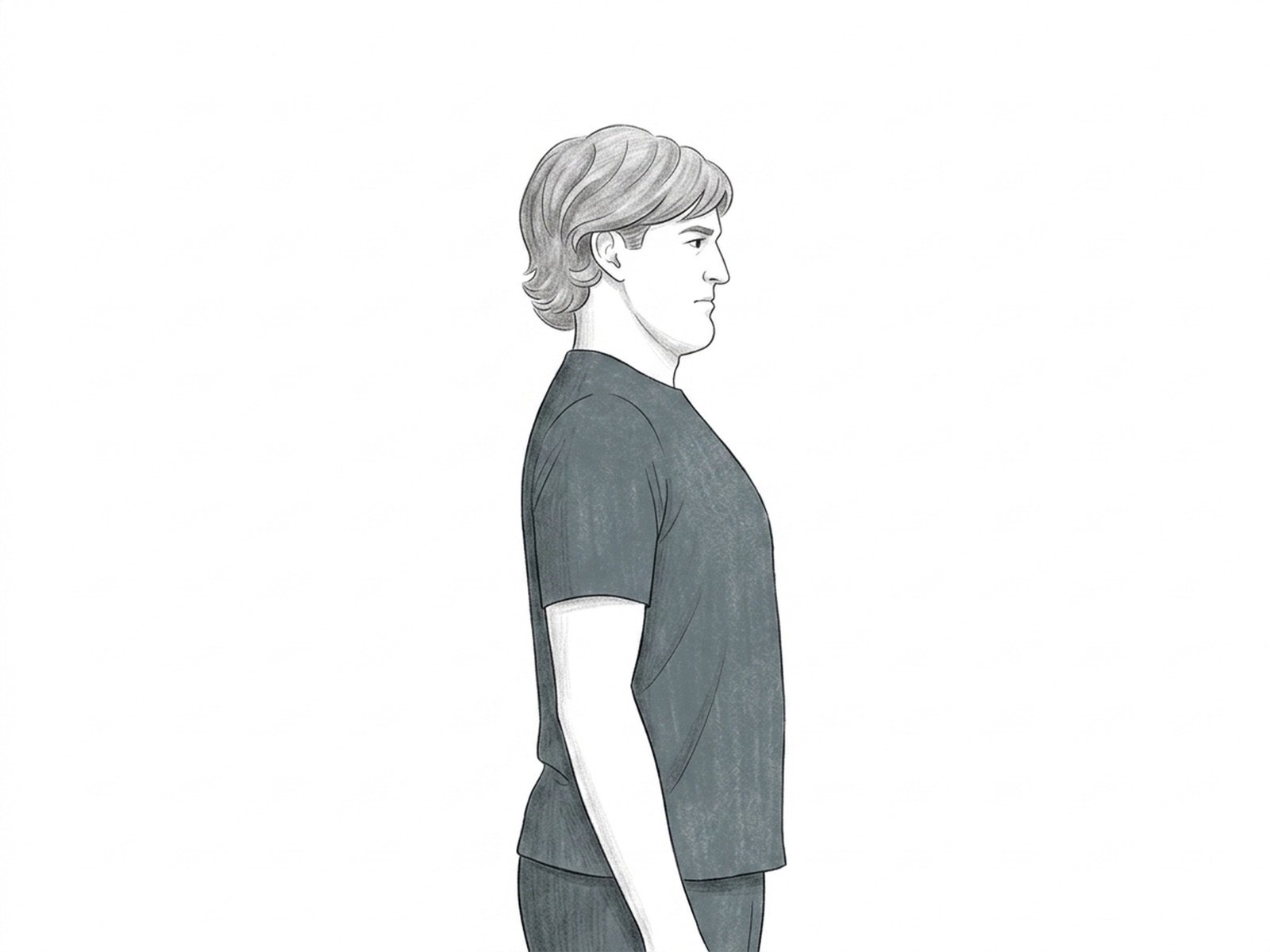
Cervical Retraction (Chin Tuck)
Activates the deep cervical flexors — longus colli and longus capitis — muscles essential for cervical stabilization and frequently inhibited in chronic neck-pain patterns.