Therapeutic exercise
Standing Lumbar Extension
An extension-based mobilization useful for facet-joint pain and disc decompression after long periods of sitting. Provides immediate relief in non-radiating low-back patterns.
How to perform
- Starting position. Stand with your feet hip-width apart.
- Step 2. Place your hands on the back of your waist with your thumbs pointing to the sides.
- Step 3. Slowly extend your spine backward, without forcing, looking slightly upward.
- Return. Return to a neutral position with control.
When not to perform
- Spinal stenosis with neurogenic claudication
- Unstable spondylolisthesis
- Dizziness with cervical extension
Medical disclaimer. These exercises are presented for informational purposes only. Always consult your physician before starting any exercise program, especially in case of acute pain, recent injury, or underlying clinical condition.
Related Exercises
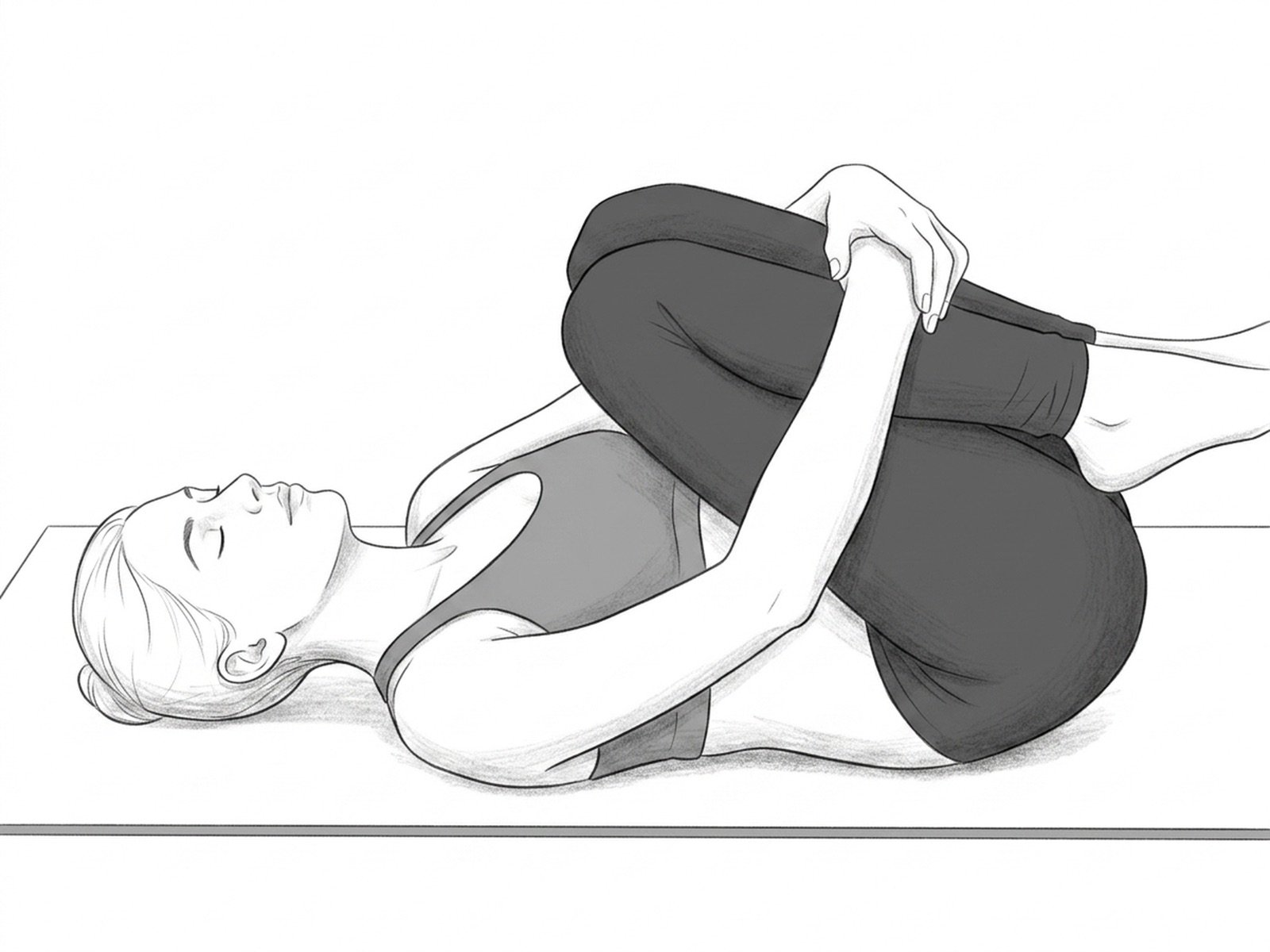
Double Knee-to-Chest
Bilateral variation of the knee-to-chest stretch, applying global lumbar spine flexion. More intense than the unilateral version, it is indicated in spinal stenosis and flexion-preference low back pain — opens the facet joints and relieves pressure on the neural roots.
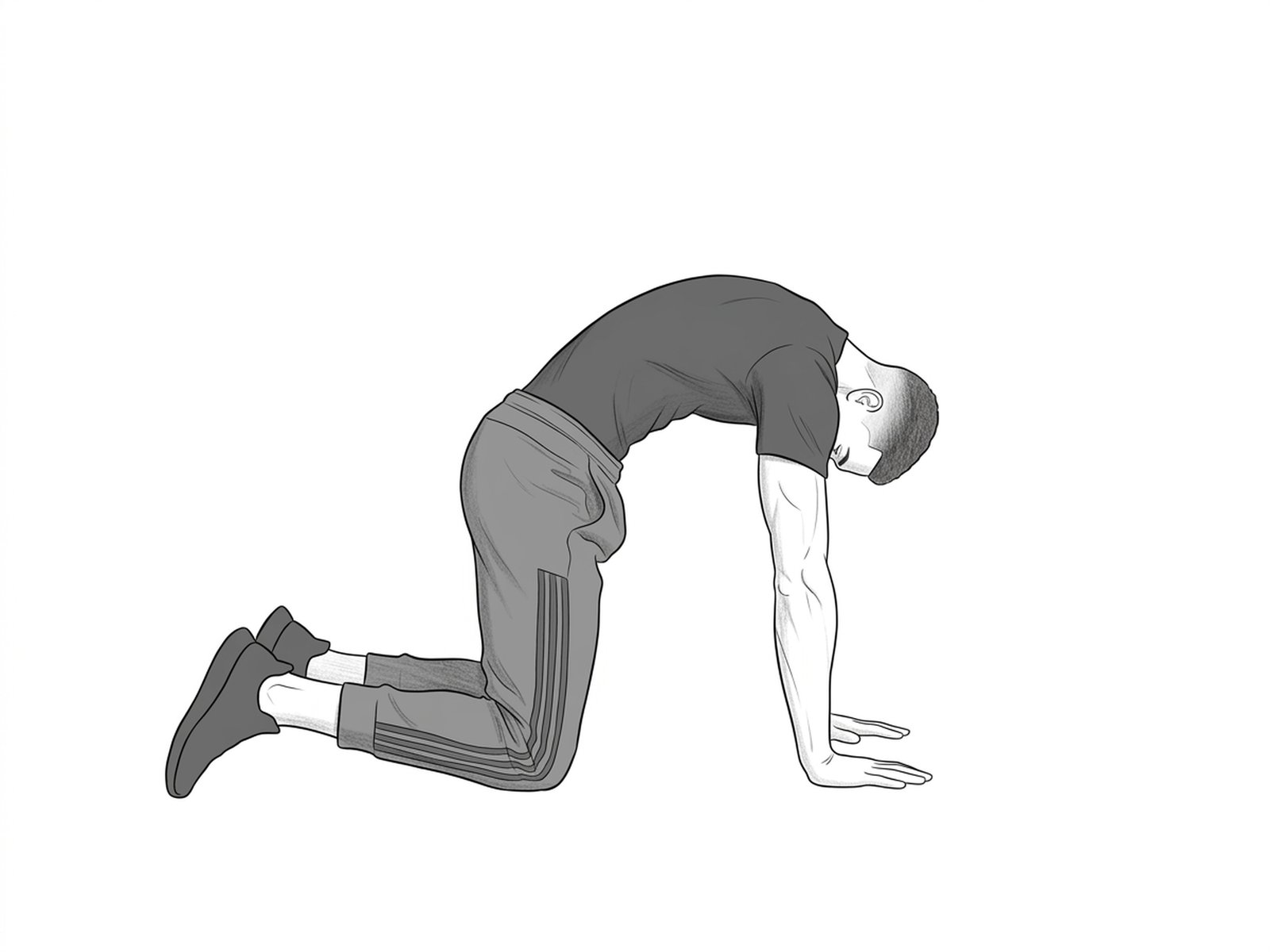
Cat-Cow
Segmental mobilization of the spine in flexion and extension. Improves vertebral mobility, helps lubricate the facet joints, and relieves the stiffness typical of prolonged static postures.
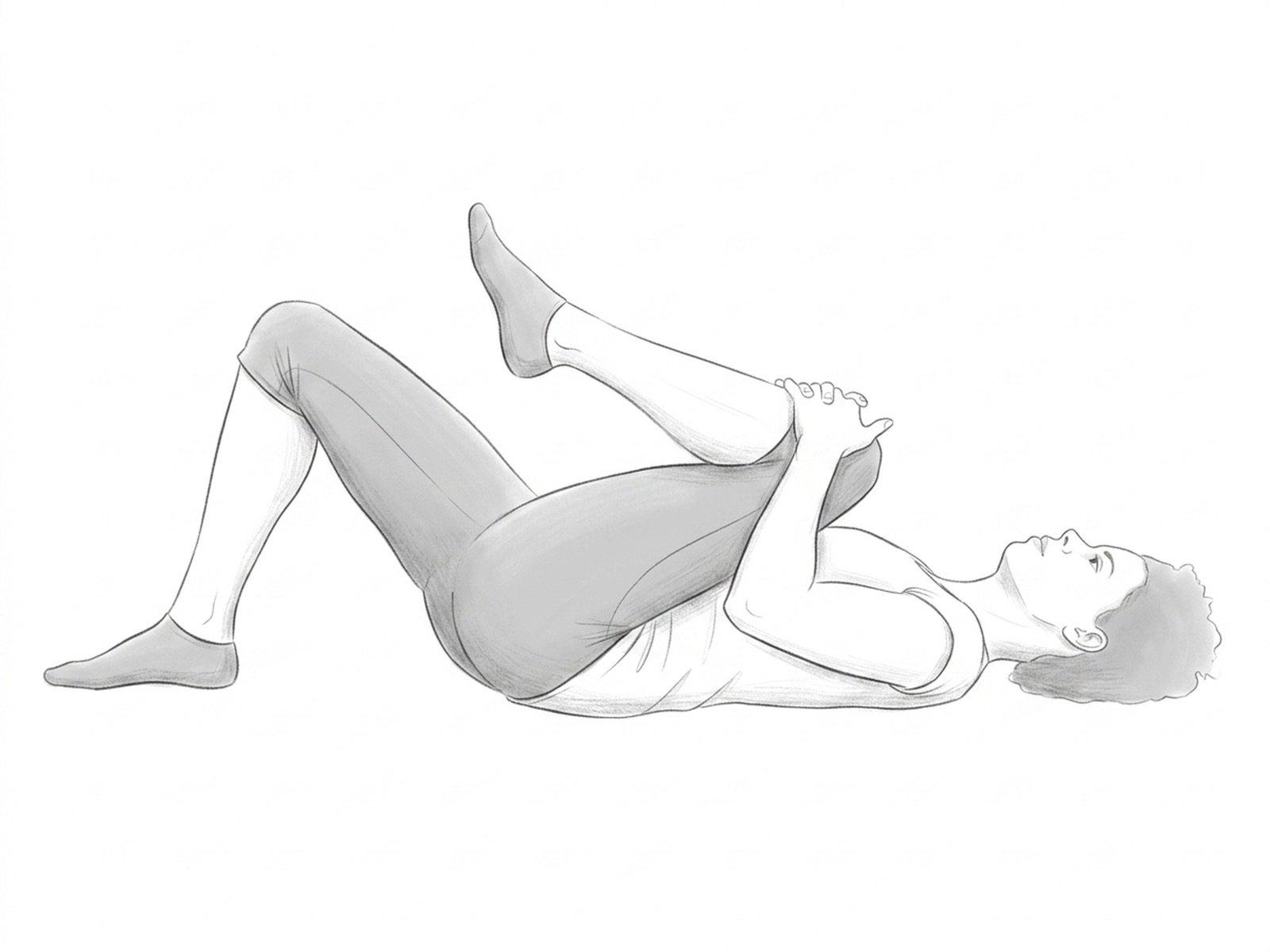
Knee-to-Chest Stretch
A gentle stretch for the lumbar paraspinal muscles and the glutes. Promotes joint decompression and symptomatic relief, particularly useful during acute flares of non-radiating pain.