Therapeutic exercise
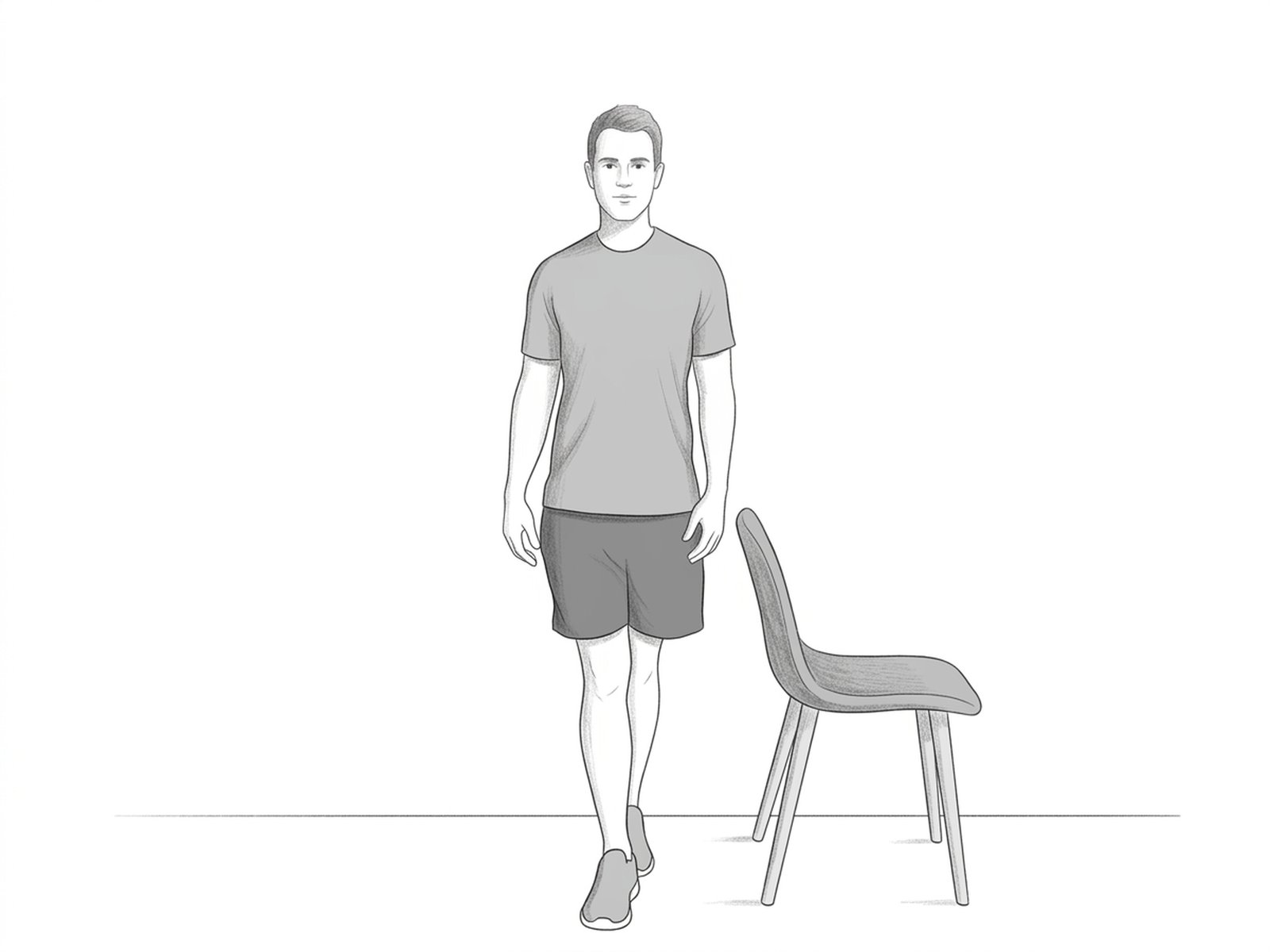
Tandem Stance and Heel-to-Toe Walking
Balance training on a narrow base, progressing from static position (tandem) to dynamic gait (heel-to-toe). Functional proprioceptive progression in ankle sprain and tibialis-posterior dysfunction — intermediate between bipedal and single-leg support.
How to perform
- Starting position. Static position (tandem): Stand with one foot directly in front of the other, heel of the front foot touching the toes of the back foot — a very narrow base.
- Step 2. Hold the balance for 30 seconds, alternating which foot is in front.
- Step 3. Dynamic gait (heel-to-toe): Step forward placing the heel directly against the toes of the previous foot, as if walking on a line.
- Step 4. Continue 10 steps forward, then return 10 steps backward with the same pattern.
- Return. For progression, perform with the eyes closed or add tasks (counting backward, reciting a poem).
When not to perform
- Acute ankle sprain
- Severe vertigo or decompensated vestibular dysfunction
- Recent lower-limb fracture
- Recent post-operative ankle surgery
- Peripheral neuropathy with significant fall risk
- Severe orthostatic hypotension
Medical disclaimer. These exercises are presented for informational purposes only. Always consult your physician before starting any exercise program, especially in case of acute pain, recent injury, or underlying clinical condition.
Related Exercises
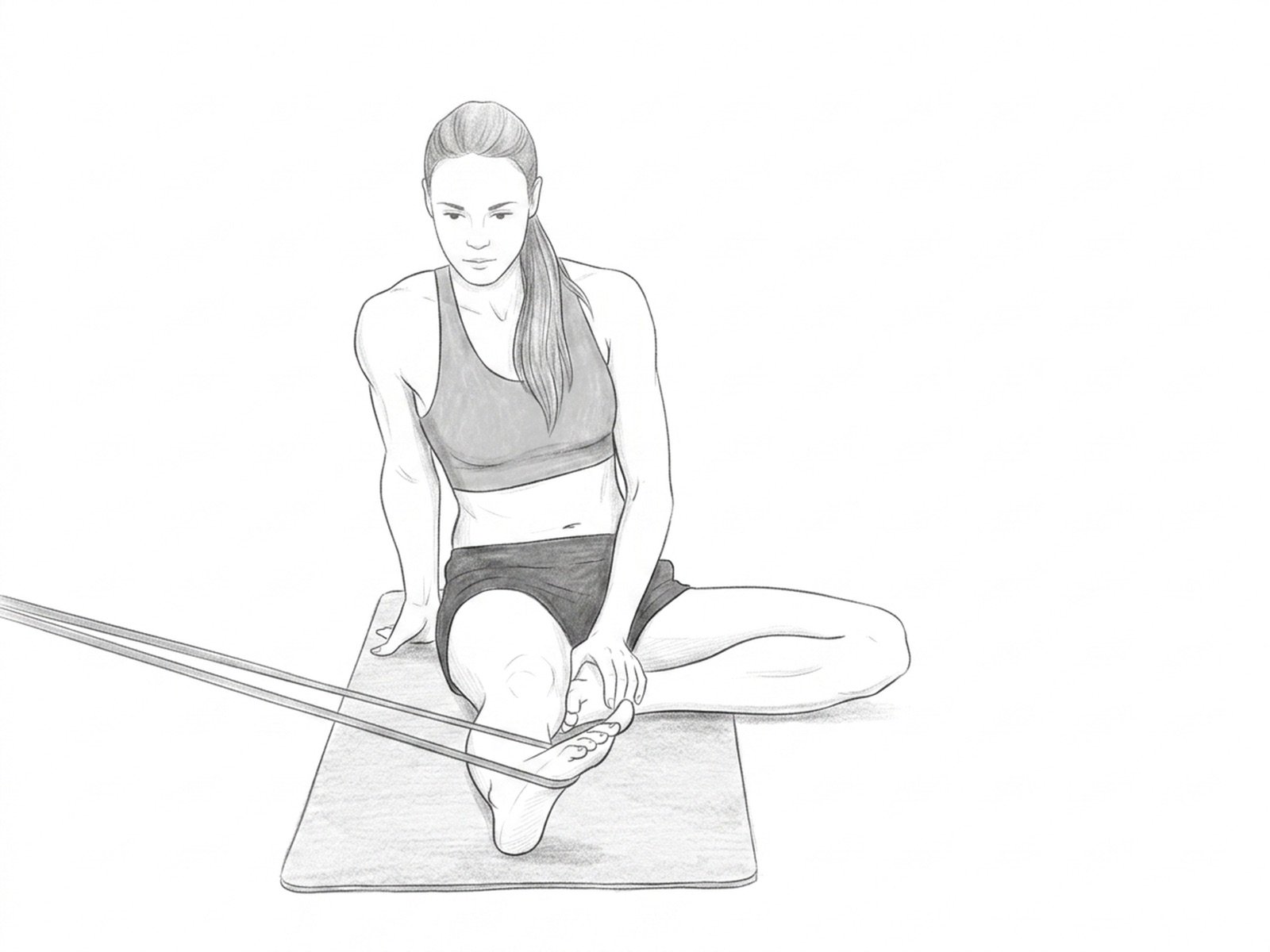
Resisted Ankle Eversion and Inversion with Band
Specific strengthening of the peroneals (evertors) and tibialis posterior (invertor) with an elastic band. In lateral ankle sprain, peroneal weakness is the main predictor of recurrence; in PTTD, tibialis-posterior weakness is the cause. The band allows selective load direction.
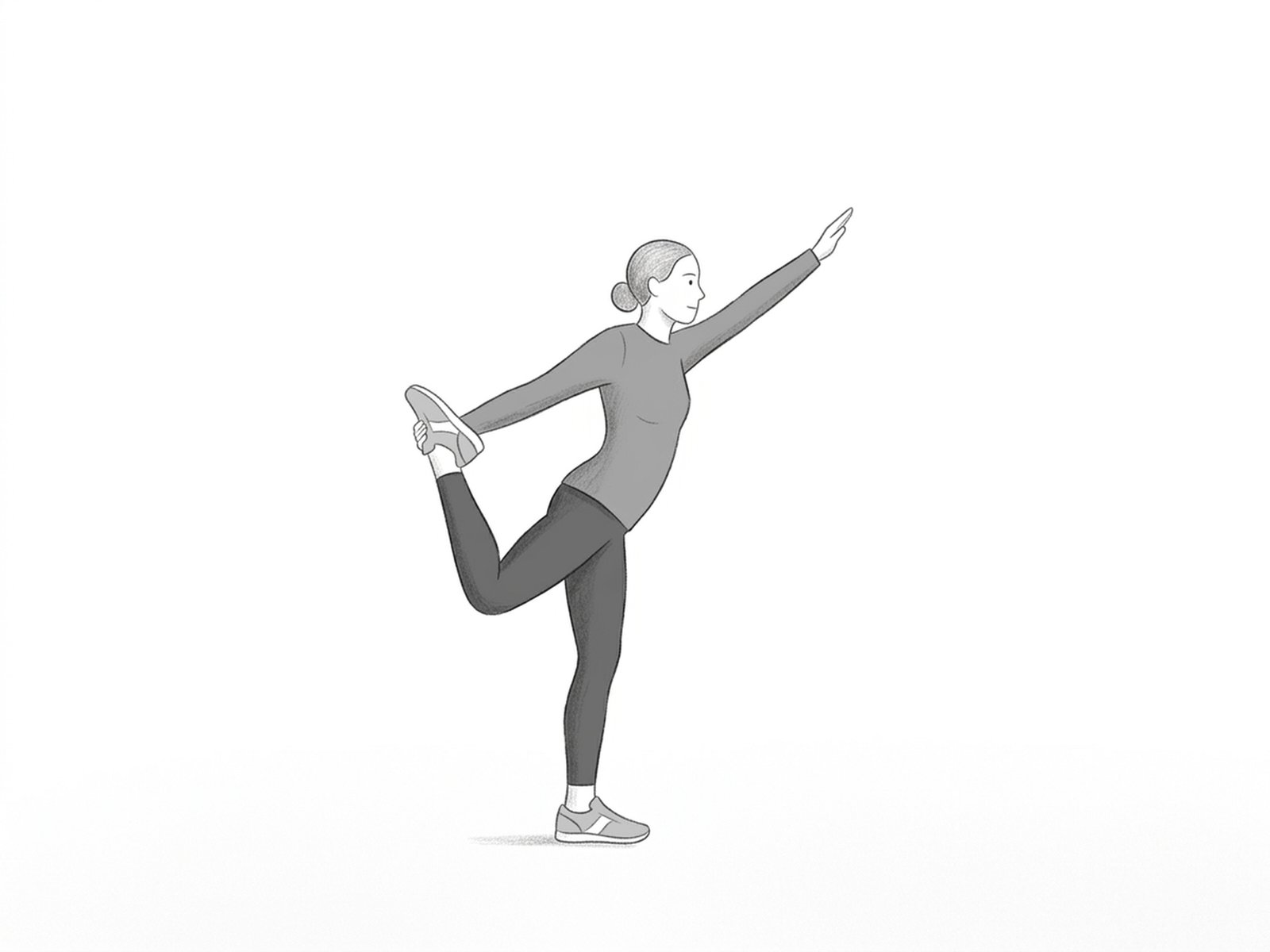
Single-Leg Balance
Essential proprioceptive training after an ankle sprain. Restores postural control and reduces recurrence risk by up to 50% (Hupperets et al. studies).
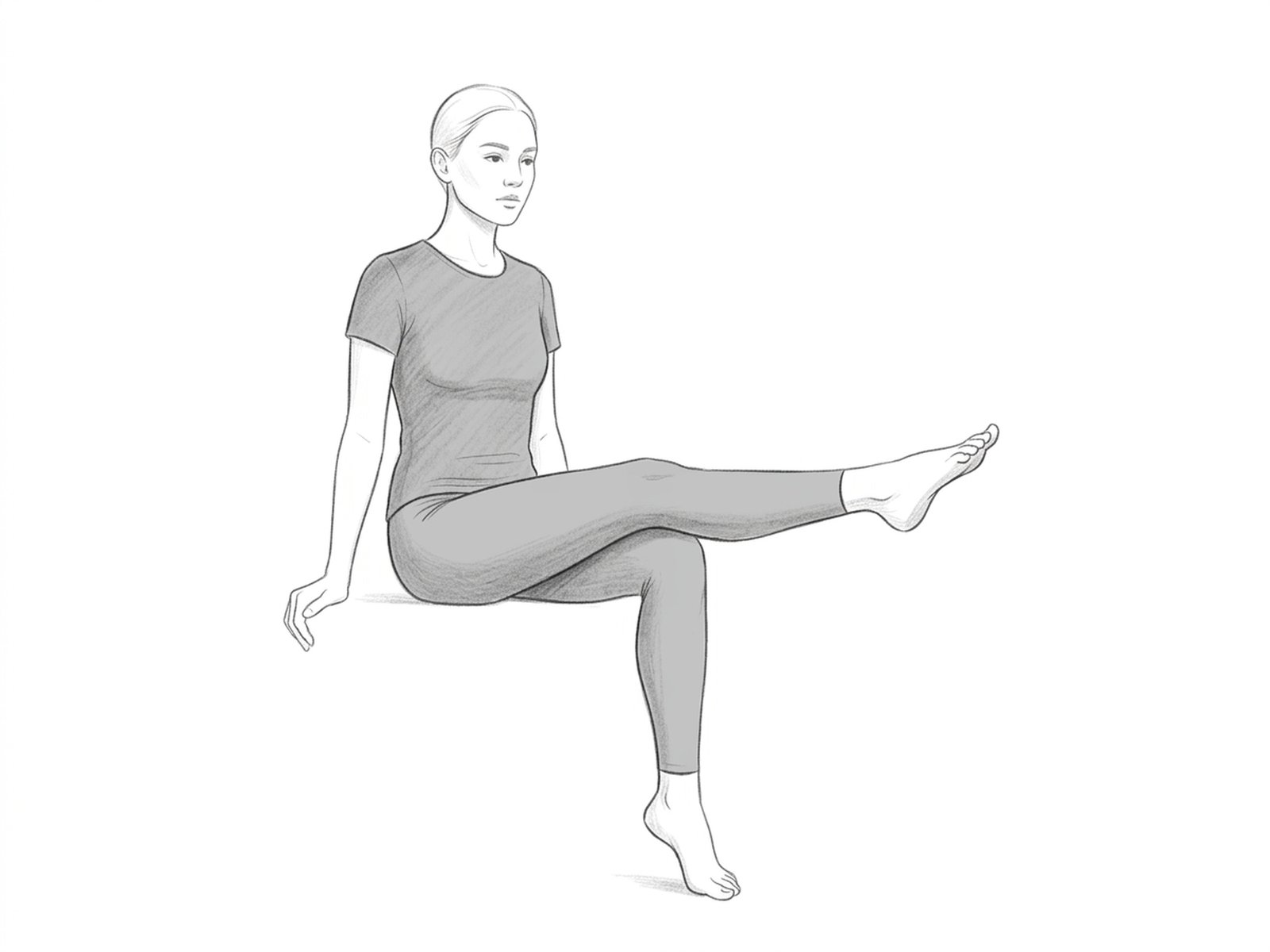
Ankle Alphabet
Multi-directional active ankle mobilization by tracing letters in the air with the foot. Restores full range of motion after a sprain in an engaging, comprehensive way — each letter requires a different combination of joint motions.