Influence of acupuncture on the pregnancy rate in patients who undergo assisted reproduction therapy
Paulus et al. · Fertility and Sterility · 2002
Evidence Level
MODERATEOBJECTIVE
Evaluate whether acupuncture before and after embryo transfer increases the pregnancy rate in IVF/ICSI
WHO
160 healthy women aged 21-43 years undergoing IVF or ICSI with good-quality embryos
DURATION
25-minute sessions before and after embryo transfer
POINTS
PC-6, SP-8, LR-3, GV-20, ST-29 (before); ST-36, SP-6, SP-10, LI-4 (after) + auricular
🔬 Study Design
Acupuncture
n=80
Acupuncture 25 min before and after transfer
Control
n=80
Transfer without additional treatment
📊 Results in numbers
Pregnancy rate, acupuncture group
Pregnancy rate, control group
Statistical significance
Number of embryos transferred
Percentage highlights
📊 Outcome Comparison
Clinical pregnancy rate (%)
This study found that women who received acupuncture before and after embryo transfer in in vitro fertilization treatments were 62% more likely to become pregnant compared to those who did not receive acupuncture. Acupuncture was administered with needles at specific body points for just 25 minutes before and after the procedure.
Article summary
Plain-language narrative summary
This pioneering study, published in 2002 in the journal Fertility and Sterility, investigated whether acupuncture could improve success rates in assisted reproduction treatments. The German researchers conducted a randomized clinical trial with 160 healthy women, aged 21 to 43 years, who were undergoing in vitro fertilization (IVF) or intracytoplasmic sperm injection (ICSI). The methodology involved randomly dividing participants into two groups: 80 women received acupuncture 25 minutes before and after embryo transfer, while 80 women in the control group received only standard treatment. The acupuncture protocol was based on the principles of Traditional Chinese Medicine, using specific points to relax the uterus and optimize endometrial receptivity.
Before transfer, the points used were PC-6 (Neiguan), SP-8 (Diji), LR-3 (Taichong), GV-20 (Baihui), and ST-29 (Guilai). After transfer, the points were ST-36 (Zusanli), SP-6 (Sanyinjiao), SP-10 (Xuehai), and LI-4 (Hegu). Additionally, auricular needles were applied at four specific ear points. Results were impressive and statistically significant.
The acupuncture group showed a clinical pregnancy rate of 42.5% (34 of 80 women), compared to only 26.3% (21 of 80 women) in the control group, representing a difference of 16.2 percentage points (p = 0.03). This means that acupuncture increased pregnancy chances by approximately 62%. The researchers verified that there were no significant differences between groups in patient age, number of previous cycles, endometrial thickness, estradiol levels, or blood flow in the uterine arteries, confirming that the results were specifically attributable to the acupuncture intervention. From the standpoint of mechanisms of action, the authors propose several explanations based on the scientific literature.
Acupuncture stimulates muscular afferent nerve fibers, leading to increased β-endorphin concentration in the cerebrospinal fluid. The hypothalamic endorphinergic system has inhibitory effects on the vasomotor center, reducing sympathetic activity. This central mechanism, involving hypothalamic and brainstem systems, controls several important organ systems. In addition to central sympathetic inhibition by the endorphinergic system, acupuncture stimulation of sensory nerve fibers can inhibit sympathetic outflow at the spinal level.
The clinical implications of this study are considerable for reproductive medicine. The results suggest that acupuncture may be a valuable and safe tool for improving assisted reproduction outcomes, being a low-cost and minimally invasive intervention. The protocol used is relatively simple and can be easily implemented in fertility centers. However, the study has some important limitations.
The design did not include a placebo group with sham acupuncture, which leaves open the possibility of psychological or psychosomatic effects. The intervention was limited to only two sessions, differing from traditional acupuncture protocols that usually involve multiple sessions. In addition, follow-up was relatively short, focusing only on the clinical pregnancy rate at 6 weeks, without data on live birth rates or pregnancy complications.
Strengths
- 1Well-structured randomized controlled design
- 2Groups well balanced for confounding variables
- 3Acupuncture protocol based on TCM principles
- 4Statistically significant results
- 5Well-defined population with good-quality embryos
Limitations
- 1Absence of a placebo group with sham acupuncture
- 2Intervention limited to only two sessions
- 3Short follow-up without live birth data
- 4Moderate sample size for subgroups
- 5Possible uncontrolled psychological effects
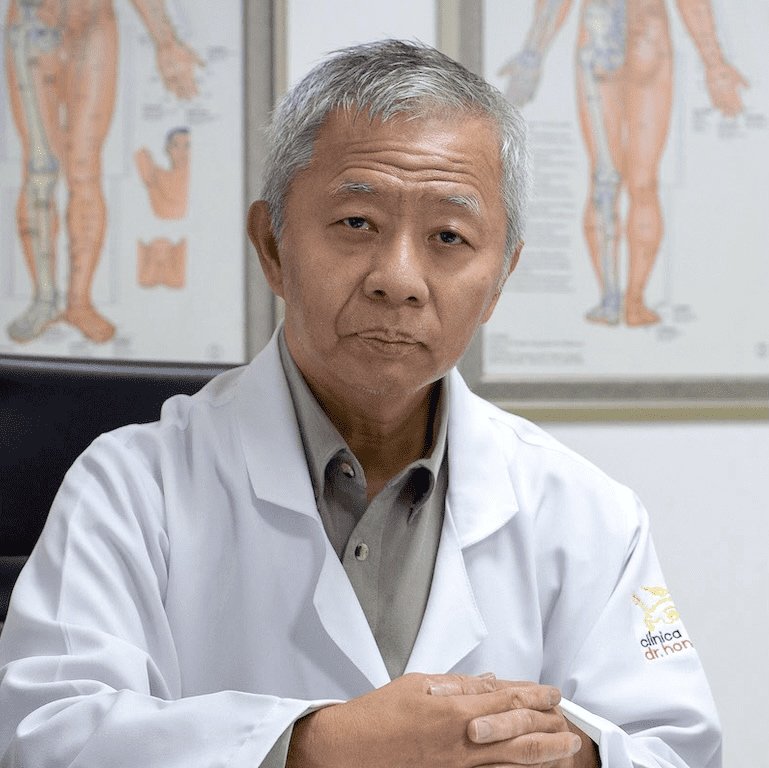
Expert Commentary
Prof. Dr. Hong Jin Pai
PhD in Sciences, University of São Paulo
▸ Clinical Relevance
The work of Paulus et al. opened a line of clinical investigation that remains productive to this day: the integration of acupuncture into assisted reproduction protocols. For the physician caring for couples in IVF or ICSI treatment, the central data point is concrete — a difference of 16.2 percentage points in clinical pregnancy rate, statistically significant, obtained with just two sessions on the day of embryo transfer. The protocol described is reproducible, the application time is compatible with the routine of a fertility center, and the safety profile of acupuncture in this perioperative window is widely established. Women aged 21-43 with good-quality embryos represent exactly the population that most often seeks complementary strategies to optimize outcomes, and this study provides them — and us — with a rational basis for clinical discussion.
▸ Notable Findings
What is most striking in this trial is not only the magnitude of the effect but the elegance of the proposed mechanism. Acupuncture stimulation of muscular afferent nerve fibers raises β-endorphin concentrations in the cerebrospinal fluid, and the hypothalamic endorphinergic system exerts an inhibitory effect on the vasomotor center — reducing sympathetic activity through both central pathways and spinal inhibition of autonomic outflow. This convergence of pathways biologically explains why points selected for uterine relaxation and optimization of endometrial receptivity — such as PC-6, LR-3, and GV-20 before transfer, and ST-36, SP-6, and LI-4 afterward — would produce more favorable conditions for implantation. The fact that the groups were comparable in endometrial thickness, estradiol levels, and uterine artery flow makes the causal attribution to the acupuncture protocol more solid than is usually seen in this literature.
▸ From My Experience
In my practice with couples in assisted reproduction, the perioperative protocol described by Paulus has been part of our routine for many years, and what we see day to day is consistent with what the study reports. I usually combine the day-of-transfer protocol with endometrial preparation that begins two to four weeks earlier, working points such as KI-3, SP-4, and GV-4 to optimize the uterine perfusion pattern — something this article did not explore but that clinical experience and subsequent studies have reinforced. The patient profile that responds best, in my observation, is one with a history of repeated implantation failure or hypertonic uterus on pre-transfer ultrasound. Highly anxious women also seem to benefit disproportionately, probably because of the autonomic component the study itself discusses. Tolerability is excellent, and in over two decades of treating this group I have never had to interrupt a session due to an adverse event. Paulus's work remains, for me, the inaugural reference of an approach that has gained consistency over time.
Indexed scientific article
This study is indexed in an international scientific database. Check your institutional access to obtain the full article.
Scientific Review

Marcus Yu Bin Pai, MD, PhD
CRM-SP: 158074 | RQE: 65523 · 65524 · 655241
PhD in Health Sciences, University of São Paulo. Board-certified in Pain Medicine, Physical Medicine and Rehabilitation, and Medical Acupuncture. Scientific review and curation of every entry in this library.
Learn more about the author →Medical disclaimer: This content is for educational purposes only and does not replace consultation, diagnosis, or treatment by a qualified professional. Some information may be assisted by artificial intelligence and is subject to inaccuracies. Always consult a physician.
Content reviewed by the medical team at CEIMEC — Integrated Centre for Chinese Medicine Studies, a reference in Medical Acupuncture for over 30 years.
Related articles
Based on this article’s categories