The role of acupuncture in the management of subfertility
Ng et al. · Fertility and Sterility · 2008
Evidence Level
MODERATEOBJECTIVE
Systematically review the efficacy of acupuncture in the treatment of subfertility in men and women
WHO
Patients with subfertility undergoing assisted reproduction treatments
DURATION
Analysis of studies from 1966 to 2006
POINTS
Various protocols — LI-4, ST-36, SP-6, GV-20, PC-6, auricular points
🔬 Study Design
IVF studies
n=1200
Acupuncture on the day of transfer
Analgesia studies
n=300
Acupuncture during oocyte retrieval
📊 Results in numbers
Improvement in IVF pregnancy rate
Odds ratio for pregnancy
Efficacy in analgesia
Adverse events
Percentage highlights
📊 Outcome Comparison
IVF pregnancy rate (%)
This study shows that acupuncture can be a valuable tool for couples facing difficulties getting pregnant. The results suggest that acupuncture performed on the day of embryo transfer can significantly increase the chances of pregnancy in in vitro fertilization treatments.
Article summary
Plain-language narrative summary
This comprehensive systematic review, led by researchers at the University of Hong Kong, examined the role of acupuncture in the treatment of subfertility, analyzing scientific evidence accumulated over four decades. The authors conducted a meticulous search across multiple medical databases, including both Western and Chinese literature, to evaluate the efficacy of acupuncture in different aspects of reproductive medicine. The methodology included analysis of randomized controlled trials, case studies, and case series, covering applications of acupuncture from ovulatory disorders to improvement of seminal parameters and optimization of in vitro fertilization outcomes. Proposed mechanisms for acupuncture efficacy include modulation of the hypothalamic-pituitary-ovarian axis through release of endogenous endorphins, alterations in uterine blood flow, reduction of inappropriate uterine motility, and decreased stress levels.
In terms of ovulatory disorders, particularly polycystic ovary syndrome, studies showed promising results, with improvements in ovulation rates after electroacupuncture treatment, although the authors acknowledge the need for more randomized studies for definitive validation. For male subfertility, the evidence proved to be more limited, with most studies being uncontrolled case reports or small-sample series. Even so, some studies demonstrated improvements in seminal parameters such as sperm motility, concentration, and morphology after acupuncture treatments. One area where acupuncture showed particular promise was in pain relief during oocyte retrieval for in vitro fertilization.
Several randomized studies demonstrated that acupuncture can be an effective alternative to conventional conscious sedation, especially for patients who cannot tolerate the side effects of traditional analgesic methods. The most significant finding of this review concerns the impact of acupuncture on in vitro fertilization outcomes. The meta-analysis of ten randomized studies revealed a statistically significant improvement in pregnancy rates when acupuncture was administered on the day of embryo transfer, with an odds ratio of 1.83. This effect was specific to the timing of acupuncture — when applied only on the day of oocyte retrieval, no significant benefits in pregnancy rates were observed.
The safety of acupuncture was well documented, with serious adverse events being extremely rare when performed by trained professionals with disposable needles. The most common side effects included mild pain at the needle site, fatigue, and minimal bleeding, occurring in 7-11% of cases. The review also highlighted significant variations in the acupuncture protocols used across different studies, including point selection, stimulation techniques, and treatment duration, which may explain some inconsistencies in the results. Identified limitations include heterogeneity in study designs, difficulties in establishing adequate placebo controls due to the nature of the intervention, and variations in acupuncturist experience.
The authors conclude that, although acupuncture has gained increasing popularity in the treatment of subfertility, its efficacy remains controversial in some areas. The most robust evidence supports the use of acupuncture as an adjuvant to in vitro fertilization protocols, particularly when applied on the day of embryo transfer, and as an alternative for pain relief during procedures. For future clinical application, the researchers recommend more rigorously controlled studies, standardization of treatment protocols, and more in-depth investigations of the underlying mechanisms of action.
Strengths
- 1Comprehensive review including Chinese and Western literature
- 2Meta-analysis of multiple randomized trials
- 3Analysis of different aspects of subfertility
- 4Systematic evaluation of safety and adverse events
Limitations
- 1Significant heterogeneity among acupuncture protocols
- 2Methodological difficulties in acupuncture studies
- 3Limited evidence for male subfertility
- 4Variation in the quality of included studies
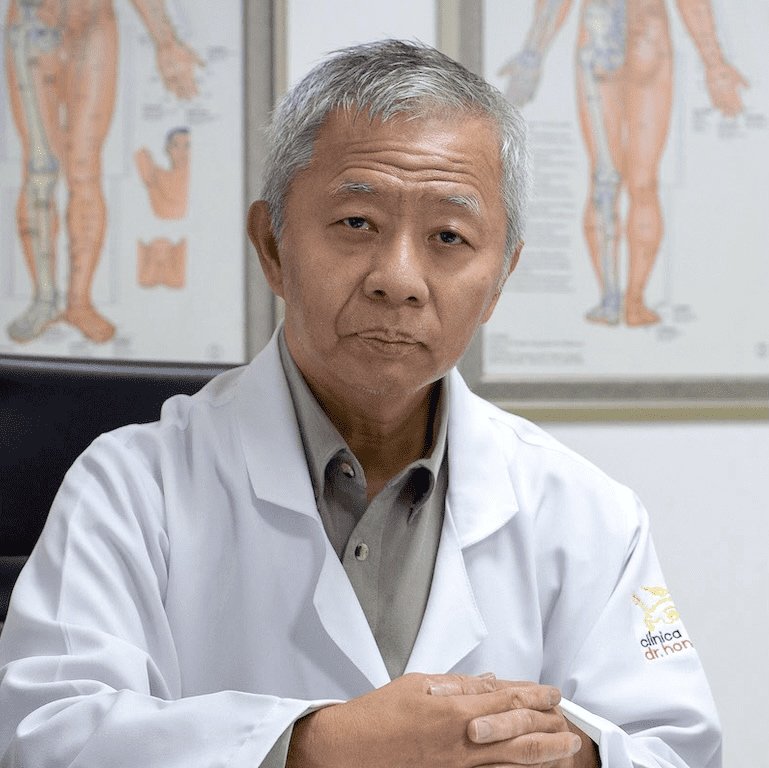
Expert Commentary
Prof. Dr. Hong Jin Pai
PhD in Sciences, University of São Paulo
▸ Clinical Relevance
Subfertility affects approximately one in six couples of reproductive age, and the integration of complementary interventions into assisted reproduction cycles has become part of contemporary clinical reasoning at referral centers. This review, which spans forty years of scientific output across two distinct medical traditions, consolidates evidence sufficiently robust to guide decision-making in IVF protocols. The odds ratio of 1.83 for pregnancy when acupuncture is performed on the day of embryo transfer is clinically relevant for the reproductive obstetrician treating couples with recurrent implantation failure, polycystic ovary syndrome with anovulatory cycles, or patients with intolerance to conventional analgesics during oocyte retrieval. The convergence of Western findings and Chinese literature strengthens the cross-cultural applicability of this therapeutic arsenal.
▸ Notable Findings
The data point that deserves special attention is the temporal specificity of the effect: acupuncture performed on the day of embryo transfer produced an odds ratio of 1.83 for pregnancy, whereas the same intervention applied only on the day of oocyte retrieval did not demonstrate equivalent benefit on pregnancy rates. This finding suggests that the predominant mechanism is not analgesic or suppression of the hypothalamic-pituitary-ovarian axis, but probably related to modulation of uterine motility and increased endometrial blood flow during the critical implantation window — hypotheses consistent with what we know about implantation-window physiology. The safety profile, with adverse events in 7 to 11% of cases and all of mild nature, reinforces the feasibility of routine incorporation into the IVF protocol without compromising cycle tolerability.
▸ From My Experience
In my practice at the HC-FMUSP Pain Center, I have been receiving an increasing number of patients referred from assisted reproduction services specifically for acupuncture support during IVF cycles. What I consistently observe is that patients with a history of prior implantation failure and those with elevated uterine tone on pre-transfer ultrasound are the ones who most frequently report a favorable response. I usually start acupuncture support two to three weeks before transfer, with weekly endometrial-preparation sessions, and reserve the specific day-of-transfer protocol — usually points such as ST-36, SP-6, LI-4, and PC-6 — based on the protocols that emerged from the key studies in this review. For oocyte retrieval with sedation intolerance, acupuncture as adjuvant or substitute analgesia has been well accepted, with response perceived from the first preparation session. I do not indicate the technique alone as a substitute for ovulation induction in moderate to severe PCOS; the role is one of adjuvancy, not replacement of the established pharmacological arsenal.
Full original article
Read the full scientific study
Fertility and Sterility · 2008
DOI: 10.1016/j.fertnstert.2008.02.094
Access original articleScientific Review

Marcus Yu Bin Pai, MD, PhD
CRM-SP: 158074 | RQE: 65523 · 65524 · 655241
PhD in Health Sciences, University of São Paulo. Board-certified in Pain Medicine, Physical Medicine and Rehabilitation, and Medical Acupuncture. Scientific review and curation of every entry in this library.
Learn more about the author →Medical disclaimer: This content is for educational purposes only and does not replace consultation, diagnosis, or treatment by a qualified professional. Some information may be assisted by artificial intelligence and is subject to inaccuracies. Always consult a physician.
Content reviewed by the medical team at CEIMEC — Integrated Centre for Chinese Medicine Studies, a reference in Medical Acupuncture for over 30 years.
Related articles
Based on this article’s categories