Acupuncture and moxibustion for endometriosis: A systematic review and analysis
Wang et al. · Complementary Therapies in Medicine · 2023
Evidence Level
MODERATEOBJECTIVE
To evaluate the efficacy of acupuncture and moxibustion on pain symptoms and quality of life in women with endometriosis
WHO
Adolescent and premenopausal women with a diagnosis of endometriosis
DURATION
Most studies with 3 months of treatment
POINTS
CV-4 Guanyuan, CV-3 Zhongji, SP-6 Sanyinjiao, SP-10 Xuehai, CV-6 Qihai, ST-36 Zusanli
🔬 Study Design
Manual acupuncture
n=400
Manual acupuncture or combined with conventional therapy
Moxibustion
n=200
Moxibustion alone or combined
Controls
n=418
Sham acupuncture or conventional pharmacotherapy
📊 Results in numbers
Dysmenorrhea reduction (vs. sham)
Pelvic pain reduction (vs. sham)
Dyspareunia reduction (vs. sham)
Reduction in cyst size
📊 Outcome Comparison
Visual Analog Scale - Dysmenorrhea
Visual Analog Scale - Pelvic Pain
This study shows that acupuncture can help significantly reduce the pain caused by endometriosis, including menstrual cramps and pelvic pain. The findings suggest that acupuncture can be a safe and effective option to complement conventional treatment of endometriosis.
Article summary
Plain-language narrative summary
This systematic review analyzed 15 randomized clinical studies involving 1,018 women with endometriosis to evaluate the efficacy of acupuncture and moxibustion in treating the symptoms of the disease. Endometriosis is a chronic inflammatory condition that causes intense pelvic pain, dysmenorrhea (menstrual cramps), and dyspareunia (pain during sexual intercourse), significantly affecting women's quality of life.
The researchers performed a comprehensive search of nine databases through April 2022, including studies conducted mainly in China, but also in Brazil, the United States, Austria, and Australia. Most studies (11 of 15) provided treatment for three months, mainly using manual acupuncture and moxibustion. The most frequently used acupuncture points were CV-4 Guanyuan, CV-3 Zhongji, SP-6 Sanyinjiao, and SP-10 Xuehai, points traditionally associated with the female reproductive system in traditional Chinese medicine.
The results showed promising evidence for the use of acupuncture in the treatment of endometriosis. Compared with sham acupuncture (placebo), manual acupuncture produced a significant reduction in the intensity of dysmenorrhea (2.40 points on the visual analog scale), pelvic pain (2.65 points), and dyspareunia (2.88 points). In addition, acupuncture proved effective in reducing the size of ovarian cysts (mean reduction of 3.88 cm) and in improving quality of life across multiple domains assessed by the EHP-30 questionnaire, including pain, personal control, emotional well-being, and social functioning.
When used as complementary therapy to conventional treatment, acupuncture showed superior benefits to drug treatment alone. Moxibustion, a technique that applies heat to specific points, also showed efficacy in reducing menstrual pain and improving symptoms when combined with conventional medications.
In terms of safety, the studies reported fewer adverse events in the groups that received acupuncture or moxibustion compared with control groups using medications. The side effects of acupuncture were minimal, occasionally including mild dizziness, small bruises, and minor moxibustion burns — all considered expected and low-risk events.
The limitations of this review include significant diversity among studies in terms of interventions, comparators, and outcome measures, preventing robust meta-analyses. Only five studies confirmed the diagnosis of endometriosis by laparoscopy (gold standard), and few studies performed long-term follow-up to assess the durability of effects.
The clinical implications suggest that acupuncture can be considered a safe complementary therapeutic option for women with endometriosis, especially those who experience significant side effects with conventional hormonal treatments or who seek integrated approaches to pain management. However, more high-quality studies with confirmed laparoscopic diagnosis and long-term follow-up are needed to establish definitive clinical guidelines on the use of acupuncture in endometriosis.
Strengths
- 1Comprehensive search in nine databases with rigorous inclusion criteria
- 2Detailed safety analysis showing low risk of adverse events
- 3Evaluation of multiple outcomes including pain, quality of life, and cyst size
- 4Use of standardized tools (STRICTA, GRADE) for quality assessment
Limitations
- 1Significant heterogeneity prevented meta-analyses for most outcomes
- 2Only five studies confirmed diagnosis by laparoscopy
- 3Few studies with long-term follow-up
- 4Evidence limited to single studies for most comparisons
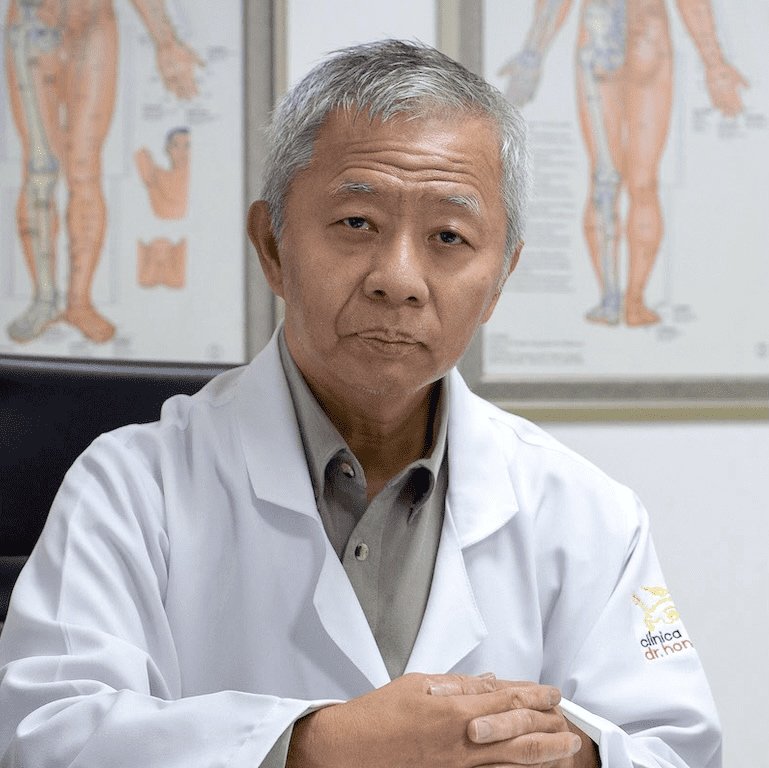
Expert Commentary
Prof. Dr. Hong Jin Pai
PhD in Sciences, University of São Paulo
▸ Clinical Relevance
Endometriosis poses a daily challenge to clinicians: women of reproductive age with chronic pelvic pain, disabling dysmenorrhea, and dyspareunia who frequently do not tolerate or adequately respond to long-term hormonal therapy. This review, gathering 1,018 patients across 15 randomized trials, positions acupuncture as a therapeutic adjuvant with measurable analgesic effect — reductions of 2.40 points on the VAS for dysmenorrhea, 2.65 for pelvic pain, and 2.88 for dyspareunia, all against active sham, which is a demanding comparator. The mean reduction of 3.88 cm in ovarian cyst size broadens the discussion beyond symptoms. The favorable safety profile makes acupuncture especially relevant for patients who refuse or discontinue GnRH analogs, progestins, or continuous contraceptives because of intolerance, opening concrete space for integration into the multidisciplinary protocol for chronic pelvic pain.
▸ Notable Findings
The most noteworthy finding is not the pain reduction itself but its consistency against sham acupuncture — a comparator that already carries a substantial non-specific effect. Sustaining statistically meaningful differences against this background indicates that acupuncture's effect in endometriosis goes beyond the placebo component. The reduction in ovarian cyst size is a finding that exceeds what is expected from a purely analgesic intervention and suggests immunomodulatory and anti-inflammatory mechanisms that experimental literature has progressively supported — reduction in prostaglandins, modulation of pro-inflammatory cytokines, and regulation of the hypothalamic-pituitary-ovarian axis. The predominantly used points — CV-4, CV-3, SP-6, and SP-10 — mirror the classic TCM reasoning for the pattern of blood stasis with cold in the Uterus, but they also converge with lower thoracolumbar and sacral dermatomes relevant to the neuroanatomy of pelvic pain. Improvement across multiple EHP-30 domains, including social functioning and emotional well-being, reinforces that the gain is genuinely functional.
▸ From My Experience
In my practice with endometriosis patients at the Pain Center of HC-FMUSP, acupuncture usually fills the space that pharmacotherapy leaves uncovered — whether due to hormonal intolerance, desire for pregnancy, or the emotional dimension of chronic pain that the gynecologist refers without solution. I usually observe a perceptible response from the third or fourth session, notably in the intensity of cramps in the subsequent cycle. For stabilization, I work with series of 8 to 12 sessions, followed by monthly or perimenstrual maintenance. The protocol I use favors SP-6, SP-10, CV-4, ST-36, and sacral points such as BL-32, combining needling with indirect moxibustion in the hypogastric region in cases with a clear cold syndrome — exactly the pattern most represented in this review. I invariably combine this with guidance on regular physical exercise and, when there is myofascial comorbidity, with treatment of trigger points in the pelvic floor and iliopsoas. The profile that responds best is the young patient with a predominantly cyclical pain pattern and without extensive surgical anatomical compromise.
Full original article
Read the full scientific study
Complementary Therapies in Medicine · 2023
DOI: 10.1016/j.ctim.2023.102963
Access original articleScientific Review

Marcus Yu Bin Pai, MD, PhD
CRM-SP: 158074 | RQE: 65523 · 65524 · 655241
PhD in Health Sciences, University of São Paulo. Board-certified in Pain Medicine, Physical Medicine and Rehabilitation, and Medical Acupuncture. Scientific review and curation of every entry in this library.
Learn more about the author →Medical disclaimer: This content is for educational purposes only and does not replace consultation, diagnosis, or treatment by a qualified professional. Some information may be assisted by artificial intelligence and is subject to inaccuracies. Always consult a physician.
Content reviewed by the medical team at CEIMEC — Integrated Centre for Chinese Medicine Studies, a reference in Medical Acupuncture for over 30 years.
Related articles
Based on this article’s categories