Acupuncture biomechanics: From mechanical stimulation to biological effects
LIANG et al. · World Journal of Acupuncture – Moxibustion · 2026
Evidence Level
MODERATEOBJECTIVE
Establish acupuncture biomechanics as a new interdisciplinary discipline that explains how mechanical stimuli are transformed into biological effects
WHO
Comprehensive review of studies in biomechanics, cellular mechanotransduction, and acupuncture
DURATION
Theoretical framework based on decades of accumulated research
POINTS
Focus on universal mechanisms of mechanical stimulation at any acupoint
🔬 Study Design
Theoretical Review
n=0
Proposal of an interdisciplinary framework
📊 Results in numbers
Identified mechanosensitive channels
Integrated disciplines
Quantifiable mechanical parameters
📊 Outcome Comparison
Approaches in acupuncture research
This study proposes a new way to understand how acupuncture works: through precise analysis of the mechanical forces that the needle generates in tissues. This can lead to more precise and personalized treatments, where the practitioner will know exactly how much force to apply to obtain the best result for each patient.
Article summary
Plain-language narrative summary
This article presents a revolutionary proposal for the field of acupuncture: the establishment of acupuncture biomechanics as a new interdisciplinary scientific discipline. The authors argue that, despite thousands of years of proven clinical efficacy of acupuncture, scientific understanding of its mechanisms remains incomplete, primarily due to the lack of adequate characterization of the initial mechanical stimuli generated during the procedure. Traditional research in acupuncture has focused on downstream biological effects — such as changes in neurotransmitters, immune responses, and activation of neural pathways — without systematically quantifying the mechanical stimuli that initiate the entire cascade of effects. This methodological gap has limited the ability to establish precise dose-effect relationships and standardize treatment protocols.
The acupuncture biomechanics proposed by the authors focuses on the quantitative characterization of how the physical parameters of manipulation — needle depth, direction, frequency, amplitude, and retention time — generate specific stress and deformation fields in living tissues. The theoretical framework integrates three fundamental components: the generation and transmission of mechanical signals in vivo, the mechanisms of mechanobiological transduction at the cellular and molecular level, and the principles of systemic functional integration. From a methodological standpoint, the proposal includes advanced characterization techniques, such as instrumented needles with sensors, three-dimensional motion capture, and computational modeling to deconstruct and parameterize traditional manipulations such as lifting-thrusting and twisting. The authors highlight important findings that support this approach, including the identification of mechanosensitive ion channels (TRPV1, ASIC3, Piezo2) as key molecular receptors that sense the mechanical forces of acupuncture.
Studies with elastographic ultrasound revealed that the fascial network serves as an effective conductor for the transmission of mechanical signals, while molecular biology research has shown that calcium influx and ATP release function as bridges connecting the activation of non-neural cells to neural signal transmission. Clinical validation of this approach would involve multicenter studies with standardized collection of mechanical parameters, integration of neuroimaging and multi-omics analyses, and the development of clinical decision support systems based on quantified mechanical parameters. The authors propose that this approach can resolve persistent problems in acupuncture research, such as inconsistency of results across studies, difficulty replicating protocols, and the lack of a common scientific language to describe acupuncture interventions. The establishment of acupuncture biomechanics as a discipline would offer an innovative mechanical perspective on the mechanisms underlying acupuncture effects, catalyzing theoretical advances that modernize practice and pave the way for transformative theoretical frameworks in medicine.
Strengths
- 1Innovative proposal of a unified interdisciplinary framework
- 2Robust integration of physics, biology, and traditional medicine
- 3Systematic approach to parameter quantification
- 4Potential for global standardization and reproducibility
Limitations
- 1Theoretical nature without direct experimental validation
- 2Complexity of large-scale clinical implementation
- 3Need for advanced technologies not widely available
- 4Lack of direct evidence of superiority over current methods
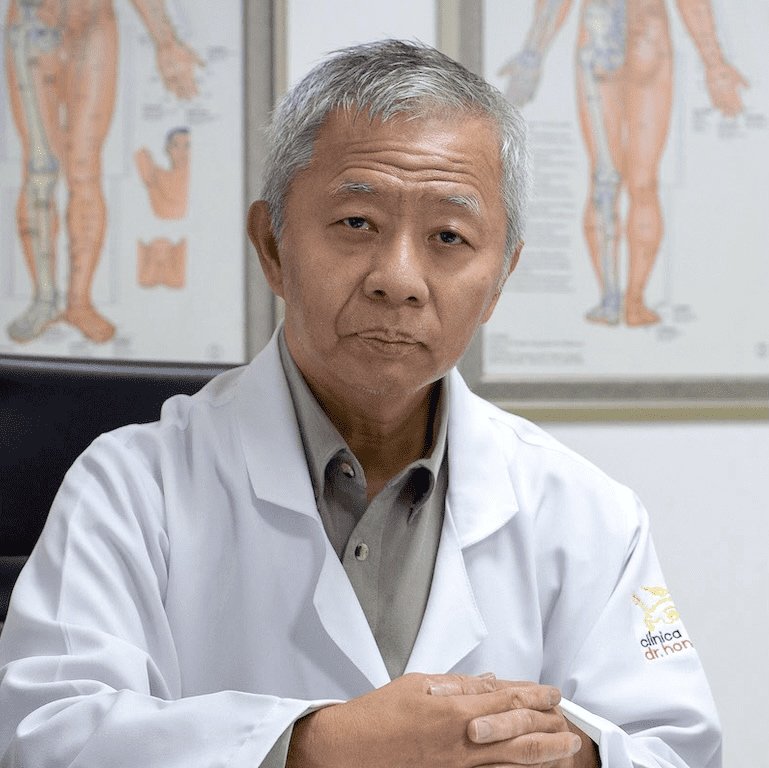
Expert Commentary
Prof. Dr. Hong Jin Pai
PhD in Sciences, University of São Paulo
▸ Clinical Relevance
Liang et al.'s proposal to formalize acupuncture biomechanics as an independent scientific discipline responds to a longstanding and legitimate demand from the medical community: to establish measurable dose-effect relationships for the stimuli generated during the procedure. In daily clinical practice, technical variability between operators — insertion depth, frequency and amplitude of lifting-thrusting manipulation, torque intensity in the twisting movement — is handled intuitively, transmitted through tradition and personal experience. The proposed framework, by quantifying force, displacement, frequency, and torque as independent and traceable parameters, paves the way for building reproducible protocols comparable across centers. This is particularly relevant for populations with conditions sensitive to stimulation dose, such as elderly patients, those with fibromyalgia, or those with central hypersensitivity, where calibrating the intensity of the mechanical stimulus may determine the difference between therapeutic response and symptom exacerbation.
▸ Notable Findings
The identification of TRPV1, ASIC3, and Piezo2 as the main mechanosensitive ion channels activated by the needle represents a qualitative leap in molecular understanding of acupuncture. These channels are not merely passive signal conductors: Piezo2, in particular, is recognized as the main sensor of fine touch and proprioception in mammals, and its activation by the tissue deformation field generated by the needle elegantly connects the De Qi sensation to contemporary sensory physiology. Equally notable is the evidence that the fascial network functions as an active conductor for mechanical transmission — which recontextualizes the classical concept of meridians within a concrete and measurable anatomical architecture. The proposition that calcium influx and ATP release serve as bridges between non-neural cells and systemic neural transmission provides a biochemical substrate for effects clinically observed at points distant from the puncture site.
▸ From My Experience
In my practice at the HC-FMUSP Pain Center, the issue of technical standardization is a permanent challenge, especially when integrating residents and supervising multicenter protocols. I have observed that treatment response depends critically on the quality of manipulation — patients with chronic musculoskeletal pain typically show perceptible improvement between the third and fifth session when manipulation is adequate, but the therapeutic plateau rarely holds when the mechanical stimulus is insufficient or inconsistent between sessions. The concept of acupuncture biomechanics formalizes something we practice empirically: adjusting stimulation intensity according to tissue tone, point location, and patient response. I routinely combine acupuncture with supervised exercise programs and myofascial therapy, and I notice that patients with greater fascial tone — frequently athletes or manual workers — respond to larger-amplitude manipulations with more durable results. The profile that responds best within this mechanobiological paradigm is the patient with a predominant musculofascial component, without severe central sensitization.
Full original article
Read the full scientific study
World Journal of Acupuncture – Moxibustion · 2026
DOI: 10.1016/j.wjam.2026.03.006
Access original articleScientific Review

Marcus Yu Bin Pai, MD, PhD
CRM-SP: 158074 | RQE: 65523 · 65524 · 655241
PhD in Health Sciences, University of São Paulo. Board-certified in Pain Medicine, Physical Medicine and Rehabilitation, and Medical Acupuncture. Scientific review and curation of every entry in this library.
Learn more about the author →Medical disclaimer: This content is for educational purposes only and does not replace consultation, diagnosis, or treatment by a qualified professional. Some information may be assisted by artificial intelligence and is subject to inaccuracies. Always consult a physician.
Content reviewed by the medical team at CEIMEC — Integrated Centre for Chinese Medicine Studies, a reference in Medical Acupuncture for over 30 years.
Related articles
Based on this article’s categories