Western medical acupuncture: a definition
White et al. · Acupuncture in Medicine · 2009
Evidence Level
STRONGOBJECTIVE
Define and describe the principles of Western medical acupuncture as an adaptation of Chinese acupuncture using modern scientific knowledge
WHO
Conventional health professionals: physicians, physical therapists, and nurses
DURATION
Treatments of variable duration, from very brief to 20-30 minutes
POINTS
Classical points used as optimal sites for nervous system stimulation, with less specific focus
🔬 Study Design
Conceptual article
n=0
Theoretical definition without clinical study
📊 Results in numbers
Modalities with solid evidence
Main mechanism
Main application
📊 Outcome Comparison
Conceptual approach
This article defines a modern approach to acupuncture based on current science, without traditional Chinese concepts such as Yin/Yang. Western medical acupuncture uses knowledge of anatomy and physiology to explain how needles relieve pain and other symptoms through stimulation of the nervous system.
Article summary
Plain-language narrative summary
This seminal article presents a formal definition of Western medical acupuncture (WMA), representing an important milestone in the evolution of acupuncture practice. The authors, led by Adrian White and the editorial board of the journal Acupuncture in Medicine, propose an approach that adapts traditional Chinese acupuncture to modern scientific knowledge of anatomy, physiology, pathology, and evidence-based medicine. WMA differs fundamentally from traditional Chinese acupuncture by abandoning concepts such as Yin/Yang and qi (氣) circulation, positioning itself as part of conventional medicine rather than a complete alternative medical system. The historical development of WMA dates back to the 19th century, when British physicians began applying needles at points of maximum tenderness to relieve musculoskeletal pain.
The modern impulse owes much to Felix Mann, who in the 1970s declared that "acupuncture points and meridians, in the traditional sense, do not exist," resonating with practitioners who observed clinical benefits but questioned traditional explanations. The mechanisms of action of WMA are well grounded in neurophysiology. Sensory nerve stimulation constitutes the main mechanism, with overlap with the effects of transcutaneous electrical stimulation and spinal cord stimulation. Local effects include antidromic axonal reflexes that release neuropeptides such as calcitonin gene-related peptide, increasing local nutritive blood flow.
At the spinal and brain level, there is solid evidence that acupuncture promotes the release of opioid peptides and serotonin. Clinical effects on musculoskeletal pain are explained by inhibition of nociceptive pathways in the spinal dorsal horn, activation of descending inhibitory pathways, and possible local or segmental effects on myofascial trigger points. Functional magnetic resonance imaging and positron emission tomography studies demonstrate effects on several brain centers involved in pain control, particularly limbic structures including the insula. WMA practice occurs predominantly through physicians, physical therapists, nurses, and other health professionals working in the Western health system, mainly in primary care, but also in rheumatology, orthopedics, and pain clinics.
The most widespread application is in pain relief, especially musculoskeletal pain, but also other forms of chronic pain such as neuralgia and cancer pain. Less frequently it is used to suppress procedural and postoperative pain or nausea, although it has proven effective in these situations. Current clinical evidence mainly supports its efficacy (compared with placebo) in the relief of nausea and various types of pain. WMA treatment follows a conventional medical examination, appropriate investigations, and diagnosis confirming that the symptoms are suitable for acupuncture treatment.
Needles are inserted and stimulated to achieve the necessary physiological effect, which may be local or segmentally related to the presenting condition. WMA practitioners generally pay less attention than classical acupuncturists to the choice of one specific point over another, although they generally choose classical points as the best sites for stimulating the nervous system. Implications for acupuncture research include the need for more information on the appropriate "dose" of stimulation for particular conditions and the recognition that sham acupuncture probably represents a less effective form of therapeutic needling rather than an inert placebo. Systematic reviews demonstrate that acupuncture is significantly superior to sham for nausea, low back pain, postoperative pain, knee pain, and tension headache.
Limitations include the need for more clinical trials and the fact that treatment in many clinical areas still relies on clinical experience due to insufficient evidence.
Strengths
- 1Clear and scientific definition of Western medical acupuncture
- 2Well-grounded neurophysiological basis
- 3Abandonment of non-scientific concepts while maintaining clinical efficacy
- 4Integration with evidence-based medicine
Limitations
- 1Data on appropriate dosing for different conditions are still lacking
- 2Methodological difficulties in placebo-controlled studies
- 3Many clinical areas still depend on empirical experience
- 4Need for more rigorous clinical trials
Expert Commentary
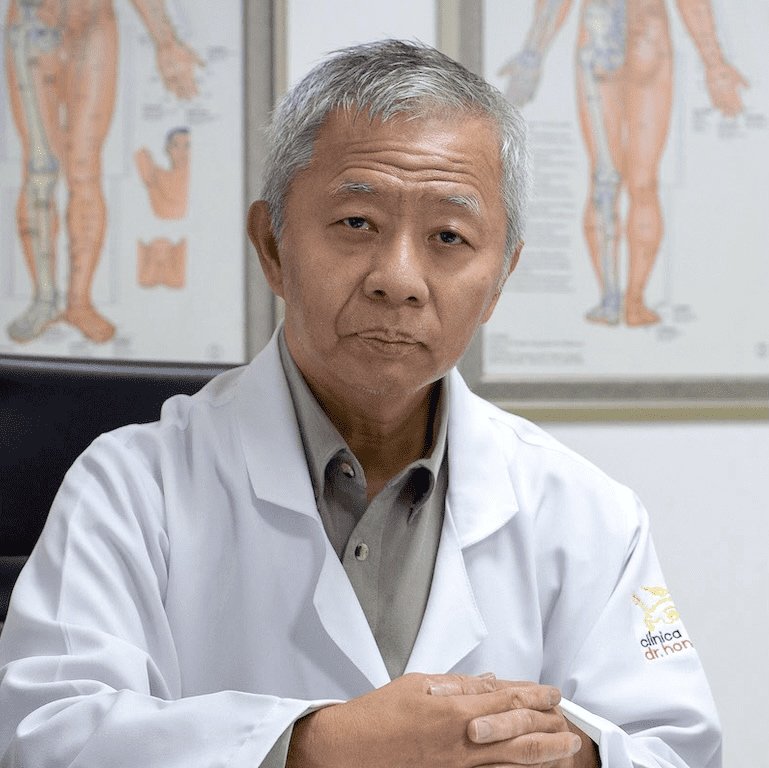
Prof. Dr. Hong Jin Pai
PhD in Sciences, University of São Paulo
▸ Clinical Relevance
The formal definition proposed by White and colleagues represents an inflection point in the trajectory of acupuncture within Western medicine. By anchoring practice in neurophysiology, anatomy, and pathology, Western medical acupuncture comes to engage directly with conventional clinical reasoning, facilitating its integration into pain, rheumatology, and orthopedic services. The physician who masters this framework can justify acupuncture interventions in terms of inhibition of nociceptive pathways in the dorsal horn, activation of descending inhibitory pathways, and release of endogenous opioid peptides — language that peers in other specialties understand and respect. In daily practice, this means that referring a patient with chronic musculoskeletal pain for acupuncture stops being interpreted as an alternative resource and becomes recognized as a neurobiologically grounded intervention, suitable for inclusion in multidisciplinary protocols with the same logic as other interventional procedures.
▸ Notable Findings
The most notable aspect of this article is not a numerical result, but an epistemological reorientation: the demonstration that abandoning qi (氣) and meridians does not imply loss of clinical efficacy — it implies, on the contrary, gain in scientific intelligibility. The mechanistic convergence among acupuncture, transcutaneous electrical stimulation, and spinal cord stimulation opens an important perspective: we are dealing with the same family of interventions that modulate the nervous system through distinct pathways, and acupuncture occupies a specific niche in this spectrum. The functional neuroimaging findings — with differential activation of limbic structures, including the insula — corroborate that the analgesic effect is not nonspecifically cortical, but involves circuits relevant to the affective-emotional processing of pain. The observation that sham probably represents less intense therapeutic needling, and not inert placebo, recontextualizes the entire comparative literature and explains effect magnitudes frequently underestimated in clinical trials.
▸ From My Experience
In my practice at the HC-FMUSP Pain Center, the transition from the traditional framework to Western medical acupuncture has been gradual and clinically productive. I have observed that patients with chronic musculoskeletal pain — low back pain, myofascial pain syndrome, knee osteoarthritis — usually show perceptible response between the third and fifth session, and that the therapeutic plateau, with stabilized function and quality of life, is generally consolidated between the eighth and twelfth sessions. From that point on, we work with monthly or bimonthly maintenance sessions, depending on the residual pain burden. We routinely combine with physical therapy and supervised exercise, since acupuncture reduces the pain barrier that previously prevented the patient from engaging in rehabilitation. The best-response profile, in my experience, is the patient with predominantly nociceptive pain and moderate central sensitization — when there is pure and intense neuropathic involvement, results are less consistent and I usually combine with adjuvant medication. The conceptual clarity offered by this article greatly facilitated communication with colleagues from other specialties and the inclusion of acupuncture in institutional protocols.
Full original article
Read the full scientific study
Acupuncture in Medicine · 2009
DOI: 10.1136/aim.2008.000372
Access original articleScientific Review

Marcus Yu Bin Pai, MD, PhD
CRM-SP: 158074 | RQE: 65523 · 65524 · 655241
PhD in Health Sciences, University of São Paulo. Board-certified in Pain Medicine, Physical Medicine and Rehabilitation, and Medical Acupuncture. Scientific review and curation of every entry in this library.
Learn more about the author →Medical disclaimer: This content is for educational purposes only and does not replace consultation, diagnosis, or treatment by a qualified professional. Some information may be assisted by artificial intelligence and is subject to inaccuracies. Always consult a physician.
Content reviewed by the medical team at CEIMEC — Integrated Centre for Chinese Medicine Studies, a reference in Medical Acupuncture for over 30 years.
Related articles
Based on this article’s categories