Acupuncture to ensure high-quality embryos in women undergoing in vitro fertilization: A systematic review and meta-analysis
Wang et al. · Journal of Integrative Medicine · 2026
Evidence Level
MODERATEOBJECTIVE
To assess the efficacy of acupuncture in improving oocyte and embryo quality in women undergoing IVF
WHO
Infertile women undergoing IVF with controlled ovarian stimulation
DURATION
Ranged from <12 to ≥36 acupuncture sessions of 20-30 minutes each
POINTS
Mainly SP-6 (Sanyinjiao), CV-4 (Guanyuan) and ST-29 (Guilai)
🔬 Study Design
Acupuncture + IVF
n=753
IVF with manual acupuncture or electroacupuncture
Control
n=753
IVF without acupuncture or with placebo acupuncture
📊 Results in numbers
Improvement in high-quality embryo rate
Improvement in fertilization rate
Improvement in high-quality oocyte rate
Increase in oocytes retrieved (FSH ≥25)
Percentage highlights
📊 Outcome Comparison
High-Quality Embryo Rate
This study shows that acupuncture may significantly improve embryo quality in in vitro fertilization treatments. The benefits are greater for women with diminished ovarian reserve, and it is a safe and cost-effective treatment that may increase the chances of IVF success.
Article summary
Plain-language narrative summary
This systematic review and meta-analysis represents the first comprehensive study focused specifically on the impact of acupuncture on oocyte and embryo quality during in vitro fertilization (IVF). Investigators analyzed 18 randomized controlled trials involving 1,506 infertile women undergoing controlled ovarian stimulation.
The methodology was rigorous, following PRISMA guidelines and including searches in eight international databases. The included studies compared IVF with acupuncture (manual or electroacupuncture) versus IVF alone or with placebo acupuncture. The most frequently used acupuncture points included SP-6 (Sanyinjiao), CV-4 (Guanyuan), and ST-29 (Guilai), known in traditional Chinese medicine for nourishing blood, strengthening the kidneys, and regulating the uterus.
The main results demonstrated that acupuncture significantly improved the high-quality embryo rate by 76% (OR=1.76, 95% CI 1.30-2.39), with moderate-certainty evidence. The fertilization rate also increased by 47% (OR=1.47, 95% CI 1.19-1.82), while the high-quality oocyte rate improved by 139% (OR=2.39, 95% CI 1.42-4.02), although this latter result has low-certainty evidence due to heterogeneity.
One of the most important findings was the identification of two fundamental principles for optimizing acupuncture treatment. First, the patient-stratified effect: the increase in number of oocytes retrieved was exclusive to women with elevated FSH levels (≥25 mIU/mL), indicating severely compromised ovarian reserve. Second, outcome-dependent dosing: embryo quality benefited from short courses (5-8 sessions), whereas oocyte yield required longer regimens (12-24 sessions).
Subgroup analysis revealed that older women (≥35 years) with diminished ovarian reserve obtained the greatest benefits, but when adjusted for FSH levels, chronological age was not the determining factor. This suggests that functional ovarian reserve, not age per se, is the primary predictor of treatment response.
From a mechanistic standpoint, acupuncture appears to modulate the hypothalamic-pituitary-ovarian axis, improve ovarian blood flow, reduce oxidative stress, and regulate gonadotropic hormone release. These effects create a more favorable microenvironment for folliculogenesis and high-quality embryo development.
The clinical implications are significant. For patients with infertility, especially those with diminished ovarian function, acupuncture offers a safe, non-toxic, and relatively cost-effective adjuvant therapeutic option. Compared with increasing gonadotropin doses or use of growth hormone, acupuncture has lower cost and no significant side effects.
Limitations include risk of bias due to insufficient reporting of allocation concealment in many studies, clinical heterogeneity in acupuncture techniques and electroacupuncture parameters, and limited number of studies for some outcomes such as high-quality oocyte rate. The lack of standardization in the reporting of some outcomes also affected the ability to pool data.
This study establishes acupuncture as effective adjuvant therapy to improve embryo quality in assisted reproductive technology, moving beyond a one-size-fits-all approach toward personalized treatment protocols based on precise patient stratification.
Strengths
- 1First meta-analysis focused specifically on oocyte and embryo quality
- 2Identification of differential dosing principles (quality vs quantity)
- 3Demonstration of stratified effect by ovarian reserve
- 4Rigorous methodology following PRISMA guidelines
- 5Comprehensive subgroup analysis exploring effect modifiers
Limitations
- 1Risk of bias due to insufficient reporting of allocation concealment
- 2Clinical heterogeneity in acupuncture techniques
- 3Limited number of studies for some outcomes
- 4Lack of standardization in outcome reporting
- 5Absence of placebo acupuncture in some control groups
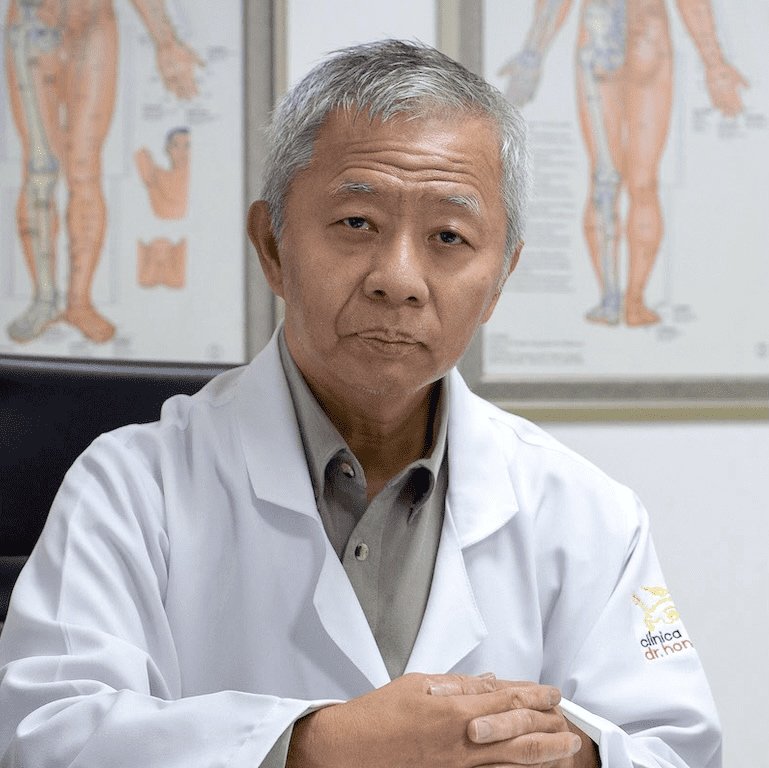
Expert Commentary
Prof. Dr. Hong Jin Pai
PhD in Sciences, University of São Paulo
▸ Clinical Relevance
Infertility due to ovarian factor, especially in women with compromised reserve, represents one of the most challenging scenarios in reproductive medicine. This meta-analysis, pooling 1,506 patients across 18 randomized clinical trials, fills a relevant gap by focusing not on pregnancy rates — a widely studied outcome — but on oocyte and embryo quality, which is the primary determinant of IVF success. The 76% increase in high-quality embryo rate and 47% increase in fertilization rate position acupuncture as an adjuvant of real value for assisted reproduction clinics. The most clinically actionable finding is the stratified effect: women with FSH ≥25 mIU/mL — a population that frequently faces cycle cancellation and restricted therapeutic options — obtained a higher number of retrieved oocytes, precisely where conventional alternatives, such as increasing gonadotropins or adding growth hormone, typically present high cost and inconsistent response.
▸ Notable Findings
The most sophisticated finding of this review is the identification of two differentiated dosing principles depending on the targeted outcome. For embryo quality, short courses of 5 to 8 sessions proved sufficient; for increasing oocyte yield, regimens of 12 to 24 sessions were necessary. This dispels the notion that 'more acupuncture is always better' and demands prescriptive rationality. Equally notable is the dissociation between chronological age and therapeutic response: when adjusted for FSH, age per se ceased to be the dominant predictor, with functional ovarian reserve being the true effect modifier. From a mechanistic standpoint, modulation of the hypothalamic-pituitary-ovarian axis, improvement of ovarian blood flow, and reduction of oxidative stress converge toward a more favorable follicular microenvironment — findings that align with what the neurophysiological literature on acupuncture has been consolidating over the last decade.
▸ From My Experience
In my practice, I have been following women in IVF protocols for more than two decades, and the pattern I consistently observe is a perceptible response starting from the third or fourth session, with subjective improvement in well-being and, on serial examinations, follicles with more homogeneous development. For patients with diminished ovarian reserve — the group that most concerns me clinically — I typically initiate acupuncture between 30 and 60 days before ovarian stimulation, associating points such as SP-6, CV-4, KI-3, and ST-36, exactly the repertoire identified in this review. I routinely combine this with guidance on moderate physical activity and, when indicated, with coenzyme Q10 supplementation, which also acts on oocyte mitochondrial quality. The patient profile that responds best, in my experience, is the one with borderline-to-elevated FSH but still with some antral follicular reserve — the patient who is 'not an ideal candidate' but has not yet reached ovarian failure. For patients already in amenorrhea due to established premature ovarian failure, I tend to be more conservative in expectations and transparent with the reproduction team.
Full original article
Read the full scientific study
Journal of Integrative Medicine · 2026
DOI: 10.1016/j.joim.2026.03.002
Access original articleScientific Review

Marcus Yu Bin Pai, MD, PhD
CRM-SP: 158074 | RQE: 65523 · 65524 · 655241
PhD in Health Sciences, University of São Paulo. Board-certified in Pain Medicine, Physical Medicine and Rehabilitation, and Medical Acupuncture. Scientific review and curation of every entry in this library.
Learn more about the author →Medical disclaimer: This content is for educational purposes only and does not replace consultation, diagnosis, or treatment by a qualified professional. Some information may be assisted by artificial intelligence and is subject to inaccuracies. Always consult a physician.
Content reviewed by the medical team at CEIMEC — Integrated Centre for Chinese Medicine Studies, a reference in Medical Acupuncture for over 30 years.
Related articles
Based on this article’s categories