Effects of ear acupuncture combined with cupping therapy on severity and threshold of chronic back pain and physical disability: A randomized clinical trial
Moura et al. · Journal of Traditional and Complementary Medicine · 2022
Evidence Level
MODERATEOBJECTIVE
To compare the effects of auricular acupuncture alone versus combined with cupping therapy in the treatment of chronic back pain
WHO
182 adults aged 18-70 years with chronic back pain for at least 3 months
DURATION
5 weekly sessions over 6 weeks, with 7-day follow-up
POINTS
Shenmen, Kidney, Sympathetic Nerve, Subcortex, Bladder, Liver, and specific vertebral points
🔬 Study Design
Auricular Acupuncture
n=94
Semi-permanent needles at auricular points for 1 week
Auricular Acupuncture + Cupping
n=88
Auricular acupuncture + cupping therapy for 10 minutes at dorsal points
📊 Results in numbers
Reduction in pain intensity (combined group)
Reduction in pain intensity (auricular acupuncture)
Improvement in physical disability (combined group)
Improvement in physical disability (auricular acupuncture)
Between-group difference in pain intensity
Percentage highlights
📊 Outcome Comparison
Reduction in pain intensity (end of treatment)
Improvement in physical disability (end of treatment)
This study showed that combining auricular acupuncture (needles in the ear) with cupping therapy (cups on the back) is more effective for treating chronic back pain than using auricular acupuncture alone. Both treatments improved pain and the ability to perform daily activities, but the combined therapy produced superior results.
Article summary
Plain-language narrative summary
This Brazilian study evaluated 182 people with chronic back pain, comparing the effects of auricular acupuncture alone versus combined with cupping therapy. Chronic back pain is a public health problem affecting millions of people, causing physical and emotional disability and impacting quality of life. The study was conducted as an open-label randomized controlled clinical trial, following CONSORT guidelines, in a Brazilian city between 2017 and 2018. Participants were 18 to 70 years old and had moderate to severe pain (greater than 4 on a 0-10 scale) for at least three months.
Patients with impaired cognitive conditions, continuous use of adjuvant medications, recent energy therapies, or conditions contraindicating the treatments were excluded. The auricular acupuncture protocol used semi-permanent needles at specific points of the ear, including Shenmen, Kidney, Sympathetic Nerve, Subcortex, Bladder, Liver, and vertebral points according to pain location. The needles remained in place for one week with microporous tape. Cupping therapy was applied bilaterally at specific points on the back for 10 minutes, including systemic points for all participants and regional points according to the location of cervical, thoracic, or lumbar pain.
Both groups received five weekly sessions over six weeks. Outcomes were measured using the Brief Pain Inventory for pain intensity, a digital algometer for pressure pain threshold, and the Roland-Morris Disability Questionnaire for physical limitations. Assessments occurred before treatment, after the last session, and seven days later. Results showed that both treatments were effective, but the combined therapy produced superior outcomes.
In the auricular-acupuncture-alone group, pain intensity decreased by 38% at the end of treatment and by 27% at follow-up, whereas the combined group showed reductions of 52% and 35%, respectively. Regarding physical disability, the auricular acupuncture group showed 45% improvement at the end of treatment and 32% at follow-up, compared with 60% and 54% in the combined group. By IMMPACT criteria, the auricular acupuncture group showed moderately important improvement, whereas the combined group reached substantially better improvement. Pressure pain threshold increased significantly in both groups, but with no statistical difference between them.
Pain relief was 6% greater in the combined group. Limitations include the use of standardized protocols, contrary to the principles of Traditional Chinese Medicine, which emphasize individualization, although standardization allows for reproducibility. Loss to follow-up was low (8.1%) and within expected ranges. This is the first study to specifically evaluate the combination of these therapies for chronic back pain.
The findings suggest that cupping therapy potentiates the effects of auricular acupuncture, offering a promising, low-cost, and low-risk therapeutic approach for the management of chronic back pain.
Strengths
- 1First study to combine auricular acupuncture and cupping therapy for chronic pain
- 2Robust sample and rigorous methodology following CONSORT guidelines
- 3Multiple validated outcome measures
- 4Low loss-to-follow-up rate
- 5Well-defined protocols allowing reproducibility
Limitations
- 1Standardized protocols contrary to the principles of personalized TCM
- 2Open-label study without participant blinding
- 3Short-term follow-up (only 7 days)
- 4Population limited to a single Brazilian region
- 5No placebo control group
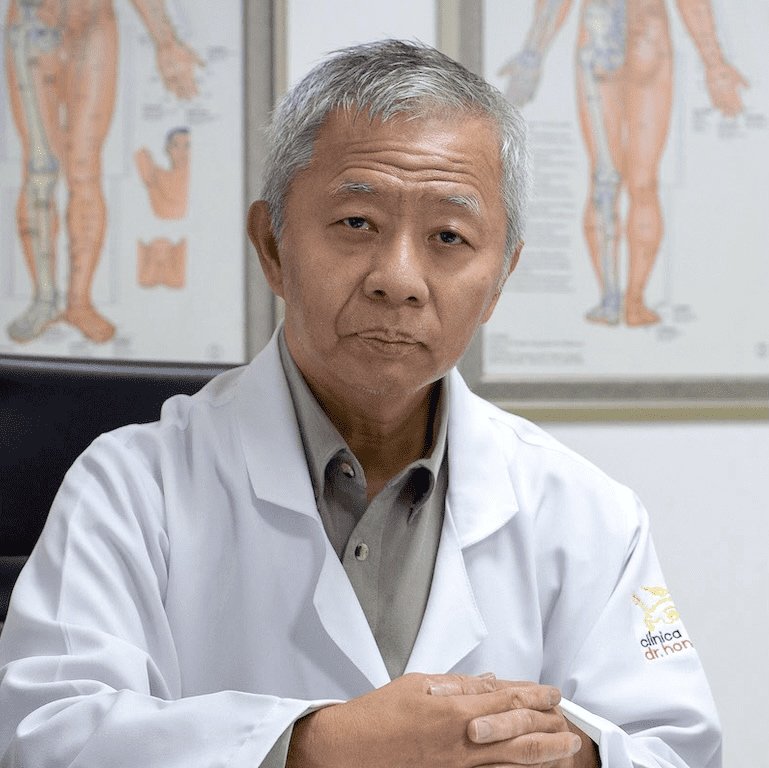
Expert Commentary
Prof. Dr. Hong Jin Pai
PhD in Sciences, University of São Paulo
▸ Clinical Relevance
Chronic low back pain remains one of the most frequent challenges in the pain clinic, and any evidence that broadens the non-pharmacologic therapeutic arsenal deserves serious clinical attention. This Brazilian randomized trial demonstrates that the combination of auricular acupuncture with cupping therapy produces clinically meaningful reductions in both pain intensity and functional disability — 52% and 60%, respectively — significantly outperforming auricular acupuncture alone. The patient profile most directly addressed is one with moderate to severe pain for more than three months, without satisfactory response to conventional pharmacotherapy or with contraindications to continuous analgesic use. The combined approach fits well within multimodal protocols, alongside physical rehabilitation and pain education, without burdening the patient with invasive procedures. Protocol reproducibility, ensured by standardization of the auricular and dorsal points, facilitates implementation in primary care services and specialized clinics with limited resources.
▸ Notable Findings
The most striking finding of this study is the qualitative leap between groups by IMMPACT criteria: while auricular acupuncture alone reaches 'moderately important' improvement, the combined therapy attains 'substantially better' improvement — a clinical, not merely statistical, distinction. It is notable that the improvement in functional disability on the Roland-Morris in the combined group reached 54% even at the seven-day follow-up after treatment ended, suggesting persistence of effect beyond active sessions. Another finding worth noting is that pressure pain threshold increased significantly in both groups, but with no difference between them — indicating that peripheral nociceptive modulation mechanisms are shared, but functional gains and subjective pain perception depend on the synergistic effect of the combination. This dissociation between algometric threshold and subjective pain experience opens an interesting window to discuss the central mechanisms of cupping therapy.
▸ From My Experience
In my practice at the HC-FMUSP Pain Center, combining auricular acupuncture with adjunct body techniques — cupping therapy, moxibustion, electroacupuncture — is routine for patients with chronic low back pain who arrive already exhausted by pharmacologic options. I have observed that the first signs of response to auricular acupuncture typically appear between the second and third sessions, but it is with the addition of cupping therapy that patients report earlier and more consistent functional improvement — which this study objectively corroborates. I usually keep the patient in active treatment for six to eight weeks and then space out to biweekly maintenance sessions for another two to three months, especially in cases with a significant myofascial component. The profile that responds best, in my experience, is the patient with predominantly mechanical pain, without significant radicular irradiation, and with good adherence to self-care. I routinely combine treatment with supervised stretching and postural guidance, which potentiates and prolongs the gains obtained in the sessions.
Full original article
Read the full scientific study
Journal of Traditional and Complementary Medicine · 2022
DOI: 10.1016/j.jtcme.2021.07.008
Access original articleScientific Review

Marcus Yu Bin Pai, MD, PhD
CRM-SP: 158074 | RQE: 65523 · 65524 · 655241
PhD in Health Sciences, University of São Paulo. Board-certified in Pain Medicine, Physical Medicine and Rehabilitation, and Medical Acupuncture. Scientific review and curation of every entry in this library.
Learn more about the author →Medical disclaimer: This content is for educational purposes only and does not replace consultation, diagnosis, or treatment by a qualified professional. Some information may be assisted by artificial intelligence and is subject to inaccuracies. Always consult a physician.
Content reviewed by the medical team at CEIMEC — Integrated Centre for Chinese Medicine Studies, a reference in Medical Acupuncture for over 30 years.
Related articles
Based on this article’s categories