Comparing Surgical, Acupuncture, and Exercise Interventions for Improving the Quality of Life in Women With Endometriosis: A Systematic Review
Afreen et al. · Cureus · 2024
Evidence Level
MODERATEOBJECTIVE
Compare the effects of surgery, acupuncture, and exercise on quality of life in women with endometriosis
WHO
493 women with endometriosis from 10 studies (6 clinical trials and 4 observational)
DURATION
Follow-up ranged from 3 months to 2 years depending on the study
POINTS
Acupuncture with specific points for pelvic pain (point details not specified)
🔬 Study Design
Laparoscopic surgery
n=287
Excision of endometriotic lesions
Acupuncture
n=148
True acupuncture vs. placebo
Exercise
n=31
Supervised exercise program
Controls
n=27
Control/placebo groups
📊 Results in numbers
Pain reduction (surgery)
Quality-of-life improvement post-surgery
Dysmenorrhea pain reduction (acupuncture)
Chronic pelvic pain reduction (acupuncture)
Quality-of-life improvement (exercise)
Percentage highlights
📊 Outcome Comparison
Pain Reduction (VAS)
Quality-of-Life Improvement (%)
This study showed that three types of treatment—surgery, acupuncture, and exercise—can significantly help women with endometriosis reduce pain and improve their quality of life. Surgery had the best results, but acupuncture and exercise also produced important benefits, offering less invasive alternatives.
Article summary
Plain-language narrative summary
This systematic review analyzed the efficacy of three therapeutic approaches—surgical, acupuncture, and exercise—for improving quality of life in women with endometriosis, a chronic condition that affects about 10% of women of reproductive age globally. The researchers conducted a comprehensive search of five databases, following PRISMA guidelines, and identified 10 relevant studies (6 randomized clinical trials and 4 observational studies) involving 493 participants. The results of surgical interventions were particularly impressive. Laparoscopic excision of endometriotic lesions demonstrated substantial reductions in pain, with one study reporting a drop from 94.8% to 18.4% in the proportion of women with moderate/severe pain.
Pain scores on the visual analog scale decreased dramatically from 8 ± 2.11 to 0.47 ± 1.24. In addition, 93.1% of patients rated their quality of life as significantly improved after surgery. Acupuncture also showed promising results as a non-invasive approach. The studies demonstrated significant reductions in dysmenorrhea, with a 3.9-point decrease in pain scores.
For chronic pelvic pain, 66% of patients in the acupuncture group experienced improvement, compared with only 17% in the placebo group. Acupuncture also produced significant improvements in emotional well-being, measured by instruments such as the Beck Depression Inventory and mood profiles. The supervised exercise program, although represented by only one study, showed encouraging results. Participants experienced improvements with large effect sizes (d > 0.80) in quality of life, both immediately after the intervention and at one-year follow-up.
Exercise reduced dyspareunia and pain catastrophizing, in addition to increasing abdominal and back strength, improving lumbopelvic stability, and enhancing muscle architecture. The review methodology was rigorous, using appropriate quality assessment tools—the Cochrane Risk of Bias tool for randomized clinical trials and the Newcastle-Ottawa Scale for observational studies. Most studies demonstrated good methodologic quality, although some limitations were identified, including small sample sizes in some studies, lack of adequate blinding in certain interventions, and potential selection bias. The mechanisms by which these interventions exert their beneficial effects vary.
Surgery acts directly by removing ectopic endometriotic tissue, eliminating the source of inflammation and pain. Acupuncture may modulate pain perception through neurologic pathways, promoting the release of endorphins and other neurotransmitters. Exercise contributes through improved overall physical function, stress reduction, and strengthening of specific muscle groups that may be compromised by the condition. The clinical implications of these findings are significant.
For patients with severe endometriosis refractory to conservative treatments, laparoscopic surgery emerges as a highly effective option. For those who prefer non-invasive approaches or as adjunctive therapies, both acupuncture and structured exercise programs offer clinically relevant benefits. The complementary nature of these interventions suggests that multimodal approaches may be particularly beneficial. However, several limitations must be considered.
Heterogeneity in intervention protocols, measurement instruments, and follow-up periods made direct comparisons difficult. Some studies lacked adequate control groups, limiting causal inferences. In addition, the long-term sustainability of observed benefits requires further investigation, particularly for interventions such as acupuncture and exercise that may require ongoing maintenance.
Strengths
- 1Comprehensive search across multiple databases following PRISMA guidelines
- 2Rigorous assessment of methodologic quality of the included studies
- 3Analysis of three distinct therapeutic modalities allowing comparisons
- 4Inclusion of studies using validated quality-of-life instruments
Limitations
- 1Heterogeneity in intervention protocols and measurement instruments
- 2Small sample sizes in some included studies
- 3Lack of adequate blinding in certain interventions
- 4Variable follow-up periods limiting long-term analyses
- 5Focus only on English-language studies may have excluded relevant evidence
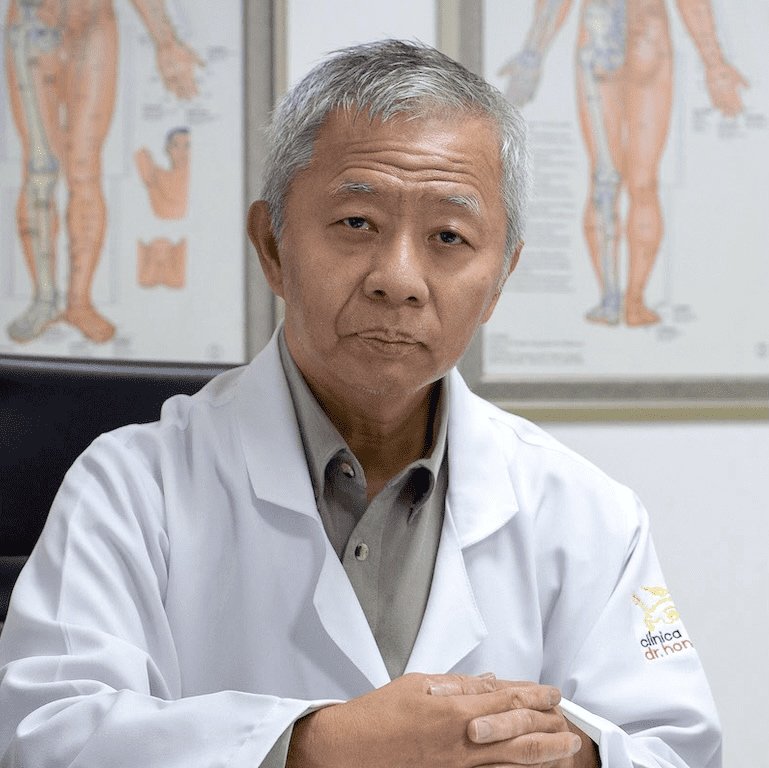
Expert Commentary
Prof. Dr. Hong Jin Pai
PhD in Sciences, University of São Paulo
▸ Clinical Relevance
Endometriosis represents one of the most challenging problems in functional gynecology, affecting about 10% of women of reproductive age and consuming considerable therapeutic resources before a definitive diagnosis. This review is of direct interest because it positions acupuncture within a hierarchical therapeutic spectrum—from surgery to exercise—offering the physician a panoramic view of the available arsenal. For patients awaiting surgery, refusing invasive procedures, or experiencing recurrence after laparoscopy, acupuncture takes on a concrete clinical role, not merely a complementary one offered out of courtesy. The 66% reduction in chronic pelvic pain with acupuncture, versus 17% in placebo, justifies its formal indication in multimodal protocols. Young patients wishing to preserve fertility, those with anesthetic or surgical contraindications, and women experiencing post-surgical recurrence represent populations in which this evidence translates directly into clinical decisions.
▸ Notable Findings
Two findings stand out in this review. The first is the magnitude of the surgical effect—a drop from 94.8% to 18.4% in the proportion of women with moderate-to-severe pain, accompanied by 93.1% of patients reporting significant quality-of-life improvement—establishing an efficacy benchmark against which the other interventions must be compared. The second, more relevant to our practice, is the performance of acupuncture in chronic pelvic pain: a 3.9-point reduction in dysmenorrhea and 66% responders, with measurable repercussions on emotional well-being assessed by instruments such as the Beck Inventory. That acupuncture acts concurrently on somatic pain and mood states is no surprise to anyone familiar with the mechanisms of central neurologic modulation, but seeing this documented with validated instruments in a specific endometriosis population reinforces the robustness of the effect. The large effect size with exercise (d > 0.80) and sustained one-year gains is also nontrivial.
▸ From My Experience
In my practice, women with endometriosis usually arrive at our service after years of hormonal treatment and, often, one or more surgeries. The pattern I have observed is that acupuncture responds more slowly in this group than in low back pain or headaches—I usually see the first relevant reductions in dysmenorrhea between the fourth and sixth sessions, with stabilization around the twelfth. Combining acupuncture with lumbopelvic stabilization exercises is routine in our service, especially because pelvic floor dysfunction frequently coexists. In refractory chronic pelvic pain cases, I alternate weekly acupuncture sessions with assessment of emotional response—depression and catastrophizing are markers that guide the pace of progression. I do not recommend acupuncture as the sole intervention in patients with symptomatic deep infiltrating endometriosis; in those cases, it serves as perioperative support or management during the surgical waiting period. The profile that responds best, in my experience, is the patient with moderate pain, without extensive adhesions, and who has already developed some body awareness—whether through Pilates, yoga, or prior physical therapy.
Full original article
Read the full scientific study
Cureus · 2024
DOI: 10.7759/cureus.65257
Access original articleScientific Review

Marcus Yu Bin Pai, MD, PhD
CRM-SP: 158074 | RQE: 65523 · 65524 · 655241
PhD in Health Sciences, University of São Paulo. Board-certified in Pain Medicine, Physical Medicine and Rehabilitation, and Medical Acupuncture. Scientific review and curation of every entry in this library.
Learn more about the author →Medical disclaimer: This content is for educational purposes only and does not replace consultation, diagnosis, or treatment by a qualified professional. Some information may be assisted by artificial intelligence and is subject to inaccuracies. Always consult a physician.
Content reviewed by the medical team at CEIMEC — Integrated Centre for Chinese Medicine Studies, a reference in Medical Acupuncture for over 30 years.
Related articles
Based on this article’s categories