A Proposed Neurologic Pathway for Scalp Acupuncture: Trigeminal Nerve–Meninges–Cerebrospinal Fluid–Contacting Neurons–Brain
Wang et al. · Medical Acupuncture · 2017
Evidence Level
MODERATEOBJECTIVE
To investigate the neurological mechanisms of scalp acupuncture and establish a specific neural pathway between scalp acupoints and the brain
WHO
25 adult male Sprague-Dawley rats (250-280 g)
DURATION
20 minutes of stimulation with electroacupuncture
POINTS
GB-15 (Toulinqi) on the scalp and ST-36 (Zusanli) on the leg for comparison
🔬 Study Design
GB-15 stimulation
n=12
Electroacupuncture at GB-15 (scalp acupuncture)
ST-36 stimulation
n=10
Electroacupuncture at ST-36 (body acupuncture)
Control
n=3
No stimulation
📊 Results in numbers
Increase in cerebral blood flow with GB-15
Plasma extravasation in the dura mater
Meningeal vascular response
Effect with ST-36
📊 Outcome Comparison
Cerebral blood flow
This study investigated how scalp acupuncture works in the brain, finding that needles in the scalp can directly influence cerebral circulation through the trigeminal nerve. The results suggest that scalp acupuncture has a more direct path to affect the brain than traditional body acupuncture.
Article summary
Plain-language narrative summary
Scalp acupuncture represents a specialized modality of acupuncture that emerged as an independent system in the 1970s, combining knowledge from modern neuroanatomy with principles of traditional Chinese medicine. This pioneering experimental study proposes a specific neurologic pathway to explain the therapeutic mechanisms of scalp acupuncture, an area that has remained poorly understood scientifically. The researchers used 25 Sprague-Dawley rats to investigate the connections between scalp acupoints and brain structures, focusing specifically on the role of the trigeminal nerve as a mediator of these responses. The methodology involved two main experiments: observation of plasma extravasation using Evans Blue dye and measurement of cerebral blood flow through laser perfusion imaging.
In the first experiment, electrical stimulation of the trigeminal nerve induced visible plasma extravasation both in the facial skin and in the dura mater, demonstrating a direct neurologic connection between the cranial surface and the meninges. This phenomenon, known as neurogenic inflammation, occurs through axonal reflexes and dorsal root reflexes, in which stimulation of one nerve branch can antidromically activate other branches of the same axon. The second experiment compared the effects of electroacupuncture at GB-15 (Toulinqi), located on the scalp and innervated by the supraorbital nerve, with the effects at ST-36 (Zusanli), located on the leg. The results showed that stimulation of GB-15 produced a significant increase in cerebral blood flow during and after treatment, while ST-36 showed no similar effects.
This difference suggests that scalp acupuncture has distinct and potentially more effective mechanisms of action for influencing brain function. The findings led the researchers to propose a specific neurologic pathway termed 'trigeminal nerve–meninges–cerebrospinal fluid–contacting neurons–brain.' This pathway represents a possible shortcut for cerebral functional regulation, in which scalp acupoints, innervated by the trigeminal nerve, can influence the meninges through neural reflexes. The meninges, in turn, interact with specialized neurons that contact the cerebrospinal fluid, creating a communication bridge with the brain parenchyma. Cerebrospinal fluid–contacting neurons (CSF-cNs) are specialized cells found in various brain regions, including nuclei of the hypothalamus, thalamus, and brainstem.
These neurons send dendritic projections into the cerebral ventricles and central canal, functioning as chemoreceptors that can detect and respond to changes in cerebrospinal fluid composition. Previous studies have indicated that CSF-cNs are involved in pain modulation and in the transduction of headache-related signals. The clinical implications of this study are significant for the practice of scalp acupuncture. The identification of a specific neural pathway provides a scientific basis for the use of this technique in the treatment of brain diseases, including stroke sequelae, dementia, epilepsy, and motor disorders.
The demonstration that scalp acupuncture can increase cerebral blood flow more effectively than body acupuncture suggests unique therapeutic mechanisms that justify its specialized clinical application.
Strengths
- 1First proposal of a specific neurologic pathway for scalp acupuncture
- 2Well-defined experimental methodology with objective markers
- 3Direct comparison between scalp and body acupuncture
- 4Use of advanced imaging techniques for cerebral blood flow
Limitations
- 1Study limited to an animal model, requiring human validation
- 2Small sample of 25 animals
- 3Short-term observation (20 minutes)
- 4Absence of sham control groups for stimulation
- 5Lack of detailed statistical analysis of the results
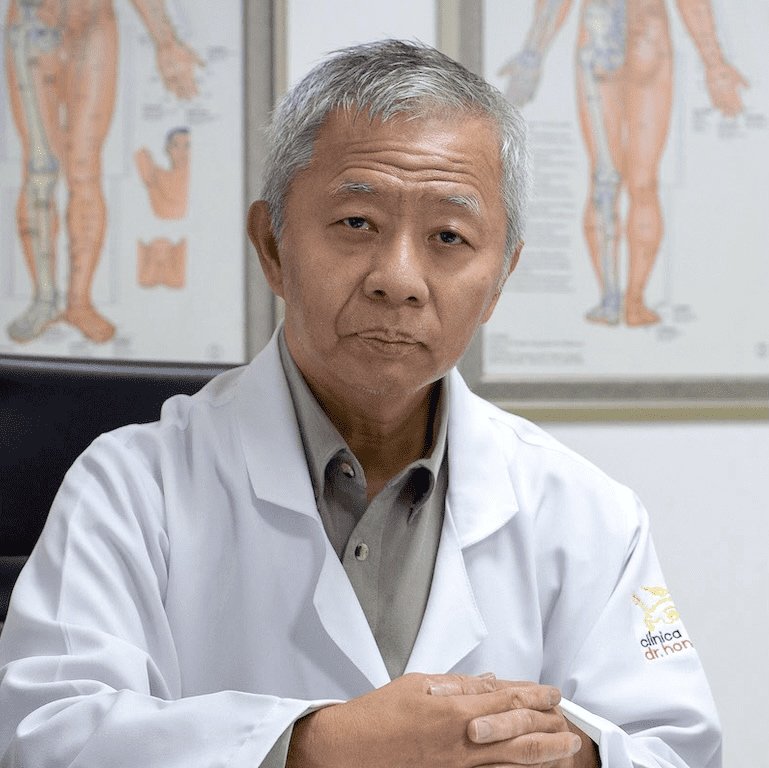
Expert Commentary
Prof. Dr. Hong Jin Pai
PhD in Sciences, University of São Paulo
▸ Clinical Relevance
Scalp acupuncture occupies a unique position in the therapeutic arsenal of rehabilitation medicine, especially in the management of neurologic sequelae — and this study offers, for the first time, a coherent neurologic pathway to support what has been observed clinically for decades. The proposal that scalp acupoints innervated by the trigeminal nerve modulate cerebral blood flow through axonal reflexes and interaction with cerebrospinal fluid–contacting neurons mechanistically explains why scalp acupuncture produces functional responses that conventional body acupuncture often cannot reproduce with the same speed. In post-stroke rehabilitation practice, patients with motor and cognitive deficits represent the scenario where this understanding becomes most actionable: it justifies choosing scalp acupuncture as the primary modality, not adjunctive, and guides point selection based on scalp neuroanatomy rather than only on the tradition of classical systemic maps.
▸ Notable Findings
The most noteworthy finding is not just the increase in cerebral blood flow with GB-15 stimulation — it is the absence of a comparable effect with ST-36. This dissociation between scalp and body acupuncture under equivalent experimental conditions strengthens the hypothesis that the mechanisms are qualitatively distinct, not just quantitatively different. The plasma extravasation induced in the dura mater by trigeminal stimulation is equally revealing: it demonstrates that meningeal neurogenic inflammation, a phenomenon well described in migraine pathophysiology, can be modulated bidirectionally from the scalp. The proposal of cerebrospinal fluid–contacting neurons as a link between meninges and brain parenchyma connects this work to an emerging literature on ventricular chemoreceptors, lending the model an anatomical elegance that goes beyond speculation.
▸ From My Experience
In my practice at the Pain Center of HC-FMUSP, I have systematically used scalp acupuncture in patients with stroke sequelae for many years, and the speed of response that this article begins to mechanistically explain is something we observe routinely: we typically see initial functional signs within the first three to five sessions, particularly in spasticity and gross motor coordination. The patient profile that responds best, in my experience, is one with subacute to chronic injury and partial preservation of corticospinal pathways — where any increment in regional flow can recruit residual plasticity. We routinely combine scalp acupuncture with motor physical therapy and, when available, with functional electrical stimulation, since the temporal synergy between the vascular effects of scalp acupuncture and intensive motor training appears to potentiate both. I do not recommend scalp acupuncture as a stand-alone technique in extensive lesions with very low functional reserve — in those cases, managing expectations is as important as choosing the technique.
Full original article
Read the full scientific study
Medical Acupuncture · 2017
DOI: 10.1089/acu.2017.1231
Access original articleScientific Review

Marcus Yu Bin Pai, MD, PhD
CRM-SP: 158074 | RQE: 65523 · 65524 · 655241
PhD in Health Sciences, University of São Paulo. Board-certified in Pain Medicine, Physical Medicine and Rehabilitation, and Medical Acupuncture. Scientific review and curation of every entry in this library.
Learn more about the author →Medical disclaimer: This content is for educational purposes only and does not replace consultation, diagnosis, or treatment by a qualified professional. Some information may be assisted by artificial intelligence and is subject to inaccuracies. Always consult a physician.
Content reviewed by the medical team at CEIMEC — Integrated Centre for Chinese Medicine Studies, a reference in Medical Acupuncture for over 30 years.
Related articles
Based on this article’s categories