Modulatory effect of International standard scalp Acupuncture on brain activation in the elderly as revealed by resting-state fMRI
Chung et al. · Neural Regeneration Research · 2019
OBJECTIVE
To investigate the effects of international standard scalp acupuncture on brain activity in healthy older adults using functional MRI
WHO
7 healthy older volunteers (3 men, 4 women), 50-70 years
DURATION
Single 30-minute scalp acupuncture session with scans before and after
POINTS
MS5 (midline Baihui-Qianding), left MS6 (Sishencong-Xuanli), left MS7 (Baihui-Qubin)
🔬 Study Design
Scalp acupuncture
n=7
Single 30-minute session on left MS5, MS6, and MS7 lines
📊 Results in numbers
Increased bilateral regional homogeneity in the anterior cingulate cortex
Increased activity in the right middle frontal gyrus
Reduced functional connectivity in bilateral supplementary motor areas
Specific modulation of cognitive and executive control networks
📊 Outcome Comparison
Regional Homogeneity (ReHo)
This study shows that scalp acupuncture can specifically influence brain areas related to thinking, attention, and action control. The results suggest that this technique may activate brain networks important for cognition, which is promising for the treatment of neurologic conditions.
Article summary
Plain-language narrative summary
This innovative study investigated how international standard scalp acupuncture affects brain activity in healthy older adults, using resting-state functional MRI (rs-fMRI). Scalp acupuncture is a specialized technique in which needles are inserted along specific lines on the scalp, corresponding to functional regions of the brain. The study was conducted as a prospective single-arm clinical trial, approved by the Ethics Committee of the China-Japan Hospital of Jilin University. Seven healthy older volunteers (three men and four women, aged 50-70 years) were recruited and received a single 30-minute scalp acupuncture session.
The points used were MS5 (midline between Baihui and Qianding), left MS6 (line between Sishencong and Xuanli), and left MS7 (line between Baihui and Qubin). Stainless steel needles were inserted at acute angles and manipulated every 10 minutes to elicit the Deqi sensation. Participants underwent MRI scans before and 20-30 minutes after treatment. The researchers analyzed three main parameters: fractional amplitude of low-frequency fluctuations (fALFF), regional homogeneity (ReHo), and functional connectivity.
The results revealed specific changes in brain activity after scalp acupuncture. There was a decrease in fALFF mainly in the bilateral occipital lobe, including the lingual gyrus, cuneus, and cortices around the calcarine sulcus, as well as in area BA17. These regions are involved in visual processing, and the reduction in activity was attributed to the use of eye masks during the experiment. More significantly, the study found a marked increase in regional homogeneity in the bilateral anterior cingulate cortex, left medial frontal gyrus, supramarginal gyrus, right middle frontal gyrus, and inferior frontal gyrus.
The anterior cingulate cortex is a high-level functional unit in the frontoparietal network, responsible for allocating attentional resources and coordinating decision-making during cognitive conflicts. The left medial frontal gyrus plays an important role in executive coordination, fear control, adjustment, and language processing. The left supramarginal gyrus is involved in integrating conceptual knowledge and motor representations into meaningful actions. Functional connectivity analysis revealed that activation of the anterior cingulate cortex suppressed connectivity with the bilateral supplementary motor areas and paracentral lobule, suggesting that scalp acupuncture specifically improved the regulation of cognitive and executive control networks without unnecessarily engaging other areas.
In addition, reduced connectivity was observed in the bilateral medial superior frontal gyrus relative to the right middle frontal gyrus, indicating that scalp acupuncture can activate independent neural networks. The researchers concluded that international standard scalp acupuncture in healthy older participants specifically improved the correlation between brain regions involved in cognition and the implementation of the brain network regulation system with adjacent regions. This study represents an important contribution to the understanding of the neurologic mechanisms of scalp acupuncture, providing scientific evidence that this technique can specifically modulate brain networks related to cognitive function and executive control. The results are particularly relevant given the growth of the older population and the need for effective interventions to maintain brain health.
The clinical implications suggest that scalp acupuncture may be a valuable tool in neurologic rehabilitation and in the treatment of cognitive disorders.
Strengths
- 1First study to use rs-fMRI to investigate international standard scalp acupuncture in older adults
- 2Rigorous methodology with standardized neuroimaging protocols
- 3Use of multiple parameters of brain analysis (fALFF, ReHo, functional connectivity)
- 4Well-defined and reproducible scalp acupuncture technique
Limitations
- 1Very small sample (n = 7) limiting generalization of the results
- 2Absence of a sham-needling control group
- 3Pre-post design without randomization
- 4Lack of clinical or cognitive outcome assessment
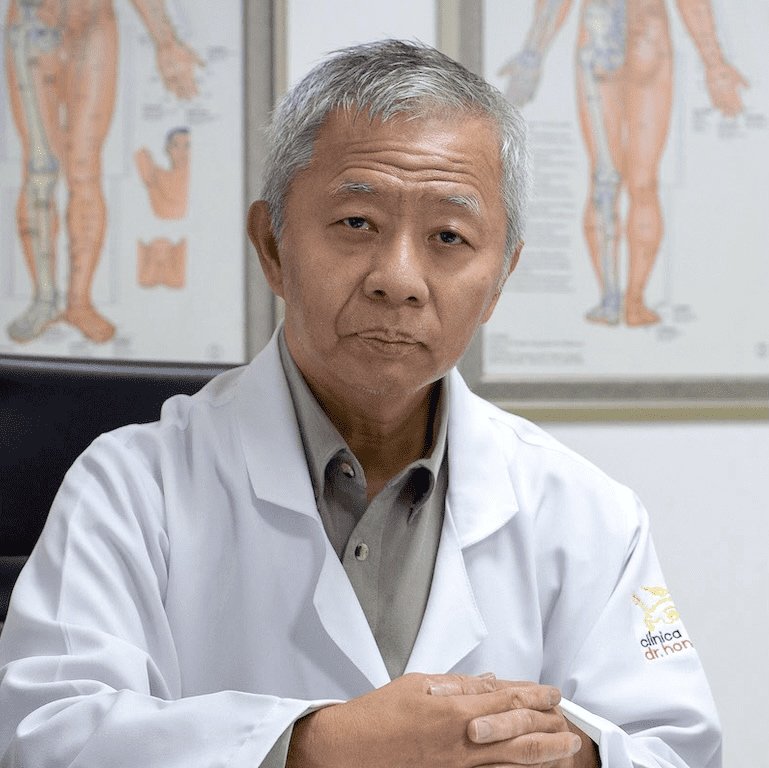
Expert Commentary
Prof. Dr. Hong Jin Pai
PhD in Sciences, University of São Paulo
▸ Clinical Relevance
International standard scalp acupuncture — which uses lines defined by Yamamoto and later systematized in MS nomenclature — occupies a growing position in neurologic rehabilitation protocols at tertiary centers. This study offers, for the first time with rs-fMRI, a window into what occurs in the brain parenchyma of older adults after a single session on the left MS5, MS6, and MS7 lines: recruitment of the bilateral anterior cingulate cortex, right middle frontal gyrus, and supramarginal gyrus, structures that make up the neural substrate of executive attention and sensorimotor integration. For the clinician treating stroke sequelae, mild cognitive impairment, or age-related functional decline, these findings provide a neurobiological basis for indicating scalp acupuncture as an adjunct to conventional rehabilitation programs, particularly in patients with complaints of slowed processing and difficulty with motor planning.
▸ Notable Findings
The most noteworthy finding is the simultaneous suppression of functional connectivity in the bilateral supplementary motor areas from activation of the anterior cingulate — a pattern that suggests hierarchical reorganization rather than simple diffuse excitation. This dissociation indicates that scalp acupuncture can enhance top-down executive control without unnecessarily recruiting preparatory motor circuits, which has direct implications in conditions where there is pathological competition between networks, such as post-stroke spasticity or dysexecutive syndromes. Equally notable is that these effects were detected 20 to 30 minutes after a single 30-minute session, suggesting acute functional plasticity induced by pericranial-cortical stimulation. The multiparametric analysis — fALFF, ReHo, and functional connectivity — allowed simultaneous mapping of local intensity, regional coherence, and inter-network communication, lending an interpretive richness rarely seen in mechanism studies with this technique.
▸ From My Experience
In my practice at the Acupuncture Group of the Pain Center of HC-FMUSP, scalp acupuncture is routinely integrated into protocols for patients with subacute and chronic stroke, mild cognitive decline, and post-neurosurgical rehabilitation. I usually observe the first functional responses — greater motor initiative, improved verbal fluency, reduced cognitive fatigue reported by family members — between the third and fifth session, when the technique is combined with motor physical therapy and speech-language therapy. For maintenance, we usually work in cycles of 10 to 12 sessions, with reassessment and progressive spacing. The patient profile that responds best, in my experience, is the older adult with unilateral cortical injury and cognition preserved enough to cooperate with Deqi — exactly the age range in this study. Patients with severe agitation or inability to remain still during scanning or a prolonged session are not good candidates for scalp acupuncture alone. The fact that neuroimaging shows modulation of executive networks after a single session is consistent with what I see clinically: scalp acupuncture has an immediate measurable effect, but it is repetition that consolidates the functional gain.
Full original article
Read the full scientific study
Neural Regeneration Research · 2019
DOI: 10.4103/1673-5374.262590
Access original articleScientific Review

Marcus Yu Bin Pai, MD, PhD
CRM-SP: 158074 | RQE: 65523 · 65524 · 655241
PhD in Health Sciences, University of São Paulo. Board-certified in Pain Medicine, Physical Medicine and Rehabilitation, and Medical Acupuncture. Scientific review and curation of every entry in this library.
Learn more about the author →Medical disclaimer: This content is for educational purposes only and does not replace consultation, diagnosis, or treatment by a qualified professional. Some information may be assisted by artificial intelligence and is subject to inaccuracies. Always consult a physician.
Content reviewed by the medical team at CEIMEC — Integrated Centre for Chinese Medicine Studies, a reference in Medical Acupuncture for over 30 years.
Related articles
Based on this article’s categories