Acupuncture for Infertility: Is It An Effective Therapy?
Huang et al. · Chinese Journal of Integrative Medicine · 2011
Evidence Level
MODERATEOBJECTIVE
To assess the efficacy of acupuncture in the treatment of female and male infertility
WHO
Patients with infertility, including ovulatory dysfunction, IVF, and male infertility
DURATION
Review of studies conducted from 2002 to 2009
POINTS
Zhongji (CV-3), Guanyuan (CV-4), Sanyinjiao (SP-6), Zigong (EX-CA1)
🔬 Study Design
Acupuncture for IVF
n=683
Acupuncture before and after embryo transfer
Control
n=683
Standard treatment without acupuncture
📊 Results in numbers
Improvement in clinical pregnancy rate
Increase in ovulation rate in PCOS
OR for pregnancy with acupuncture
Improvement in sperm motility
Percentage highlights
📊 Outcome Comparison
Clinical pregnancy rate
This review shows that acupuncture can be an effective adjunctive treatment for couples with difficulty conceiving. Studies indicate improvements in both female ovulatory function and male sperm quality, with particular benefits when combined with in vitro fertilization treatments.
Article summary
Plain-language narrative summary
This comprehensive review study examines the efficacy of acupuncture in treating both female and male infertility, drawing on the scientific literature available through 2009. Infertility affects millions of couples worldwide, and acupuncture has emerged as a promising complementary therapy in this field. The review analyzes three main areas: ovulatory dysfunction, in vitro fertilization (IVF), and male infertility. For ovulatory dysfunction, especially in women with polycystic ovary syndrome (PCOS), studies have shown that acupuncture can significantly increase ovulation rates.
A prospective study of 24 women showed an improvement in ovulatory rates from 15% to 66% after electroacupuncture treatment. The proposed mechanisms include modulation of the hypothalamic-pituitary-ovarian axis through neuropeptides, especially beta-endorphins, and release of GnRH. Acupuncture also demonstrated the ability to increase ovarian blood flow through sympatho-inhibitory effects and to improve insulin sensitivity, which is particularly important in patients with PCOS. In in vitro fertilization, a meta-analysis of 1,366 women in 7 randomized controlled trials revealed that acupuncture before and after embryo transfer significantly increased clinical pregnancy rates, with an odds ratio of 1.65.
The mechanisms include increased uterine blood flow, inhibition of uterine motility, and reduction of stress, anxiety, and depression. For every 10 women treated with acupuncture, one additional clinical pregnancy was achieved. For male infertility, several small studies suggested benefits of acupuncture in improving semen parameters, including sperm concentration, motility, and morphology. A randomized controlled study showed significant improvement in the percentage of total motile sperm.
The mechanisms for male infertility remain less well understood but may involve hormonal modulation. The review identifies important limitations in existing studies, including small sample sizes, lack of standardization of protocols, and a need for more well-designed multicenter studies. Most trials used fixed protocols rather than the traditional individualized approach of Chinese medicine based on syndrome differentiation. The authors conclude that, although the evidence is promising, more multicenter randomized controlled studies are needed to definitively establish the efficacy of acupuncture for infertility and to clarify its mechanisms of action.
Strengths
- 1Comprehensive review of multiple infertility-related conditions
- 2Evidence-based analysis of mechanisms of action
- 3Inclusion of randomized controlled trials
- 4Balanced discussion of study limitations
Limitations
- 1Most studies had small sample sizes
- 2Lack of standardization of acupuncture protocols
- 3Need for more multicenter studies
- 4Mechanisms of action still not fully clarified
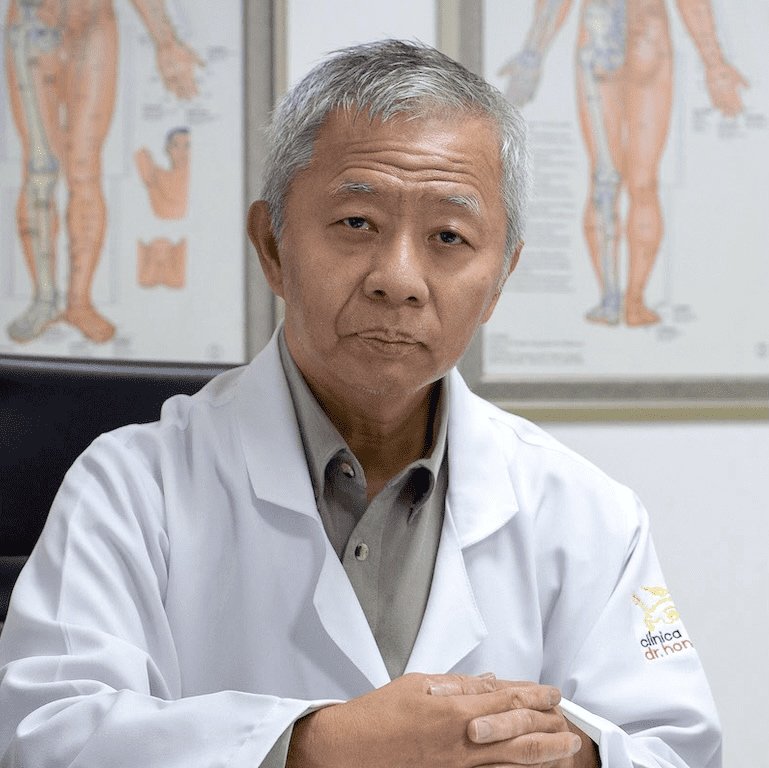
Expert Commentary
Prof. Dr. Hong Jin Pai
PhD in Sciences, University of São Paulo
▸ Clinical Relevance
Infertility represents a growing therapeutic challenge in our practices, and this review systematizes evidence that justifies integrating acupuncture into the conventional reproductive armamentarium. The central finding — odds ratio of 1.65 for clinical pregnancy when acupuncture is paired with embryo transfer — has a direct impact on management: for every ten women undergoing IVF with acupuncture support, one additional clinical pregnancy is achieved. This shifts the discussion from 'alternative therapy' to 'adjuvant with measurable cost-benefit.' In addition, the data on polycystic ovary syndrome — with ovulatory rates rising from 15% to 66% with electroacupuncture — position acupuncture as a concrete option in patients who do not tolerate or do not adequately respond to ovulation inducers. The inclusion of male outcomes, with improvement in sperm motility, broadens the scope to encompass the infertile couple as a therapeutic unit.
▸ Notable Findings
Three findings deserve special attention. First, the magnitude of the difference in clinical pregnancy rates — 65% versus 26% — in the IVF context is striking and is supported by plausible mechanisms: increased uterine blood flow, inhibition of uterine motility, and modulation of the hypothalamic-pituitary-ovarian axis via beta-endorphins and GnRH. Second, the effect of electroacupuncture on PCOS points to a sympatho-inhibitory mechanism with improvement in insulin sensitivity — relevant because PCOS frequently coexists with insulin resistance, and this pathway may amplify the effects of metformin or myo-inositol. Third, the improvement in sperm motility from 11% to 18.3% in a randomized study suggests that the couple should be treated jointly, not just the female partner — an approach still underused in reproductive practice.
▸ From My Experience
In my practice, I have followed couples in infertility workup for decades, and the pattern I observe is consistent with what this review systematizes. In women with anovulatory PCOS, I usually see ovulatory response documented by ultrasound starting from the third or fourth week of weekly electroacupuncture, especially when combined with nutritional counseling and aerobic exercise — a combination that reinforces insulin-sensitivity mechanisms. For patients in IVF protocols, acupuncture is systematically offered at our service in the 24 to 48 hours before and after embryo transfer, using points such as Zhongji (CV-3), Guanyuan (CV-4), Zusanli (ST-36), and Neiguan (PC-6). I have observed that the anxiolytic component is clinically significant at this time — patients report reduction in acute stress during the session itself. For male infertility, I usually include the partner in protocols of 8 to 12 sessions, combining acupuncture with lifestyle counseling. The profile that responds best is the young man with moderate asthenozoospermia of no identified obstructive cause.
Full original article
Read the full scientific study
Chinese Journal of Integrative Medicine · 2011
DOI: 10.1007/s11655-011-0611-8
Access original articleScientific Review

Marcus Yu Bin Pai, MD, PhD
CRM-SP: 158074 | RQE: 65523 · 65524 · 655241
PhD in Health Sciences, University of São Paulo. Board-certified in Pain Medicine, Physical Medicine and Rehabilitation, and Medical Acupuncture. Scientific review and curation of every entry in this library.
Learn more about the author →Medical disclaimer: This content is for educational purposes only and does not replace consultation, diagnosis, or treatment by a qualified professional. Some information may be assisted by artificial intelligence and is subject to inaccuracies. Always consult a physician.
Content reviewed by the medical team at CEIMEC — Integrated Centre for Chinese Medicine Studies, a reference in Medical Acupuncture for over 30 years.
Related articles
Based on this article’s categories