Acupuncture and women's health: an overview of the role of acupuncture and its clinical management in women's reproductive health
Cochrane et al. · International Journal of Women's Health · 2014
Evidence Level
MODERATEOBJECTIVE
To review the scientific evidence on the use of acupuncture for female reproductive disorders and its mechanisms of action
WHO
Women with menstrual disorders, infertility, and reproductive problems in general
DURATION
Literature through June 2013
POINTS
Sanyinjiao (三陰交, SP-6), Shiqizhui (十七椎, EX-B8), and protocols for in vitro fertilization
🔬 Study Design
Mechanisms of action
n=114
studies on acupuncture physiology
Clinical evidence
n=204
studies on clinical application in women's health
📊 Results in numbers
Studies on in vitro fertilization
Clinical trials identified
Systematic reviews
Ovulation rate in chronic anovulation
Percentage highlights
📊 Outcome Comparison
Types of studies identified
This broad review shows that acupuncture can help women with menstrual problems and difficulties getting pregnant. Studies indicate that acupuncture can regulate the menstrual cycle, reduce pain, and improve the chances of pregnancy, especially when used together with in vitro fertilization treatments.
Article summary
Plain-language narrative summary
Acupuncture has been used for centuries to treat problems related to female reproductive health, especially in traditional Chinese medicine. Historically, gynecology specialists in Eastern medicine focused mainly on menstrual and reproductive disorders, recognizing that women's health is deeply linked to the regulation of the body's blood and vital energy. Over the past two decades, scientific interest in the effects of acupuncture on female reproductive health has grown significantly, especially with its adoption outside Asia and the incorporation of modern scientific research methods to understand its mechanisms of action.
This review study aimed to explore the scientific evidence available on the use of acupuncture for female reproductive disorders, analyzing both clinical results and experimental research on how acupuncture works in the female body. The researchers conducted a comprehensive search of the medical literature using several electronic databases, including PubMed, the Cochrane Library, and others, in addition to manual searches of specialized journals and books. The search included all literature published through June 2013, resulting in 114 relevant documents on acupuncture mechanisms of action and 204 documents on clinical reports of acupuncture use in women's health.
The findings revealed interesting preliminary evidence on how acupuncture may influence the female reproductive system. Experimental studies demonstrated that acupuncture can regulate uterine and ovarian blood flow, possibly through reflexes mediated by the ovarian sympathetic nerves. Animal research has shown that electroacupuncture can normalize ovarian function in cases of polycystic ovary syndrome, improve insulin resistance, and increase the glandular area of the endometrium. In addition, acupuncture appears to increase beta-endorphin levels during treatment, which may explain its analgesic effects and its influence on hormonal function.
Studies also suggested three main mechanisms by which acupuncture may affect fertility: release of neurotransmitters that stimulate reproductive hormones, stimulation of uterine blood flow, and production of endogenous opioids that reduce biological stress.
From a clinical perspective, the implications are promising for patients and health professionals. The review found preliminary evidence that acupuncture may improve menstrual health and help women facing difficulties getting pregnant. For conditions such as polycystic ovary syndrome, dysmenorrhea, and premenstrual syndrome, some studies have shown positive results, although the methodological quality of much of the research has been questioned. Particularly interesting was the finding that acupuncture may be beneficial as an adjunct treatment in assisted reproduction techniques, especially when applied on the day of embryo transfer during in vitro fertilization, potentially increasing pregnancy rates.
For patients, this suggests that acupuncture may be a relatively safe and noninvasive complementary treatment option for various reproductive problems.
However, the study also identified important limitations that should be considered. Most clinical research had significant methodological flaws, including small sample sizes, lack of adequate control groups, and inconsistent acupuncture protocols. Many studies did not use traditional Chinese medicine diagnoses to guide treatment, which may reduce the efficacy of the intervention, since acupuncture is traditionally personalized for each patient. In addition, there was wide variation in acupuncture points used, frequency, and duration of treatments across different studies, making it difficult to establish standardized protocols.
The quality of the acupuncturists also varied, with some studies using practitioners with minimal training.
In final considerations, although the preliminary data are encouraging and show that acupuncture may positively influence female reproductive function, more well-conducted clinical research is needed to definitively establish its efficacy. The exact mechanisms by which acupuncture exerts its effects are still not completely clarified, and the evidence within the current biomedical framework is not conclusive. For patients considering acupuncture as a complementary treatment, it is important to understand that, although promising and generally safe, it should be performed by qualified professionals and, ideally, integrated with conventional medical care. Future research should focus on effectiveness rather than only efficacy studies, considering the rich tradition of acupuncture practice combined with the rigorous methods of evidence-based medicine.
Strengths
- 1Comprehensive review including multiple study types
- 2Analysis of both mechanisms and clinical evidence
- 3Historical coverage of Chinese medicine for women's health
- 4Identification of promising areas for future research
Limitations
- 1Many studies with methodological flaws
- 2Lack of standardization of acupuncture protocols
- 3Evidence still considered preliminary
- 4Need for more well-conducted clinical trials
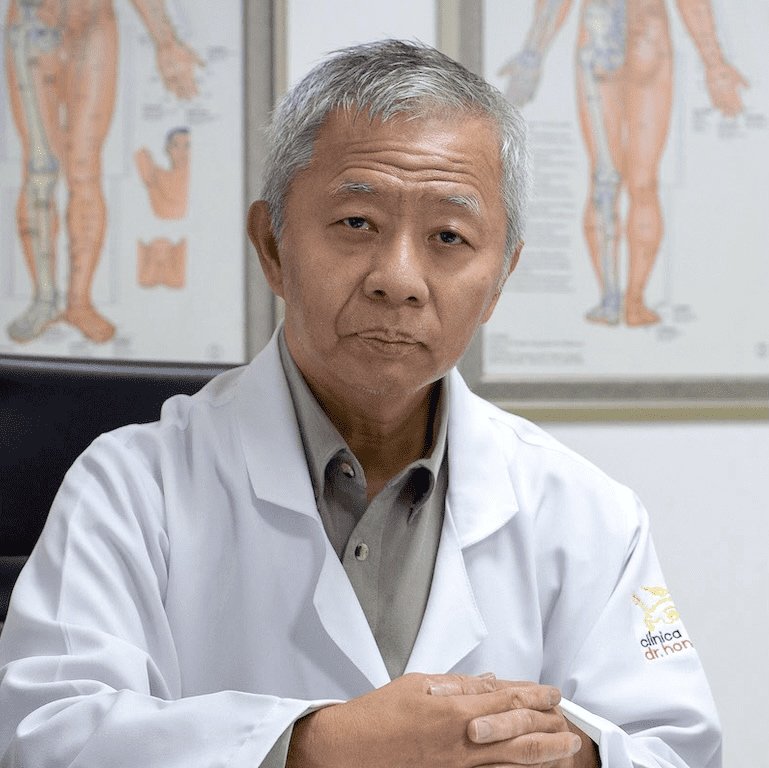
Expert Commentary
Prof. Dr. Hong Jin Pai
PhD in Sciences, University of São Paulo
▸ Clinical Relevance
Female reproductive health is one of the most promising fronts for the integration of acupuncture into the therapeutic armamentarium of contemporary medicine. This review consolidates decades of scientific output — 114 documents on mechanisms and 204 on clinical evidence — and offers the physician a map of where acupuncture has already shown practical utility: dysmenorrhea, premenstrual syndrome, polycystic ovary syndrome, and support for assisted reproduction techniques. For the gynecologist seeing a patient with chronic anovulation refractory to initial measures, or for the reproductive medicine specialist seeking to optimize an embryo transfer, the data gathered here provide a sufficient basis for an informed conversation about acupuncture as an adjunct. The 50% ovulation rate observed in chronic anovulation, although preliminary, is clinically significant when considered in the context of patients who have limited therapeutic options or who refuse pharmacological interventions with greater systemic impact.
▸ Notable Findings
The most robust mechanistic finding of this review is the demonstration that acupuncture regulates uterine and ovarian blood flow through reflexes mediated by the ovarian sympathetic nerves — a concrete neurobiological substrate that moves acupuncture away from the realm of the unexplainable. The normalization of ovarian function in polycystic ovary syndrome by electroacupuncture, with improvement in insulin resistance and increase in endometrial glandular area documented in animal models, gives pathophysiological coherence to its clinical use. The proposed mechanistic triad — release of neurotransmitters that stimulate the hypothalamic-pituitary-gonadal axis, increase in uterine blood flow, and production of endogenous opioids that attenuate biological stress — is particularly elegant because it articulates, in biomedical language, what classical Chinese medicine already described as regulation of blood and qi (氣). The concentration of nearly 30% of the studies on IVF signals where the scientific community perceives the greatest therapeutic potential.
▸ From My Experience
In my practice at the HC-FMUSP Pain Center, I frequently see women referred by gynecology with severe dysmenorrhea or polycystic ovary syndrome who do not tolerate or do not wish to remain on continuous contraceptives. I have observed measurable analgesic response as early as the first three to four sessions in these cases, with clinical stabilization between the eighth and twelfth session, followed by monthly maintenance. For IVF support, the protocol we adopt includes sessions in the week before the transfer and on the day of the procedure itself — a routine that aligns with what this review consolidates. The patient profile that responds best, in my observation, is one with predominant autonomic dysregulation and associated chronic stress, exactly the substrate in which endogenous opioids and sympathetic modulation make the most sense. We routinely combine treatment with guidance on light aerobic activity, which potentiates the regulation of the reproductive axis. I avoid prescribing isolated acupuncture when there is endometriosis with significant anatomical compromise — in those cases, it serves as support, never as the main treatment.
Full original article
Read the full scientific study
International Journal of Women's Health · 2014
DOI: 10.2147/ijwh.s38969
Access original articleScientific Review

Marcus Yu Bin Pai, MD, PhD
CRM-SP: 158074 | RQE: 65523 · 65524 · 655241
PhD in Health Sciences, University of São Paulo. Board-certified in Pain Medicine, Physical Medicine and Rehabilitation, and Medical Acupuncture. Scientific review and curation of every entry in this library.
Learn more about the author →Medical disclaimer: This content is for educational purposes only and does not replace consultation, diagnosis, or treatment by a qualified professional. Some information may be assisted by artificial intelligence and is subject to inaccuracies. Always consult a physician.
Content reviewed by the medical team at CEIMEC — Integrated Centre for Chinese Medicine Studies, a reference in Medical Acupuncture for over 30 years.
Related articles
Based on this article’s categories