Anti-Inflammatory Effects of Acupuncture Stimulation via the Vagus Nerve
Lim et al. · PLoS ONE · 2016
Evidence Level
STRONGOBJECTIVE
To investigate how acupuncture reduces inflammation through the vagus nerve
WHO
Male mice with LPS-induced inflammation
DURATION
30-minute sessions, analysis up to 180 minutes
POINTS
ST-36 (Zusanli, 足三里) - point below the knee
🔬 Study Design
Control
n=12
No treatment
LPS
n=12
Induced inflammation
Manual Acupuncture
n=12
LPS + needling at ST-36
Electroacupuncture
n=12
LPS + electrical stimulation at ST-36
📊 Results in numbers
Serum TNF-α reduction (manual acupuncture)
TNF-α reduction in the spleen
Neuronal activation in the brainstem
Blockade by vagotomy
Percentage highlights
📊 Outcome Comparison
Serum TNF-α levels (pg/mL)
This study discovered how acupuncture reduces inflammation in the body, showing that the needles activate the vagus nerve (an important nerve that connects the brain to the organs). This helps explain scientifically why acupuncture is effective in treating inflammatory conditions.
Article summary
Plain-language narrative summary
This experimental study investigated the mechanisms by which acupuncture produces anti-inflammatory effects, focusing specifically on the role of the vagus nerve as a mediator of these effects. The researchers used a well-established animal model of acute inflammation, inducing a systemic inflammatory response through the administration of lipopolysaccharide (LPS) in mice. The acupuncture point chosen was ST-36 (Zusanli, 足三里), located below the knee, which is widely used in clinical practice to treat various internal disorders. The researchers compared the effects of traditional manual acupuncture with electroacupuncture, using both anesthetized and conscious animals.
To confirm involvement of the autonomic nervous system, they performed splenic neurectomy and vagotomy procedures. The results showed that acupuncture stimulation at point ST-36 significantly reduced TNF-α (tumor necrosis factor alpha) levels, an important inflammatory marker, both in the serum and in the spleen of the animals. The reduction was approximately 45% in serum levels and 60% in splenic tissue. Crucially, when the researchers surgically removed the vagus nerve or the splenic nerves, the anti-inflammatory effects of acupuncture were virtually abolished, confirming that these nerves are essential for mediating the therapeutic benefits.
The study also revealed specific neuronal activation in the dorsal vagal complex (DVC), a brainstem region that controls autonomic functions. This activation was evidenced by increased expression of the c-Fos protein, a marker of neuronal activity. Interestingly, the researchers found that both glutamatergic and purinergic receptors are involved in the transmission of acupuncture signals in the central nervous system. An important finding was the difference between manual acupuncture and electroacupuncture in conscious animals.
While manual acupuncture maintained its anti-inflammatory effects, electroacupuncture paradoxically increased TNF-α production in non-anesthetized animals, suggesting that electrical stimulation can elicit stress responses when the animal is conscious. This research provides solid scientific evidence for the concept of the 'cholinergic anti-inflammatory reflex,' in which stimulation of specific points on the skin can activate neural pathways that modulate the immune response. The vagus nerve, known for its extensive innervation of internal organs, emerges as a central component of this mechanism. When activated by acupuncture, the vagus nerve can stimulate the release of acetylcholine in the spleen, which in turn activates nicotinic receptors on macrophages, reducing inflammatory cytokine production.
The clinical implications are significant, as this study offers a neurobiological basis for the use of acupuncture in the treatment of chronic inflammatory conditions such as rheumatoid arthritis, inflammatory bowel diseases, and other autoimmune conditions. The research also suggests that manual acupuncture may be preferable to electroacupuncture in certain clinical situations. Limitations include the use of an animal model, which may not fully reflect the complexity of the human response, and the focus on acute inflammation rather than chronic conditions. Additionally, the study examined only one acupoint, while clinical acupuncture typically involves multiple points.
Strengths
- 1Rigorous experimental design with appropriate controls
- 2Confirmation of mechanisms through neurectomy and vagotomy
- 3Analysis at multiple levels: molecular, cellular, and systemic
- 4Comparison between anesthetized and conscious animals
- 5Use of well-established inflammation markers
Limitations
- 1Study limited to a murine animal model
- 2Investigation of acute inflammation only
- 3Use of only one acupuncture point
- 4Small samples in some experimental subgroups
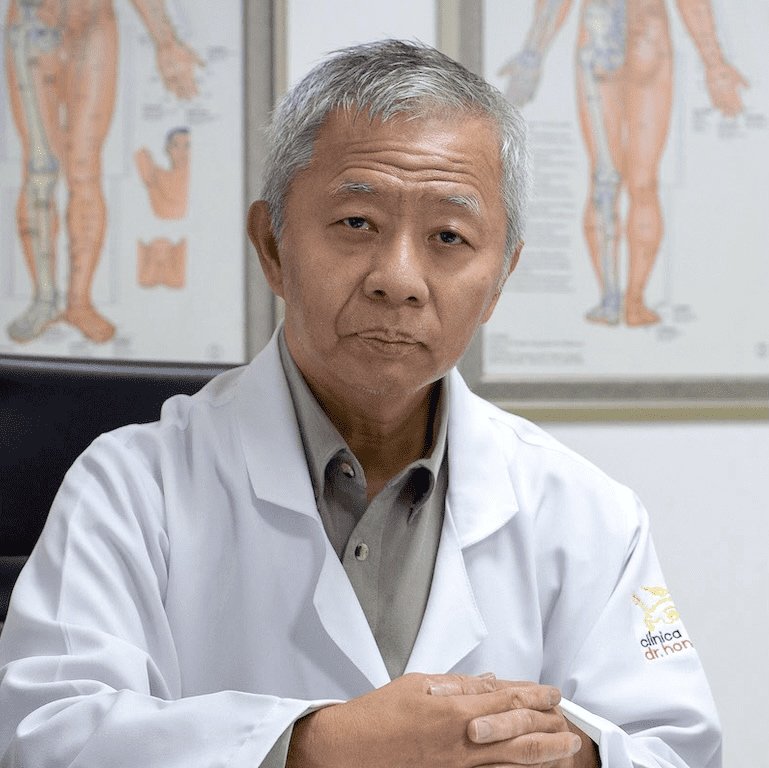
Expert Commentary
Prof. Dr. Hong Jin Pai
PhD in Sciences, University of São Paulo
▸ Clinical Relevance
The work by Lim et al. consolidates, at a mechanistic level, what experienced clinicians have already observed empirically: stimulation of ST-36 exerts systemic effects that go far beyond the local segmental territory. The demonstration that vagotomy abolished 85% of the anti-inflammatory effects of acupuncture anchors the so-called cholinergic anti-inflammatory reflex in a traceable neurobiological chain — brainstem, vagus nerve, spleen, splenic macrophages. For the physician treating rheumatoid arthritis, inflammatory bowel disease, or chronic pain syndromes with a relevant neuroinflammatory component, this autonomic pathway becomes a rationally justified therapeutic target. Patients with chronic sympathetic hyperactivity, reduced vagal tone, and chronically elevated inflammatory markers represent the profile most directly benefited by this approach, making ST-36 a point of choice with robust physiological grounding.
▸ Notable Findings
The 60% reduction in TNF-α levels in splenic tissue — greater than the 45% drop observed in serum — suggests that the spleen is not a mere bystander but rather a central effector organ of the anti-inflammatory reflex activated by acupuncture. Even more relevant is the asymmetry between manual acupuncture and electroacupuncture in conscious animals: while manual needling maintained its TNF-α-suppressive effects, electroacupuncture paradoxically increased the cytokine in this condition, pointing to interference of the stress axis with the electrical response. The identification of glutamatergic and purinergic receptors in the dorsal vagal complex as mediators of acupuncture signal transmission adds a layer of neurochemical sophistication that converses with the entire literature on central pain processing and neuroimmunomodulation.
▸ From My Experience
In my practice at the HC-FMUSP Pain Center, ST-36 is part of virtually every protocol in which autonomic modulation is a priority — from fibromyalgia to inflammatory joint diseases. I usually observe the first signs of systemic improvement, such as reduced fatigue and diffuse pain intensity, between the third and fifth sessions, with consolidation of the clinical anti-inflammatory effect around the eighth to twelfth sessions in patients with chronic baseline inflammation. The finding on electroacupuncture in conscious animals resonates with something I have observed over the years: very anxious patients or those with markedly elevated sympathetic tone often tolerate higher frequencies of electroacupuncture poorly in the initial phase of treatment, responding better to manual needling until greater familiarity and autonomic relaxation are established. In this profile, I introduce electroacupuncture gradually, generally after the fourth or fifth session. Combination with autonomic regulation techniques — guided diaphragmatic breathing, postural treatment — potentiates what this work describes as vagal activation, and I have systematized this combination in recent years with consistent results.
Full original article
Read the full scientific study
PLoS ONE · 2016
DOI: 10.1371/journal.pone.0151882
Access original articleScientific Review

Marcus Yu Bin Pai, MD, PhD
CRM-SP: 158074 | RQE: 65523 · 65524 · 655241
PhD in Health Sciences, University of São Paulo. Board-certified in Pain Medicine, Physical Medicine and Rehabilitation, and Medical Acupuncture. Scientific review and curation of every entry in this library.
Learn more about the author →Medical disclaimer: This content is for educational purposes only and does not replace consultation, diagnosis, or treatment by a qualified professional. Some information may be assisted by artificial intelligence and is subject to inaccuracies. Always consult a physician.
Content reviewed by the medical team at CEIMEC — Integrated Centre for Chinese Medicine Studies, a reference in Medical Acupuncture for over 30 years.
Related articles
Based on this article’s categories