Acupuncture and Traditional Chinese Medicine for Hot Flushes in Menopause: A Randomized Trial
Baccetti et al. · The Journal of Alternative and Complementary Medicine · 2014
Evidence Level
MODERATEOBJECTIVE
Evaluate the effects of acupuncture on hot flushes and other menopausal symptoms using an integrated system with diet and Tuina self-massage
WHO
100 women in spontaneous menopause with at least 3 daily episodes of hot flushes
DURATION
6 weeks of treatment with 4 months of follow-up
POINTS
GV-23, CV-22, BL-2, LI-11, LI-4, SP-10, SP-6, GV-20, CV-4, CV-6, ST-37, LR-3 with differentiated electrostimulation
🔬 Study Design
Group A (Immediate Treatment)
n=50
TCM diet + self-massage + acupuncture from the start
Group B (Control)
n=50
TCM diet + self-massage; acupuncture after 6 weeks
📊 Results in numbers
Hot flush reduction (Group A vs B)
Improvement in sudden sweating
Significant overall improvement (Group A)
Improvement in menopausal symptoms (Group A)
Statistical significance
Percentage highlights
📊 Outcome Comparison
Improvement in Hot Flushes (reduction points)
Perception of Overall Improvement
This study shows that acupuncture, combined with dietary guidance and self-massage, can be an effective alternative for women suffering from menopausal hot flushes. The treatment was shown to significantly reduce not only hot flushes but also other symptoms such as sleep disturbances, irritability, and vaginal dryness, offering a safe option for those who cannot or do not want to use hormones.
Article summary
Plain-language narrative summary
This randomized controlled trial investigated the efficacy of an integrated Traditional Chinese Medicine system to treat menopausal hot flushes and associated symptoms. Conducted in Italy between 2005 and 2008, the study included 100 women in spontaneous menopause (45-56 years) who experienced at least three daily episodes of hot flushes. Participants were randomized into two groups: Group A immediately received complete treatment (TCM-based diet, Tuina self-massage, and acupuncture), while Group B initially received only diet and self-massage, with acupuncture starting after 6 weeks. The acupuncture protocol consisted of 12 sessions over 6 weeks, using specific points such as GV-23, CV-22, BL-2, LI-11, LI-4, SP-10, SP-6, GV-20, CV-4, CV-6, ST-37, and LR-3, with differentiated electrostimulation (dispersion at 100 Hz and tonification at 40 Hz).
Additionally, seven-star (plum-blossom) needle therapy was applied to the dorsal C7-T5 region. The diet was personalized according to TCM yin-yang principles, with most participants receiving foods of yin nature to balance the yang symptoms of hot flushes. Results demonstrated statistically significant improvements (p < 0.001) in Group A compared with Group B for hot flushes, sudden sweating, sleep disturbances, irritability, bone pain, depression, headache, chest pain, memory loss, vaginal dryness, skin changes, urinary problems, and genital pruritus. Group A showed an average reduction of 1.3 points in hot flushes and 1.2 points in sudden sweating compared with the control group.
Notably, 82% of women in Group A reported overall improvement in health (40% definitive improvement, 42% mild improvement), while 86% of Group B reported no change. Specifically for menopausal symptoms, 94% of Group A reported improvement (64% definitive, 30% mild) versus only 8% of Group B. At 4-month follow-up, most benefits were maintained, except for vaginal dryness, which showed some regression. The study suggests that diet and self-massage alone were not sufficient to significantly relieve symptoms, indicating that acupuncture was the principal therapeutic component.
Proposed mechanisms include effects on the hypothalamic-pituitary-ovarian axis, modulation of neurotransmitters such as serotonin and β-endorphins, and regulation of nocturnal melatonin secretion. Limitations include the non-blind control design and the inability to determine which specific component of acupuncture (particular points, electrostimulation, or plum-blossom therapy) contributed most to the results. This study provides robust evidence for acupuncture as an integrated treatment for menopausal symptoms, especially relevant for women who cannot use hormone therapy because of oncologic risks or medical contraindications.
Strengths
- 1Well-structured randomized controlled design
- 2Integrated TCM system with a holistic approach
- 34-month follow-up to evaluate durability
- 4Comprehensive assessment of multiple menopausal symptoms
- 5Well-defined acupuncture protocol based on TCM theory
Limitations
- 1Inability to perform blinding because of the nature of the intervention
- 2Control group did not receive sham acupuncture
- 3Difficulty isolating specific effects of each treatment component
- 4Sample limited to a specific region of Italy
- 5Some improvements were not fully maintained at follow-up
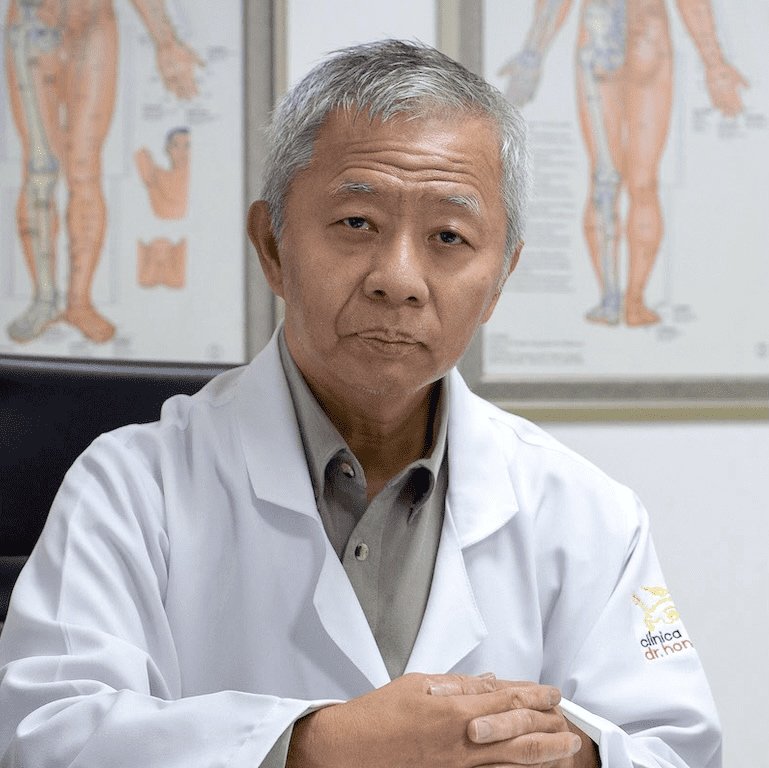
Expert Commentary
Prof. Dr. Hong Jin Pai
PhD in Sciences, University of São Paulo
▸ Clinical Relevance
The management of hot flushes in menopause remains one of the greatest challenges in clinical gynecology, particularly for women with contraindications to hormone therapy—breast cancer survivors, patients with thrombophilias, or simply those refractory to conventional treatment. The work by Baccetti et al. positions acupuncture not as a last-resort measure but as a structured primary intervention, with a reproducible protocol based on specific points and differentiated electrostimulation. The 94% improvement in climacteric symptoms in the treated group, with statistical significance of p < 0.001, offers a solid basis for incorporating this integrated model into the care pathway. The simultaneous approach to hot flushes, sleep disturbances, irritability, vaginal dryness, and mood makes the protocol especially relevant for the patient who presents to the clinic with full climacteric syndrome, not just an isolated complaint of flushes.
▸ Notable Findings
The most striking finding of this trial is the clarity with which the control group—which received TCM diet and Tuina self-massage without acupuncture during the first six weeks—showed no change in 86% of participants, while the group that received acupuncture from the outset achieved 82% overall improvement. This pragmatic separation between the arms, although not a classic sham control, functionally indicates that acupuncture was the determining therapeutic component. The protocol used electrostimulation at two distinct frequencies—dispersion at 100 Hz and tonification at 40 Hz—reflecting the logic of classical Chinese medicine of depleting yang excess and strengthening kidney yin, which corresponds mechanistically to modulation of β-endorphins and serotonin, recognized mediators in hypothalamic thermoregulation. Maintenance of benefits over four months of follow-up, with regression only of vaginal dryness, points to clinically relevant durability.
▸ From My Experience
In my practice with climacteric patients at the Pain Center of HC-FMUSP, I have observed that the speed of response for hot flushes is among the fastest we encounter in acupuncture—we usually see perceptible reduction by the third or fourth session, which is fundamental for adherence. In general, I work with cycles of ten to twelve sessions in the acute phase, followed by monthly maintenance for three to six months, especially in oncology patients on tamoxifen or aromatase inhibitors, where hormone therapy is absolutely prohibited and hot flushes are often more intense. I routinely combine systemic acupuncture with auriculotherapy and, when available, prescribe isoflavones according to individual profile. The profile that responds best, in my experience, is the woman between 48 and 56 years old with a kidney yin deficiency pattern—predominant nocturnal flushes, sweating, early-morning insomnia, and dry tongue—exactly the majority population of this study. I never indicate acupuncture alone when there is associated major depressive syndrome; in those cases, psychiatric evaluation precedes the protocol.
Full original article
Read the full scientific study
The Journal of Alternative and Complementary Medicine · 2014
DOI: 10.1089/acm.2012.0499
Access original articleScientific Review

Marcus Yu Bin Pai, MD, PhD
CRM-SP: 158074 | RQE: 65523 · 65524 · 655241
PhD in Health Sciences, University of São Paulo. Board-certified in Pain Medicine, Physical Medicine and Rehabilitation, and Medical Acupuncture. Scientific review and curation of every entry in this library.
Learn more about the author →Medical disclaimer: This content is for educational purposes only and does not replace consultation, diagnosis, or treatment by a qualified professional. Some information may be assisted by artificial intelligence and is subject to inaccuracies. Always consult a physician.
Content reviewed by the medical team at CEIMEC — Integrated Centre for Chinese Medicine Studies, a reference in Medical Acupuncture for over 30 years.
Related articles
Based on this article’s categories