The efficacy and mechanism of acupuncture in the treatment of male infertility: A literature review
Feng et al. · Frontiers in Endocrinology · 2022
Evidence Level
MODERATEOBJECTIVE
Analyze the efficacy and mechanisms of acupuncture in the treatment of male infertility through a literature review
WHO
Men with infertility of various etiologies, including oligoasthenozoospermia, varicocele, and sexual dysfunction
DURATION
Review of studies from January 1985 to January 2022
POINTS
CV-4 (Guanyuan 关元), BL-23 (Shenshu 肾俞), GV-4 (Mingmen 命门), SP-6 (Sanyinjiao 三阴交), KI-3 (Taixi 太溪), ST-36 (Zusanli 足三里)
🔬 Study Design
Systematic review
n=0
Analysis of studies on acupuncture for male infertility
📊 Results in numbers
Improvement in sperm motility
Increase in sperm concentration
Reduction in FSH and LH levels
Improvement in sexual function
Percentage highlights
📊 Outcome Comparison
Efficacy vs. placebo
This study shows that acupuncture may be a safe and effective option for men with fertility problems. The ancient technique can improve sperm quality, regulate hormones, and treat sexual dysfunctions that affect the ability to have children, offering an alternative with few adverse effects compared with conventional treatments.
Article summary
Plain-language narrative summary
Male infertility has become a growing public health concern, affecting approximately 50% of couples with reproductive difficulties. This problem not only impacts the chances of reproduction but may also serve as an early indicator of other health conditions, including cardiovascular and metabolic disorders and even increased mortality risk. With the implementation of family expansion policies in several countries, the social and economic pressure on couples facing fertility problems has intensified significantly. Conventional treatments for male infertility, although available, often present important limitations in terms of efficacy, high cost, and adverse effects, leading many patients to seek complementary approaches such as acupuncture.
This study is a comprehensive review of the scientific literature on the use of acupuncture in the treatment of male infertility, analyzing both the efficacy and the mechanisms of action involved. The researchers conducted a systematic search in two important databases, PubMed and CNKI, covering studies published between January 1985 and January 2022. The methodology included the analysis of different types of scientific studies, ranging from controlled clinical trials to animal experiments, meta-analyses, and systematic reviews. The search terms used were broad and specific, including "male infertility," "oligoasthenozoospermia," "varicocele," "erectile dysfunction," "premature ejaculation," "genital inflammation," and various acupuncture modalities such as electroacupuncture and transcutaneous electrical acupoint stimulation.
The results of the review demonstrate promising evidence on the efficacy of acupuncture across multiple aspects of male infertility. With regard to semen parameters, which are considered fundamental indicators of male fertility, several studies have shown that acupuncture can significantly improve sperm concentration, motility, and morphology. A prospective controlled study found significant increases in virtually all semen parameters after acupuncture treatment, including total functional sperm fraction, percent viability, and axoneme integrity. Other studies have demonstrated that both low-frequency and high-frequency electrical stimulation can improve sperm motility in patients with asthenozoospermia.
The mechanisms by which acupuncture improves semen quality appear to involve regulation of several molecular pathways, including modulation of cytoskeletal proteins of Sertoli cells and improvement in germ cell proliferation with reduced apoptosis.
In the treatment of varicocele, one of the most common and treatable causes of male infertility, acupuncture has shown results comparable to those of surgery. A randomized study directly compared the efficacy of acupuncture with subinguinal microsurgical varicocelectomy, finding that the increase in sperm concentration was significantly greater in the acupuncture group, with equivalent pregnancy rates in both groups. The proposed mechanisms include improvement of testicular blood flow, reduction of scrotal temperature through heat exchange in the pampiniform plexus, and disruption of peroxidation processes. Experimental studies have demonstrated that acupuncture can significantly increase the activity of antioxidant enzymes such as superoxide dismutase and catalase, while decreasing the levels of harmful oxidative substances such as malondialdehyde and nitric oxide in testicular tissue.
For reproductive system infections, which affect 12% to 35% of infertile men, acupuncture has shown benefits both in symptoms and in semen parameters. A large study with 440 men with prostatitis demonstrated that eight weeks of acupuncture treatment significantly improved urinary symptoms, pain, and sexual function, with an efficacy rate of 60.6%. The anti-inflammatory mechanisms of acupuncture appear to involve inhibition of cyclooxygenase synthesis and reduction of inflammatory factors such as TNF-α and IL-1β. With regard to male sexual dysfunctions, including erectile dysfunction and premature ejaculation, several studies have demonstrated that acupuncture may be superior to placebo.
A prospective randomized study showed that 68.4% of patients with psychogenic erectile dysfunction responded satisfactorily to acupuncture, compared with only 9% in the placebo group.
The clinical implications of these findings are significant for both patients and health care professionals. For patients, acupuncture represents a safe therapeutic option, with few adverse effects and relatively low cost compared with conventional treatments. The review identified six main acupoints frequently used in the treatment of male infertility: Guanyuan (CV-4), Shenshu (BL-23), Mingmen (GV-4), Sanyinjiao (SP-6), Taixi (KI-3), and Zusanli (ST-36). These points can be adapted according to different diagnostic patterns of traditional Chinese medicine.
For health care professionals, the evidence suggests that acupuncture may be considered as adjunctive or alternative therapy, especially in cases where conventional treatments are contraindicated, ineffective, or cause significant adverse effects. The combination of acupuncture with conventional therapies may potentiate therapeutic outcomes, offering an integrative approach to the treatment of male infertility.
However, the review also identifies important limitations in the current evidence. Many of the studies analyzed had small sample sizes, lack of adequate blinding, or non-randomized methodological designs, which may compromise the reliability of the results. There is also controversy in the literature, with some studies finding no statistically significant differences between acupuncture and sham acupuncture in in vitro fertilization outcomes. A recent meta-analysis suggested that acupuncture alone does not show clear superiority over medications or sham acupuncture in improving semen quality.
In addition, there is an inherent tension between the standardization required for rigorous clinical trials and the traditional individualized approach of Chinese medicine, where acupoint selection is based on diagnostic patterns specific to each patient.
In conclusion, although current evidence suggests that acupuncture may be beneficial for several aspects of male infertility, including improvement of semen parameters, treatment of varicocele, and management of sexual dysfunctions, more rigorous studies with greater statistical power are still needed. Acupuncture appears to be a safe and potentially effective option, especially when used as complementary therapy alongside conventional treatments. Future research should focus on randomized controlled clinical trials with larger samples, better blinding, and more robust methodology to provide definitive evidence on the role of acupuncture in the treatment of male infertility. In the meantime, health care professionals may consider
Strengths
- 1Comprehensive review of 37 years of research
- 2Analysis of multiple mechanisms of action
- 3Inclusion of different acupuncture techniques
- 4Treatment safety assessment
Limitations
- 1Most studies with small samples
- 2Lack of standardization in treatment protocols
- 3Need for more controlled clinical trials
- 4Methodological heterogeneity among studies
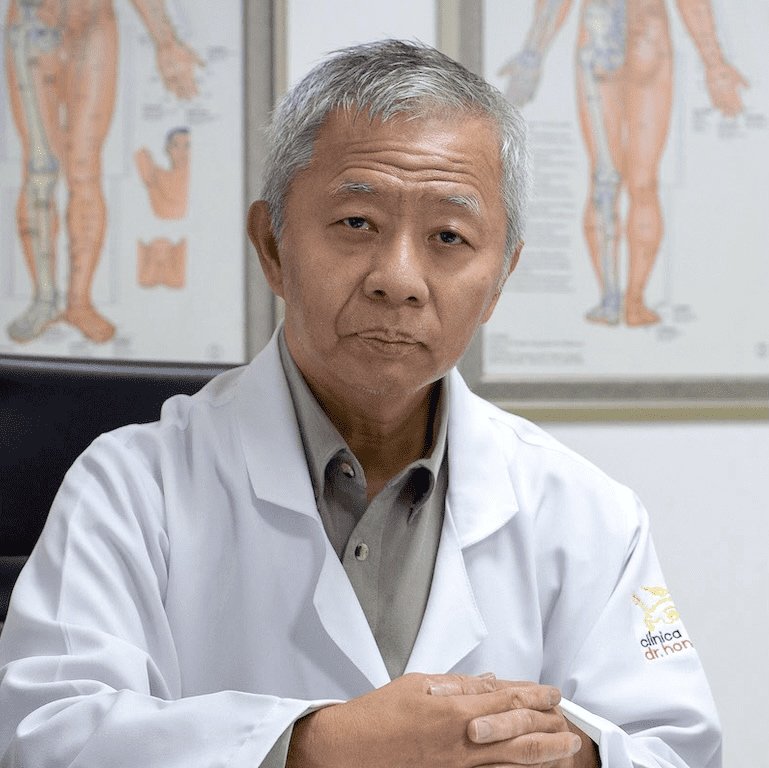
Expert Commentary
Prof. Dr. Hong Jin Pai
PhD in Sciences, University of São Paulo
▸ Clinical Relevance
Male infertility accounts for approximately half of cases in couples with reproductive difficulty, and the conventional therapeutic arsenal — gonadotropin inducers, oral antioxidants, varicocele surgery — frequently runs into limitations of efficacy, cost, and tolerability. This 37-year literature review offers the clinician a structured synthesis of the role of acupuncture across four distinct clinical fronts: improvement of semen parameters, management of varicocele, control of reproductive tract infections, and treatment of sexual dysfunctions. The most immediate application scenario is the patient with moderate oligoasthenozoospermia who refuses or does not tolerate prolonged pharmacotherapy, or one in an assisted reproduction protocol seeking to optimize semen quality prior to collection. The integration of acupuncture into conventional urologic or andrologic follow-up, as an adjunctive and not substitutive strategy, is the model that best translates the findings of this review into daily clinical practice.
▸ Notable Findings
Two findings deserve particular attention. The first is the direct comparison between acupuncture and subinguinal microsurgical varicocelectomy, in which sperm concentration increased significantly more in the acupuncture group, with equivalent pregnancy rates between groups — a result few would expect and one that redirects attention to local hemodynamic and antioxidant mechanisms, specifically the elevation of superoxide dismutase and catalase with reduction of malondialdehyde in testicular tissue. The second is the rate of 68.4% satisfactory response in psychogenic erectile dysfunction with acupuncture versus 9% in the placebo group, a difference of magnitude rarely seen in comparative studies of nonpharmacologic interventions in this condition. In the hormonal field, the regulation of FSH and LH levels suggests central action, possibly through modulation of the hypothalamic-pituitary axis, opening a relevant mechanistic perspective for cases of hypergonadotropic hypogonadism.
▸ From My Experience
In my practice at the Acupuncture Group of the Pain Center of HC-FMUSP, we have been treating infertile men referred mainly by andrology and human reproduction services, and what we have observed over decades is quite consistent with what this review organizes. Patients with asthenozoospermia and grade I or II varicocele tend to show response in semen parameters after 8 to 12 sessions, and I usually recommend repeating the semen analysis after this initial block before deciding on maintenance. The protocol we typically use is anchored precisely on the points Guanyuan (CV-4), Shenshu (BL-23), and Sanyinjiao (SP-6), adapted according to the pattern of Kidney deficiency that predominates in most of these patients according to traditional Chinese medicine. We frequently combine this with guidance on lifestyle habits — reduction of scrotal heat exposure, modulation of oxidative stress through diet — and in cases of psychogenic erectile dysfunction we combine with supportive psychotherapeutic approach. The profile that responds best, in my experience, is the young patient, without a defined obstructive factor, with a predominantly functional diagnosis and good adherence to weekly treatment.
Full original article
Read the full scientific study
Frontiers in Endocrinology · 2022
DOI: 10.3389/fendo.2022.1009537
Access original articleScientific Review

Marcus Yu Bin Pai, MD, PhD
CRM-SP: 158074 | RQE: 65523 · 65524 · 655241
PhD in Health Sciences, University of São Paulo. Board-certified in Pain Medicine, Physical Medicine and Rehabilitation, and Medical Acupuncture. Scientific review and curation of every entry in this library.
Learn more about the author →Medical disclaimer: This content is for educational purposes only and does not replace consultation, diagnosis, or treatment by a qualified professional. Some information may be assisted by artificial intelligence and is subject to inaccuracies. Always consult a physician.
Content reviewed by the medical team at CEIMEC — Integrated Centre for Chinese Medicine Studies, a reference in Medical Acupuncture for over 30 years.
Related articles
Based on this article’s categories