Underlying mechanisms of acupuncture therapy on polycystic ovary syndrome: Evidences from animal and clinical studies
Ye et al. · Frontiers in Endocrinology · 2022
Evidence Level
MODERATEOBJECTIVE
Review the potential mechanisms of acupuncture in the treatment of PCOS, analyzing evidence from animal and clinical studies
WHO
Women with PCOS in clinical studies and animal models of PCOS
DURATION
Literature analysis through July 2022
POINTS
SP-6 (Sanyinjiao 三阴交) and ST-29 (Guilai 归来) were the most commonly used
🔬 Study Design
Clinical studies
n=34
Manual acupuncture or electroacupuncture
Animal studies
n=28
Electroacupuncture in PCOS models
📊 Results in numbers
Improvement in ovulatory dysfunction
Reduction in hyperandrogenism
Improvement in insulin resistance
Reduction in emotional disorders
📊 Outcome Comparison
Main symptoms treated
This review shows that acupuncture may be a promising option for women with PCOS, helping with ovulation problems, hormonal imbalances, and insulin resistance. The studies suggest that acupuncture works by regulating the nervous system and reproductive hormones.
Article summary
Plain-language narrative summary
Polycystic Ovary Syndrome (PCOS) represents one of the most common endocrine conditions among women of reproductive age, affecting up to 15% of this population. This complex syndrome manifests through ovulatory dysfunction, hyperandrogenism (elevated levels of male hormones), and polycystic ovaries, frequently accompanied by insulin resistance, obesity, and metabolic alterations. Beyond reproductive symptoms, PCOS is associated with serious complications such as type 2 diabetes, cardiovascular disease, depression, and pregnancy complications. Current standard treatment includes lifestyle changes, oral medications, and surgical interventions, but the efficacy of these approaches is often unsatisfactory.
Medications such as clomiphene may be ineffective in 40% of patients and cause significant adverse effects, while other treatments also present important limitations.
This study aimed to review the potential mechanisms and scientific evidence for the use of acupuncture in the treatment of PCOS, analyzing the most frequently used acupuncture points. The researchers conducted a comprehensive search in three important medical databases (PubMed, Web of Science, and Scopus) from inception through July 2022. Studies in humans and animals investigating the effects of acupuncture in the treatment of PCOS were included, resulting in 62 final publications being analyzed. Of these, 28 were animal studies and 34 were clinical studies in humans.
The methodology followed strict inclusion and exclusion criteria, limiting itself to English-language studies that used traditional acupuncture or electroacupuncture, excluding other techniques such as moxibustion or transcutaneous electrical stimulation.
The results revealed that acupuncture may influence multiple aspects of PCOS through several biological mechanisms. For ovulatory dysfunction, the principal feature of the syndrome, acupuncture has been shown to improve oocyte quality and embryonic development through the regulation of specific signaling pathways. The treatment appears to normalize hormonal imbalances, specifically between follicle-stimulating hormone (FSH) and anti-Müllerian hormone (AMH), which are fundamental to adequate follicular development. Regarding hyperandrogenism, multiple studies have shown that acupuncture can reduce blood testosterone levels, possibly through modulation of the activity of enzymes responsible for the production of male hormones.
For insulin resistance, a central metabolic problem in PCOS, acupuncture has demonstrated improvement in insulin sensitivity through several molecular pathways, including increased expression of glucose transporter proteins and activation of pathways that facilitate glucose metabolism. The treatment has also shown positive effects on body weight reduction and improvement of the lipid profile. In addition, acupuncture appears to benefit the emotional aspects of the syndrome, reducing anxiety and depression through the regulation of neurotransmitters such as serotonin and norepinephrine.
The clinical implications of these findings are promising for patients and health care professionals. Acupuncture emerges as a potentially valuable therapeutic alternative, especially considering its characteristics of low cost, ease of administration, and favorable safety profile. For patients, this represents a treatment option with fewer adverse effects compared with conventional pharmacologic therapies. The evidence suggests that acupuncture may be particularly useful for improving menstrual regularity, reducing symptoms of anxiety and depression, and aiding metabolic control.
The most frequently used acupuncture points were SP-6 (Sanyinjiao) and ST-29 (Guilai), with the majority of points located in the abdomen and extremities. For health care professionals, these results provide a scientific basis for considering acupuncture as complementary therapy in the integrated management of PCOS, especially in cases where conventional treatments are not fully effective or well tolerated.
However, the study acknowledges important limitations that should be considered. There is considerable heterogeneity among the studies analyzed in terms of animal models used, acupuncture protocols (point selection, frequency, electrical intensity), and main outcomes assessed. Most studies were conducted in different PCOS phenotypes, and although the pathophysiology is similar, there may be differences that limit the universal applicability of the results. In addition, many studies presented methodological limitations, including small sample sizes and variable methodological quality.
Despite the promising evidence, more high-quality randomized clinical trials are still needed to definitively establish the efficacy of acupuncture in PCOS. The exact mechanisms by which acupuncture exerts its effects are still not fully understood, and future research using advanced technologies such as transcriptomic analysis may provide deeper insights. In conclusion, although acupuncture shows significant potential as complementary treatment for PCOS, more research is needed to standardize treatment protocols and confirm its long-term efficacy, allowing its broader integration into evidence-based clinical practice.
Strengths
- 1First comprehensive review including clinical and animal studies
- 2Detailed analysis of mechanisms of action
- 3Identification of the most commonly used acupuncture points
- 4Evidence of multiple therapeutic pathways
Limitations
- 1Heterogeneity in animal models used
- 2Variation in acupuncture techniques and protocols
- 3Variable methodological quality of included studies
- 4Need for more high-quality clinical trials
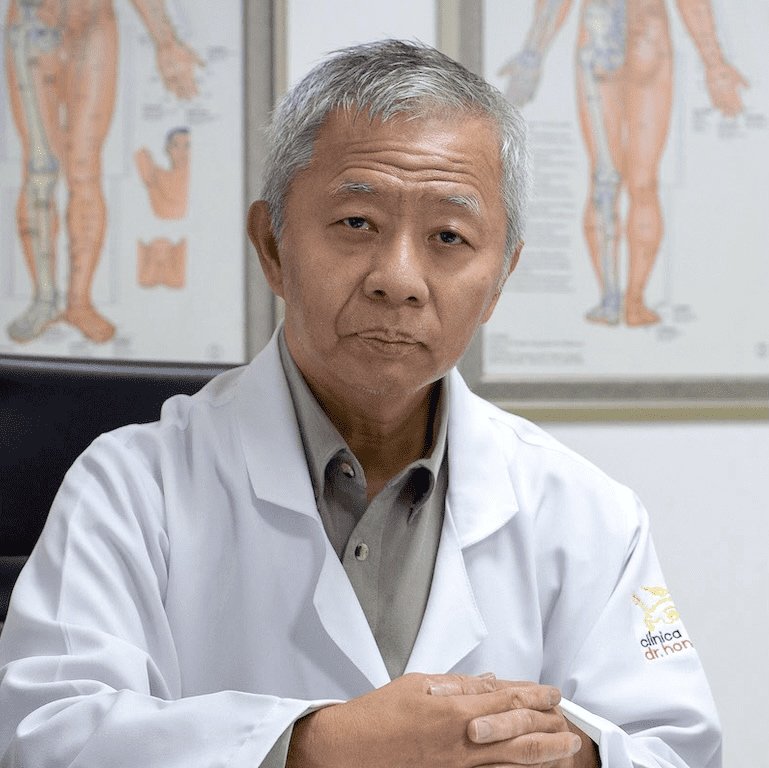
Expert Commentary
Prof. Dr. Hong Jin Pai
PhD in Sciences, University of São Paulo
▸ Clinical Relevance
PCOS affects up to 15% of women of reproductive age and represents one of the most complex therapeutic challenges at the intersection of endocrinology and reproductive gynecology. What this review brings that is most useful for the office is precisely the systematization of mechanisms — not just the observation that acupuncture works, but through which molecular pathways it acts: regulation of the FSH/AMH axis, reduction of testosterone through enzymatic modulation, and improvement of insulin sensitivity through the IRS-1/PI3K/GLUT4 pathway. This shifts the conversation with the endocrinologist and the attending gynecologist, allowing acupuncture to be positioned not as a diffuse alternative but as a neuroendocrine intervention with identifiable targets. The patients who benefit most are those with clomiphene resistance, metformin intolerance, or those with overlapping emotional comorbidities — anxiety and depression — superimposed on the metabolic-reproductive picture.
▸ Notable Findings
Among the findings that deserve special attention is the convergence between animal and clinical data on the reduction of hyperandrogenism — acupuncture appears to modulate the activity of ovarian steroidogenic enzymes, which is mechanistically coherent with what is known about the sympathetic innervation of the ovary and its influence on androgen biosynthesis. Equally relevant is the effect on insulin resistance through increased GLUT4 expression and activation of peripheral metabolic pathways, placing electroacupuncture in a role analogous — although not substitutive — to that of metformin in the metabolic context of PCOS. The mapping of the most commonly used points, with emphasis on SP-6 and ST-29, offers a replicable prescriptive base. The effect on neurotransmitters such as serotonin and norepinephrine, with reduction of anxiety and depression, closes a therapeutic cycle that is rarely covered by a single pharmacologic intervention.
▸ From My Experience
In my practice with patients with PCOS — who frequently arrive at the outpatient clinic after years of dissatisfaction with conventional treatment — I have observed that the response to acupuncture begins to take shape between the third and fifth session, especially with regard to cycle regularization and improvement in mood. For patients with a predominantly metabolic phenotype, I usually combine electroacupuncture with nutritional guidance and supervised aerobic exercise, forming what I consider the tripod of complementary PCOS treatment. The protocol I typically use involves SP-6, ST-29, ST-36, and CV-4, with series of 12 to 16 weekly sessions, followed by biweekly maintenance for an additional three to four months. I do not recommend acupuncture in isolation when there is immediate reproductive desire without adequate pharmacologic coverage. The patient profile that responds best, in my experience, is one with PCOS of mixed phenotype — hyperandrogenic and metabolic — with good adherence to lifestyle changes and who has already tried at least one pharmacologic line without satisfactory response.
Full original article
Read the full scientific study
Frontiers in Endocrinology · 2022
DOI: 10.3389/fendo.2022.1035929
Access original articleScientific Review

Marcus Yu Bin Pai, MD, PhD
CRM-SP: 158074 | RQE: 65523 · 65524 · 655241
PhD in Health Sciences, University of São Paulo. Board-certified in Pain Medicine, Physical Medicine and Rehabilitation, and Medical Acupuncture. Scientific review and curation of every entry in this library.
Learn more about the author →Medical disclaimer: This content is for educational purposes only and does not replace consultation, diagnosis, or treatment by a qualified professional. Some information may be assisted by artificial intelligence and is subject to inaccuracies. Always consult a physician.
Content reviewed by the medical team at CEIMEC — Integrated Centre for Chinese Medicine Studies, a reference in Medical Acupuncture for over 30 years.
Related articles
Based on this article’s categories