The Immunomodulatory Mechanisms for Acupuncture Practice
Wang et al. · Frontiers in Immunology · 2023
Evidence Level
STRONGOBJECTIVE
Review and integrate the immunomodulatory mechanisms of acupuncture
WHO
Analysis of studies in animal and human models
DURATION
Multi-year literature review
POINTS
ST-36 (足三里), LI-4 (合谷), LI-11 (曲池), ST-25 (天樞), BL-13 (肺俞), GV-14 (大椎) and other specific points
🔬 Study Design
Narrative review
n=0
Analysis of immunomodulatory mechanisms of acupuncture
📊 Results in numbers
Mast cell modulation
Macrophage polarization
NK cells
Th1/Th2 balance
Percentage highlights
📊 Outcome Comparison
Innate immune response
This study shows that acupuncture works by naturally strengthening the body's immune system. The technique activates specific defense cells and helps control inflammation, offering a safe and effective approach to treating various conditions related to the immune system.
Article summary
Plain-language narrative summary
This review article represents an important milestone in the scientific understanding of the mechanisms by which acupuncture modulates the immune system. The research, conducted by a team from Fudan University in China, offers a comprehensive analysis of acupuncture's immunomodulatory effects, integrating knowledge from traditional Chinese medicine with modern scientific findings. The study reveals that acupuncture acts through multiple cellular and molecular mechanisms to regulate both innate and adaptive immune responses. In the innate immune system, acupuncture has been shown to modulate mast cells, which are primary defense cells distributed near acupoints.
These cells are activated through TRPV2 channels, releasing mediators such as histamine and serotonin that initiate neurological signaling cascades. The study also documents how acupuncture influences macrophages, promoting the polarization of pro-inflammatory M1 cells to anti-inflammatory M2 cells, a process crucial for resolving inflammation and tissue repair. Natural killer (NK) cells also respond favorably to acupuncture, with a significant increase in their cytotoxic activity against abnormal cells. In the adaptive immune system, acupuncture has been shown to regulate the balance between different subtypes of T helper cells.
Specifically, the technique corrects Th1/Th2 and Th17/Treg imbalances, which are fundamental to maintaining immunological homeostasis. This regulation is particularly relevant in the treatment of allergic diseases such as asthma, where rebalancing these cell subtypes can provide significant symptom relief. The article elucidates several somatosensory-autonomic reflexes through which acupuncture exerts its immunomodulatory effects. The vagal-adrenal pathway, recently discovered, shows how stimulation of the ST-36 acupoint can produce systemic anti-inflammatory effects through the release of dopamine by the adrenal medulla.
The cholinergic anti-inflammatory pathway represents another important mechanism, in which acupuncture activates the vagus nerve to release acetylcholine, which binds to nicotinic receptors on immune cells, inhibiting the production of pro-inflammatory cytokines. The spinal-sympathetic pathway and the brain-gut axis complete the repertoire of identified neuroimmune mechanisms. The clinical implications are vast and promising. The study documents successful applications of acupuncture in conditions such as sepsis, arthritis, inflammatory bowel disease, asthma, and neurological disorders.
Acupuncture's ability to modulate systemic inflammatory responses while strengthening natural defense mechanisms positions it as a valuable complementary therapy for various immunological conditions. The demonstrated safety of acupuncture, with minimal adverse effects reported in clinical trials, reinforces its therapeutic potential. However, the authors acknowledge important limitations. The complexity of acupuncture's multisystem effects makes it challenging to fully understand its interactions.
Many studies focus on isolated systems, resulting in fragmented knowledge. In addition, methodological issues in clinical trials, particularly related to adequate sham controls, remain a challenge for rigorous scientific validation. The article concludes by emphasizing that advances in systems physiology offer unique opportunities to better understand how acupuncture modulates immunity. The holistic approach of traditional Chinese medicine, which emphasizes mobilizing self-healing mechanisms to restore bodily homeostasis, resonates with modern systems physiology approaches that have emerged in Western countries.
This convergence of ancient and modern perspectives suggests a promising future for acupuncture as a scientifically grounded medical practice.
Strengths
- 1Comprehensive review integrating multiple immunomodulatory mechanisms
- 2Detailed analysis of specific neuroanatomical pathways
- 3Integration between traditional knowledge and modern science
- 4Documentation of diverse clinical applications with scientific basis
Limitations
- 1Fragmented knowledge due to focus on isolated systems
- 2Methodological challenges in clinical trials with sham controls
- 3Need for more studies on integrated multisystem effects
- 4Variability in individual response to treatments
Expert Commentary
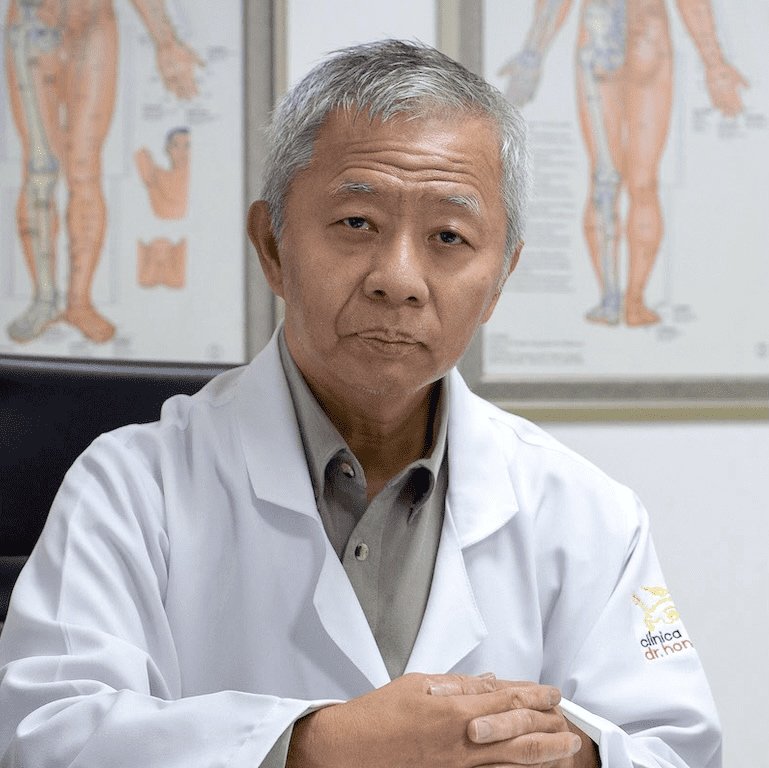
Prof. Dr. Hong Jin Pai
PhD in Sciences, University of São Paulo
▸ Clinical Relevance
Immunomodulation by acupuncture has moved beyond speculation to become a field with concrete mechanistic substrate, and this review by the Fudan team synthesizes that advance with exemplary clarity. For the clinician who treats patients with rheumatoid arthritis, inflammatory bowel disease, asthma, or post-septic states, understanding that ST-36 stimulation can activate the vagal-adrenal axis with dopamine release by the adrenal medulla — generating systemic anti-inflammatory effects — transforms point selection from an empirical exercise into a rationally grounded decision. The polarization of macrophages from M1 to M2 is particularly relevant in the context of low-grade chronic inflammation, increasingly prevalent in our outpatient clinics. The rebalancing of Th1/Th2 and Th17/Treg opens concrete perspectives for populations with atopy, autoimmune diseases in partial remission, and oncology patients receiving integrative support, expanding indications beyond the classic analgesic domain.
▸ Notable Findings
Among the findings that draw the most attention in this review, the characterization of perilesional mast cells near acupoints as primary effector cells — specifically activated via TRPV2 channels and capable of initiating neuroimmune cascades — offers an elegant explanation for the point specificity that clinical practice has always intuited but rarely been able to articulate in molecular terms. Equally notable is the description of the brain-gut axis as an immunomodulatory pathway actionable by acupuncture, connecting findings in dysbiosis, inflammatory bowel disease, and even neurological conditions within the same physiological logic. The increase in NK cell cytotoxic activity represents a finding of enormous interest for support protocols in integrative oncology. The cholinergic anti-inflammatory pathway, with vagal activation and inhibition of pro-inflammatory cytokines via nicotinic receptors, was, for me, the mechanism that best unifies the classic Traditional Chinese Medicine concept of homeostatic regulation with contemporary neurophysiology.
▸ From My Experience
At the Acupuncture Group of the Pain Center of HC-FMUSP, we have followed over decades a subgroup of patients who do not fit only the pain profile — they have systemic inflammatory diseases, irritable bowel syndrome with immune component, or neoplasms receiving palliative support, and they report improvement in fatigue, frequency of respiratory infections, and sleep quality after acupuncture series. Now I better understand the substrate of these reports. I typically observe immunomodulatory responses perceptible to the patient — such as reduction in inflammatory episodes or improvement in seasonal allergic pattern — starting at the fifth or sixth session, with consolidation between the tenth and twelfth. I routinely combine ST-36, SP-6, and LI-4 in these protocols, precisely because of the effects described on the vagal-adrenal axis and Th regulation. The profile that responds best, in my experience, is the patient with moderate chronic inflammation, not yet on intensive pharmacological immunosuppression — when high-dose corticosteroid therapy is in place, the effects are more subtle and difficult to isolate clinically.
Full original article
Read the full scientific study
Frontiers in Immunology · 2023
DOI: 10.3389/fimmu.2023.1147718
Access original articleScientific Review

Marcus Yu Bin Pai, MD, PhD
CRM-SP: 158074 | RQE: 65523 · 65524 · 655241
PhD in Health Sciences, University of São Paulo. Board-certified in Pain Medicine, Physical Medicine and Rehabilitation, and Medical Acupuncture. Scientific review and curation of every entry in this library.
Learn more about the author →Medical disclaimer: This content is for educational purposes only and does not replace consultation, diagnosis, or treatment by a qualified professional. Some information may be assisted by artificial intelligence and is subject to inaccuracies. Always consult a physician.
Content reviewed by the medical team at CEIMEC — Integrated Centre for Chinese Medicine Studies, a reference in Medical Acupuncture for over 30 years.
Related articles
Based on this article’s categories