Acupuncture ameliorates breast cancer-related fatigue by regulating the gut microbiota-gut-brain axis
Lv et al. · Frontiers in Endocrinology · 2022
Evidence Level
MODERATEOBJECTIVE
Investigate how acupuncture alleviates breast cancer-related fatigue through the microbiota-gut-brain axis
WHO
Female mice with breast cancer undergoing chemotherapy
DURATION
14 days of acupuncture treatment
POINTS
ST-36, SP-6, CV-4, CV-6, and GV-20
🔬 Study Design
Control
n=10
no intervention
Model
n=10
tumor + chemotherapy
Acupuncture
n=10
tumor + chemo + acupuncture
Sham
n=10
tumor + chemo + sham acupuncture
📊 Results in numbers
Reduction in immobility time in the swim test
Increase in Lactobacillus abundance
Improvement in intestinal junction proteins
Reduction in pro-inflammatory cytokines
Percentage highlights
📊 Outcome Comparison
Fatigue behavior (immobility time)
This study showed that acupuncture can significantly help reduce fatigue caused by breast cancer treatment. The treatment worked by improving gut health, reducing inflammation, and regulating communication between the gut and the brain.
Article summary
Plain-language narrative summary
This study investigates one of the most challenging side effects of cancer treatment: cancer-related fatigue. This condition affects up to 100% of breast cancer patients who receive chemotherapy, causing persistent and profound tiredness that does not improve with rest. Unlike ordinary fatigue, this fatigue significantly compromises quality of life, affecting physical, emotional, and cognitive aspects. The problem becomes even more relevant considering that breast cancer is the most common cancer among women worldwide, and current treatments for this fatigue are limited.
Chinese researchers developed an experimental study to investigate how acupuncture can alleviate this fatigue through a fascinating mechanism: the gut-brain axis. This concept represents a complex communication network between our gut and our brain, mediated mainly by the bacteria that naturally live in our digestive system. The study used female mice that received breast cancer cells and subsequently chemotherapy treatment to simulate the human condition. After developing fatigue-like symptoms, the animals were divided into groups to receive real acupuncture, sham acupuncture, or no additional treatment.
The acupuncture treatment was applied at five specific points known for their anti-fatigue properties: Zusanli, Sanyinjiao, Guanyuan, Qihai, and Baihui. The treatment lasted 14 consecutive days, with daily 30-minute sessions. To evaluate the effects, the researchers performed behavioral tests that measure the animals' endurance and motivation, detailed analyses of gut bacteria, examination of blood chemistry, and assessment of inflammation markers in both the gut and the brain.
The results were impressive and revealed multiple benefits of acupuncture. In the behavioral tests, the animals treated with acupuncture showed fewer signs of fatigue, remaining active for longer during forced exercise and exploring their environment more actively. The analysis of gut bacteria showed that acupuncture restored the balance of the intestinal flora, increasing beneficial bacteria such as Lactobacillus and Candidatus Arthromitus while reducing potentially harmful bacteria such as Escherichia-Shigella and Streptococcus. This rebalancing is fundamental because gut bacteria directly influence our energy, mood, and brain function.
The study also demonstrated that acupuncture strengthened the intestinal barrier, a crucial structure that controls what passes from the gut into the bloodstream. When this barrier is compromised by chemotherapy, inflammatory substances may leak into the blood and cause systemic inflammation. Acupuncture increased the production of specialized proteins that maintain the integrity of this barrier, significantly reducing inflammation in both the gut and the brain. In addition, the treatment normalized the functioning of the hypothalamic-pituitary-adrenal axis, a hormonal system crucial to our stress response and energy regulation.
Blood chemistry analysis revealed that acupuncture modified the profile of chemical substances called metabolites, restoring molecules important for brain function and energy production, including serotonin, which is directly related to well-being and mood. The researchers identified specific metabolic pathways involved in the synthesis of amino acids essential for neurological function, such as phenylalanine, tyrosine, and tryptophan.
For breast cancer patients, these findings offer real hope for a problem that often persists long after treatment ends. Acupuncture emerges as a safe and effective therapeutic option that can be used together with conventional treatments. For healthcare professionals, the study provides robust scientific evidence about the mechanisms by which acupuncture works, validating its clinical use and guiding more effective treatment protocols.
The study has some important limitations that should be considered. First, it was performed only in animal models, and human clinical trials are needed to confirm these benefits. Second, the researchers did not analyze metabolites directly in the intestinal contents, which could provide additional information about the mechanisms involved. Third, other brain markers related to fatigue were not investigated, limiting our complete understanding of the neurological effects.
This study represents a significant advance in the scientific understanding of acupuncture and paves the way for future research that may validate these findings in human patients. The discovery that acupuncture works through modulation of the gut-brain axis offers a new perspective on how integrative treatments can complement conventional medicine. For thousands of patients facing persistent fatigue after cancer treatment, these findings represent a concrete possibility of recovering quality of life through a millennial therapeutic approach now validated by modern science.
Strengths
- 1Well-established experimental model
- 2Comprehensive analysis of the gut-brain axis
- 3Multiple assessment techniques (behavioral, molecular, microbiota)
- 4Appropriate sham control group
Limitations
- 1Animal study only
- 2Small sample size
- 3Did not assess intestinal metabolites
- 4Requires clinical validation
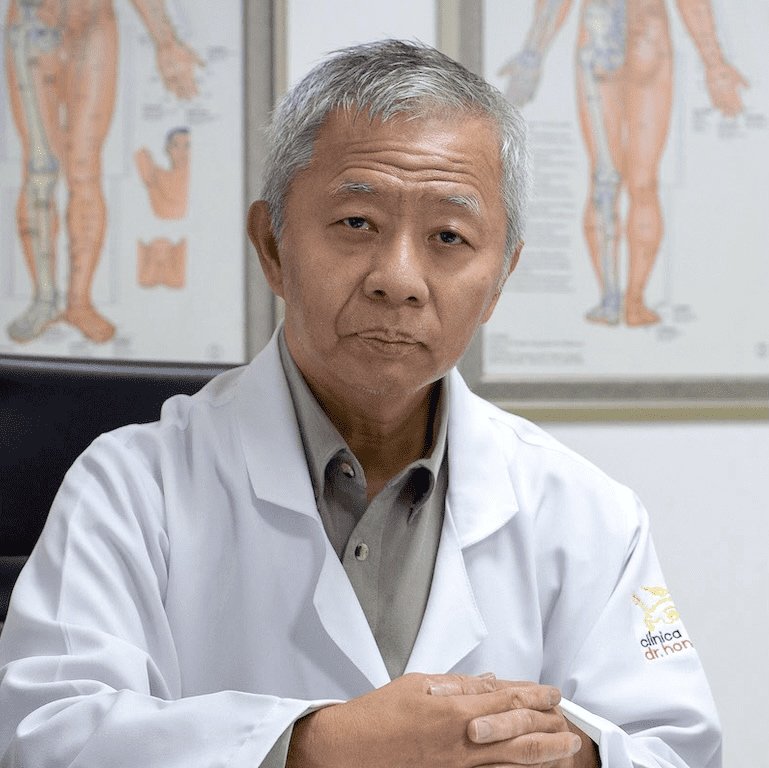
Expert Commentary
Prof. Dr. Hong Jin Pai
PhD in Sciences, University of São Paulo
▸ Clinical Relevance
Cancer-related fatigue is perhaps the most underestimated and poorly managed symptom in all of clinical oncology. It affects virtually all patients undergoing chemotherapy for breast cancer, persists for months after treatment ends, and responds frustratingly poorly to available pharmacological resources. What this work brings of concrete value is the mechanistic demonstration that acupuncture acts on the gut-brain axis — restoring intestinal microbiota, strengthening the epithelial barrier, and reducing neuroinflammation — offering a solid biological basis for integrating acupuncture into oncologic supportive protocols. The clinical scenario of immediate application is the patient on adjuvant chemotherapy who reports disproportionate exhaustion, brain fog, and concomitant gastrointestinal dysfunction, an extremely common profile in oncology outpatient clinics. The identification of the points Zusanli, Sanyinjiao, Guanyuan, Qihai, and Baihui as an anti-fatigue protocol gives the acupuncturist a direct and reproducible technical reference.
▸ Notable Findings
The most robust and conceptually relevant finding is the demonstration that acupuncture reverses chemotherapy-induced dysbiosis, with an increase in Lactobacillus and Candidatus Arthromitus and a reduction in Escherichia-Shigella and Streptococcus — a reorganization that correlated with objective behavioral improvement in forced swim tests. This datum is notable because it positions acupuncture as a modulator of the intestinal ecosystem, and not just as an analgesic or anxiolytic intervention. Equally relevant is the restoration of intestinal junction proteins, since the intestinal permeability increased by chemotherapy feeds a cycle of endotoxemia and neuroinflammation that contributes directly to central fatigue. Normalization of the hypothalamic-pituitary-adrenal axis and recovery of serotonergic metabolites and aromatic amino acids — phenylalanine, tyrosine, tryptophan — close a mechanistic circuit that goes from the gut bacterium to the neurotransmitter, giving impressive biological coherence to the overall results.
▸ From My Experience
In my practice at the Pain Center at HC-FMUSP, I have followed oncology patients for decades, and post-chemotherapy fatigue is an almost universal complaint that frequently motivates referral to acupuncture when conventional resources are exhausted. I have observed that breast cancer patients on chemotherapy begin to report subjective improvement in energy and mood between the third and fifth sessions, although consolidation of the benefit generally requires eight to twelve sessions. I usually combine Zusanli and Qihai as the anchor of the protocol, adjusting the other points according to the pattern of Qi and Blood deficiency that each patient presents — a very common pattern in this population. The combination with nutritional guidance focused on gut health and, when possible, supervised walking enhances the results in a way I have observed consistently over the years. The finding about the microbiota reinforces something that clinical practice already suggested: patients with prominent gastrointestinal complaints during chemotherapy tend to respond better to acupuncture than those with isolated fatigue, possibly because the gut-brain axis is more explicitly activated in these cases.
Full original article
Read the full scientific study
Frontiers in Endocrinology · 2022
DOI: 10.3389/fendo.2022.921119
Access original articleScientific Review

Marcus Yu Bin Pai, MD, PhD
CRM-SP: 158074 | RQE: 65523 · 65524 · 655241
PhD in Health Sciences, University of São Paulo. Board-certified in Pain Medicine, Physical Medicine and Rehabilitation, and Medical Acupuncture. Scientific review and curation of every entry in this library.
Learn more about the author →Medical disclaimer: This content is for educational purposes only and does not replace consultation, diagnosis, or treatment by a qualified professional. Some information may be assisted by artificial intelligence and is subject to inaccuracies. Always consult a physician.
Content reviewed by the medical team at CEIMEC — Integrated Centre for Chinese Medicine Studies, a reference in Medical Acupuncture for over 30 years.
Related articles
Based on this article’s categories