Efficacy and Safety of Acupuncture on Symptomatic Improvement in Primary Sjögren's Syndrome: A Randomized Controlled Trial
Zhou et al. · Frontiers in Medicine · 2022
Evidence Level
MODERATEOBJECTIVE
Evaluate whether acupuncture improves the main symptoms of primary Sjögren's syndrome: dryness, pain, and fatigue
WHO
120 patients with primary Sjögren's syndrome
DURATION
8 weeks of treatment + 16 weeks of follow-up
POINTS
Waiguan (TE-5 外关), Zhaohai (KI-6 照海), Chengjiang (CV-24 承浆), Lianquan (CV-23 廉泉), Taiyang (EX-HN5 太阳), Cuanzhu (BL-2 攒竹), Sizhukong (TE-23 丝竹空), Jiache (ST-6 颊车)
🔬 Study Design
True acupuncture
n=60
Real needling at specific points with manipulation
Sham acupuncture
n=60
Sham needles without deep penetration
📊 Results in numbers
Improvement ≥30% in ≥2 symptoms (acupuncture)
Improvement ≥30% in ≥2 symptoms (sham)
Difference between groups
Improvement in ultrasonographic homogeneity
Percentage highlights
📊 Outcome Comparison
Clinical response rate (≥30% improvement in ≥2 symptoms)
This study investigated whether acupuncture could help patients with Sjögren's syndrome, an autoimmune disease that mainly causes dry mouth and eyes, pain, and fatigue. Unfortunately, acupuncture did not show benefits significantly superior to sham treatment, but there were some interesting improvements in the salivary glands detected by ultrasound.
Article summary
Plain-language narrative summary
Primary Sjögren's syndrome is an autoimmune disease that affects millions of people worldwide, especially women. This condition primarily attacks the glands that produce saliva and tears, causing three main symptoms that significantly impact patients' quality of life: intense dryness of the mouth and eyes, joint pain, and persistent fatigue. Currently, available treatments for this syndrome are limited and frequently fail to provide satisfactory symptom relief. Faced with this unmet medical need, researchers have been investigating alternative therapies, including acupuncture, an ancient Chinese technique that has shown potential in the treatment of various inflammatory and autoimmune conditions.
This randomized clinical trial was conducted at Guang'anmen Hospital in Beijing, China, between March 2016 and September 2018. The researchers evaluated 120 patients diagnosed with primary Sjögren's syndrome, divided equally into two groups of 60 people each. One group received true acupuncture, while the other received sham acupuncture, in which special needles did not effectively penetrate the skin, serving as a placebo. Treatment lasted eight weeks, with sessions three times a week in the first four weeks and twice a week in the following four weeks, totaling twenty sessions.
Patients were followed for an additional sixteen weeks after the end of treatment. The primary objective was to determine whether acupuncture could reduce by at least 30% two of the three main symptoms of the syndrome, using numerical scales from zero to ten points to measure dryness, pain, and fatigue.
The results did not demonstrate significant differences between true and sham acupuncture in relieving the main symptoms. Approximately 28% of patients who received real acupuncture showed at least 30% improvement in two of the three symptoms assessed, compared with 32% in the group receiving sham acupuncture. Both groups showed improvements in symptoms over time, but without statistically significant differences between them. Interestingly, some important biological changes were observed: levels of immunoglobulin G, a marker of immune system activity, showed significant differences between the groups after sixteen weeks of follow-up.
In addition, salivary gland ultrasound examinations revealed greater improvement in the homogeneity of glandular tissue in the group that received true acupuncture, suggesting possible anti-inflammatory effects of the technique. Both groups also showed an increase in unstimulated salivary flow and a reduction in disease activity scores.
For patients with Sjögren's syndrome, these results indicate that, although acupuncture did not prove superior to placebo in relieving the main symptoms, it appears to be safe and may have some beneficial biological effects. The findings of improvement in salivary gland structure and changes in immunological markers suggest that acupuncture may influence the inflammatory processes underlying the disease, even if this does not translate into clinically significant symptomatic relief. For health care professionals, the study highlights the importance of rigorous controlled studies to evaluate complementary therapies. The results also suggest that the placebo effect may be particularly relevant in conditions such as Sjögren's syndrome, where both groups experienced improvements, possibly due to the special attention received during the study.
The study presents some important limitations that must be considered. The use of standardized acupuncture points for all patients may not reflect the actual clinical practice of traditional Chinese medicine, which normally personalizes treatment for each individual. The sham acupuncture may have had some therapeutic effect of its own, since it stimulated the same points as true acupuncture, only without deep skin penetration. In addition, the sample size may have been insufficient to detect smaller but clinically relevant differences between the groups.
The fact that approximately one-third of patients in both groups showed clinically significant improvement suggests that factors such as intensive medical attention, positive expectations, and lifestyle changes during the study may have contributed to the results. Although this specific study did not demonstrate superiority of acupuncture over placebo, it contributes to the scientific knowledge on treatments for Sjögren's syndrome and highlights the need for further research to better understand how different therapies may benefit patients with this challenging condition.
Strengths
- 1Well-controlled study with adequate sham acupuncture
- 2Robust sample of 120 patients
- 3Strict standardized diagnostic criteria
- 4Multiple objective and subjective outcome measures
Limitations
- 1Sham acupuncture may have had therapeutic effects
- 2Fixed acupuncture points without personalization
- 333% dropout rate during follow-up
- 4Possible significant placebo effect in both groups
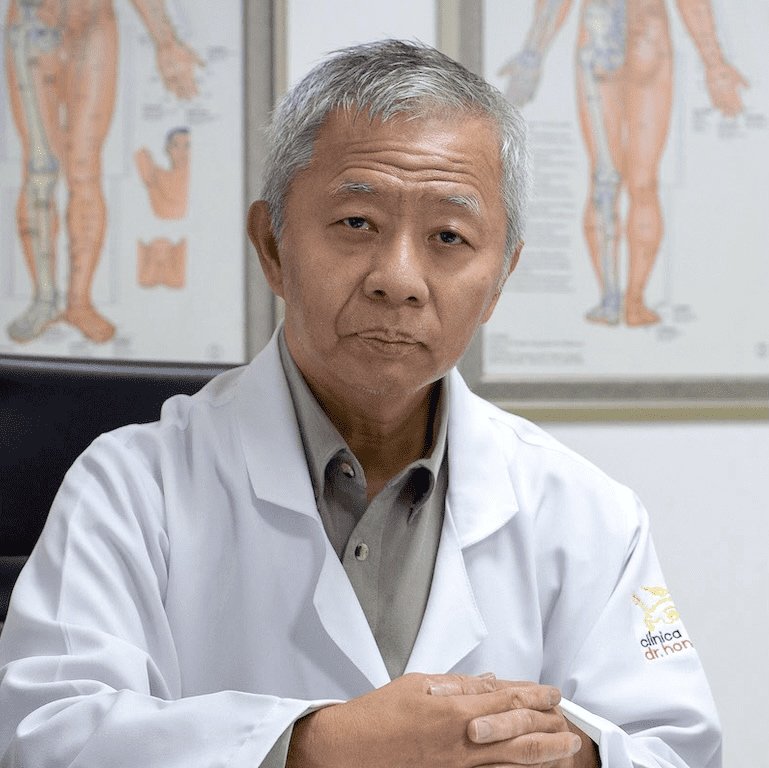
Expert Commentary
Prof. Dr. Hong Jin Pai
PhD in Sciences, University of São Paulo
▸ Clinical Relevance
Primary Sjögren's syndrome represents one of the greatest therapeutic challenges in rheumatology, not only because of the scarcity of disease-modifying options but also because of the persistent symptom burden — xerostomia, xerophthalmia, arthralgia, and fatigue — that progressively erodes the quality of life of a predominantly female population. In this scenario, any intervention that demonstrates safety and at least signs of biological activity deserves careful analysis. The present trial, with 120 patients and standardized diagnostic criteria, offers the rheumatologist and the medical acupuncturist concrete data to guide the conversation with the patient: acupuncture can be incorporated as adjunctive to conventional treatment without additional risk, especially in those who do not tolerate or do not respond adequately to pharmacologic secretory stimulation, configuring it as a valid option for symptomatic support.
▸ Notable Findings
The most noteworthy finding in this trial is not the primary outcome — which did not discriminate true acupuncture from sham — but rather the statistically significant improvement in ultrasonographic homogeneity of the salivary glands in the real acupuncture group (p = 0.0334). This finding points to a measurable tissue effect, dissociated from the subjective perception of improvement, raising the hypothesis that acupuncture exerts local or systemic anti-inflammatory modulation on the exocrine glands, independently of the placebo component. Added to this are the differences in IgG levels observed after 16 weeks of follow-up, suggesting an impact on baseline immunologic activity. The fact that both groups showed an increase in unstimulated salivary flow reinforces that some degree of neuroimmunomodulation may be occurring in both treatment conditions.
▸ From My Experience
In my practice with autoimmune diseases associated with sicca syndrome, I have observed that patients with Sjögren's who seek acupuncture generally arrive after years of dissatisfaction with conventional options. I usually see signs of response — particularly in the complaint of fatigue and oral discomfort — between the fourth and sixth session, with a functional plateau that is established around the twelfth session. The protocol we use at the Pain Center combines local periglandular points, systemic immune modulation points such as LI-4, ST-36, and SP-6, and we frequently combine with laser therapy over the parotids. The ultrasonographic finding of this study resonates with what we observe informally: patients who maintain monthly maintenance acupuncture report a lower frequency of glandular exacerbation episodes. The profile that responds best, in my experience, is that of patients with disease of moderate activity, without severe systemic involvement, and with high adherence to multidisciplinary follow-up.
Full original article
Read the full scientific study
Frontiers in Medicine · 2022
DOI: 10.3389/fmed.2022.878218
Access original articleScientific Review

Marcus Yu Bin Pai, MD, PhD
CRM-SP: 158074 | RQE: 65523 · 65524 · 655241
PhD in Health Sciences, University of São Paulo. Board-certified in Pain Medicine, Physical Medicine and Rehabilitation, and Medical Acupuncture. Scientific review and curation of every entry in this library.
Learn more about the author →Medical disclaimer: This content is for educational purposes only and does not replace consultation, diagnosis, or treatment by a qualified professional. Some information may be assisted by artificial intelligence and is subject to inaccuracies. Always consult a physician.
Content reviewed by the medical team at CEIMEC — Integrated Centre for Chinese Medicine Studies, a reference in Medical Acupuncture for over 30 years.
Related articles
Based on this article’s categories