Baseline Brain Gray Matter Volume as a Predictor of Acupuncture Outcome in Treating Migraine
Yang et al. · Frontiers in Neurology · 2020
Evidence Level
MODERATEOBJECTIVE
Investigate whether pretreatment brain characteristics can predict who will respond better to acupuncture for migraine
WHO
41 patients with migraine without aura
DURATION
4 weeks of treatment with follow-up
POINTS
GV-20 (Baihui 百会), GV-24 (Shenting 神庭), GB-13 (Benshen 本神), GB-8 (Shuaigu 率谷), GB-20 (Fengchi 风池)
🔬 Study Design
Responders
n=19
Acupuncture with good response (≥50% reduction)
Non-responders
n=22
Acupuncture with limited response (<50% reduction)
📊 Results in numbers
Responder rate
Predictive model accuracy
Sensitivity
Specificity
Percentage highlights
📊 Outcome Comparison
Reduction in migraine days
This study found that brain MRI scans can predict with 83% accuracy who will have good results with acupuncture for migraine. The study identified specific brain regions that, when analyzed before treatment, indicate whether a person will respond well to acupuncture, paving the way for more personalized treatments.
Article summary
Plain-language narrative summary
This pioneering study explores one of the major challenges of modern acupuncture: predicting which patients will respond better to treatment. Migraine without aura, known as MwoA, is a complex neurological condition that affects more than one billion people globally and represents the second leading cause of disability worldwide. Characterized by recurrent headaches, often unilateral, and accompanied by symptoms such as nausea, vomiting, light sensitivity, and sound sensitivity, this condition significantly affects patients' quality of life. Although acupuncture is widely used to treat migraine in many countries, approximately half of patients do not experience substantial improvement, creating the need to identify in advance who will benefit from treatment.
Chinese investigators conducted an innovative study with 41 patients diagnosed with migraine without aura, who underwent four weeks of acupuncture treatment at specific points traditionally used for this condition. The central goal was to develop an artificial intelligence model capable of predicting therapeutic success based on brain structural features observed before the start of treatment. To do so, they used an advanced machine learning technique called support vector machine, combined with magnetic resonance imaging that allowed analysis of cerebral gray matter volume. The methodology included detailed patient follow-up through pain diaries, recording migraine days, intensity, and medications used.
Those who showed a reduction of at least fifty percent in migraine days were classified as responders.
Results revealed promising findings for personalized medicine. After four weeks of acupuncture, nineteen patients were classified as responders, representing forty-six percent of the sample. The artificial intelligence model developed demonstrated remarkable discrimination capacity, with eighty-three percent accuracy in identifying responders versus non-responders. More specifically, the model showed seventy-three percent sensitivity for detecting true responders and eighty-five percent specificity for correctly identifying non-responders.
The analyses identified ten specific brain regions whose baseline gray matter volume contributed to this prediction, primarily located in the frontal, temporal, and parietal gyri, precuneus, and cuneus. Interestingly, the investigators found that the reduction in migraine days correlated with baseline gray matter volume in four specific regions: left cuneus, right middle frontal gyrus, left inferior parietal gyrus, and right superior parietal gyrus.
The clinical implications of these findings are significant for patients and clinicians. For patients, this advance offers the prospect of more targeted treatments, avoiding prolonged periods of ineffective therapy and reducing unnecessary costs. Physicians can use this information to make more informed decisions about therapeutic strategies, directing patients with lower probability of response toward more suitable treatment alternatives. The study also revealed interesting structural brain changes in responders, particularly an increase in gray matter volume in the region of the left cuneus after treatment, suggesting neural plasticity as a possible mechanism of action of acupuncture.
This finding contributes to scientific understanding of how acupuncture may modify brain structures related to pain processing.
Despite encouraging results, the study presents important limitations that must be considered. The relatively small sample of forty-one patients and the high dropout rate limited long-term follow-up analyses, preventing conclusions about the durability of predictive effects. Additionally, the study used only one type of brain imaging information, when multimodal approaches including cortical thickness, white matter structure, and brain function could improve the accuracy of the predictive model. Validation of these results in larger and more diverse populations will be essential before clinical implementation.
The investigators also acknowledge that future studies should incorporate multiple research centers to confirm reproducibility of findings and establish truly reliable predictive models for routine clinical use. Nevertheless, this work represents an important step toward personalized medicine in acupuncture, offering hope for more efficient and individualized treatments for patients with migraine.
Strengths
- 1First demonstration of a brain biomarker for predicting acupuncture response
- 2Use of artificial intelligence for precise analysis
- 3Robust methodology with cross-validation
- 4Identification of specific neurological mechanisms
Limitations
- 1Relatively small sample (41 patients)
- 2Lack of long-term follow-up
- 3Requires validation in other populations
- 4MRI costs may limit clinical application
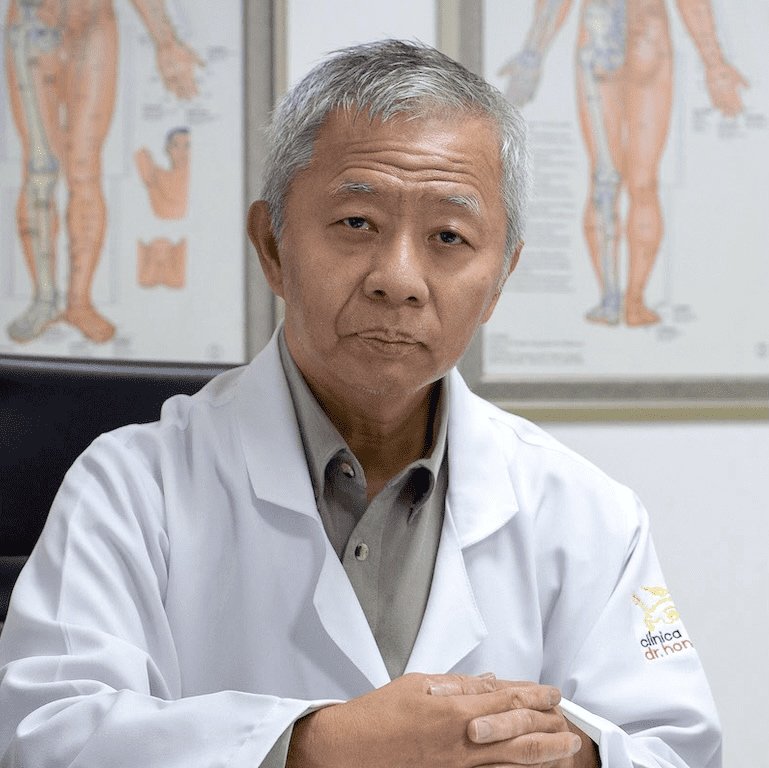
Expert Commentary
Prof. Dr. Hong Jin Pai
PhD in Sciences, University of São Paulo
▸ Clinical Relevance
Migraine without aura is among the most frequent diagnoses in the pain outpatient clinic, and acupuncture already figures among the preventive options recommended by international guidelines. What this work brings concretely to practice is the possibility of stratifying, before initiating treatment, which patients have a real probability of response. With 46% responders in the sample and a predictive model reaching 83% accuracy, a path opens for structured triage: patients with a favorable neuroimaging profile can be referred with greater confidence to acupuncture as a primary preventive strategy, while others are directed early to other approaches—topiramate, beta-blockers, anti-CGRP antibodies—without losing weeks on a treatment with low probability of benefit. The most immediate application scenario is the patient with episodic migraine without aura, refractory to one or two oral preventives, and a candidate to broaden the therapeutic arsenal.
▸ Notable Findings
The identification of ten cortical regions as predictors of response—frontal, temporal, parietal gyri, precuneus, and cuneus—is not random from a neurophysiological standpoint. These structures integrate pain modulation, attention, and interoception networks, all recognizably dysfunctional in chronic migraine. The finding that baseline volume of the left cuneus, right middle frontal gyrus, and parietal gyri predicts the magnitude of headache-day reduction suggests that patients with greater cortical reserve in these regions respond better—consistent with the hypothesis that acupuncture recruits neuroplasticity mechanisms dependent on preexisting structural substrate. Equally relevant is the increase in gray matter volume in the left cuneus after treatment in responders, indicating that the antinociceptive effect of acupuncture is not only functional but involves measurable structural remodeling on MRI.
▸ From My Experience
In my practice at the Pain Center of HC-FMUSP, I have observed for decades that response variability to acupuncture in migraine is real and clinically frustrating—both for the physician and for the patient. I typically see the first signs of response between the third and fifth session; patients reaching the eighth session without any reduction in headache days rarely benefit from continuing. This empirical criterion of 'early response' that we use in practice is exactly what this work seeks to anticipate with neuroimaging. The profile of patient who responds best, in my experience, tends to be those with episodic migraine, without analgesic overuse, and with good adherence to the pain diary—which aligns with the study sample. I routinely combine acupuncture with sleep hygiene guidance and, when necessary, with low-dose oral preventives. The prospect of using brain volumetry for triage remains academic, but the reasoning that underpins it—that there is a neurobiological substrate for responsiveness—validates what we observe clinically.
Full original article
Read the full scientific study
Frontiers in Neurology · 2020
DOI: 10.3389/fneur.2020.00111
Access original articleScientific Review

Marcus Yu Bin Pai, MD, PhD
CRM-SP: 158074 | RQE: 65523 · 65524 · 655241
PhD in Health Sciences, University of São Paulo. Board-certified in Pain Medicine, Physical Medicine and Rehabilitation, and Medical Acupuncture. Scientific review and curation of every entry in this library.
Learn more about the author →Medical disclaimer: This content is for educational purposes only and does not replace consultation, diagnosis, or treatment by a qualified professional. Some information may be assisted by artificial intelligence and is subject to inaccuracies. Always consult a physician.
Content reviewed by the medical team at CEIMEC — Integrated Centre for Chinese Medicine Studies, a reference in Medical Acupuncture for over 30 years.
Related articles
Based on this article’s categories