Changes of local microenvironment and systemic immunity after acupuncture stimulation during inflammation: A literature review of animal studies
Yu et al. · Frontiers in Neurology · 2023
Evidence Level
MODERATEOBJECTIVE
To investigate the mechanisms by which acupuncture modulates the local and systemic immune response during inflammation
WHO
Review of studies in experimental animals with different inflammation models
DURATION
Review of scientific literature published through 2022
POINTS
ST-36 (Zusanli), GV-14, BL-12, BL-13 primarily analyzed in the studies
🔬 Study Design
Literature Review
n=0
Analysis of studies on acupuncture and inflammation
📊 Results in numbers
Reduction of pro-inflammatory cytokines (TNF-α, IL-1β, IL-6)
Increase of anti-inflammatory cytokines (IL-10, TGF-β)
Polarization of macrophages from M1 to M2
Activation of neuroimmune pathways (vagal, adrenal, splenic)
📊 Outcome Comparison
Immune response
This study reviewed how acupuncture affects the immune system. The research shows that when we insert acupuncture needles, they activate local defense cells and also nervous systems that control inflammation throughout the body, helping to reduce pain and accelerate healing.
Article summary
Plain-language narrative summary
Acupuncture is an ancient technique that consists of inserting fine needles into specific points on the body, called acupoints, to treat various health conditions. Although it has been practiced for thousands of years, only recently has modern science begun to unravel the biological mechanisms that explain how acupuncture produces its therapeutic effects. A particularly interesting aspect is the way acupuncture modulates the immune system — the set of cells and mechanisms that defend our body against infections and injuries. This study is especially relevant because many chronic diseases, such as rheumatoid arthritis, asthma, and inflammatory bowel diseases, involve immune system imbalances that acupuncture can help correct.
The objective of this study was to review and organize the current scientific knowledge about how acupuncture affects both local immune responses (at the site where the needle is inserted) and systemic responses (throughout the body). To this end, the researchers analyzed studies conducted in laboratory animals, focusing specifically on inflammatory processes. The methodology consisted of a narrative review of the scientific literature, in which the most relevant and recent studies on the subject were selected and analyzed. The authors organized their findings into two main categories: first, the changes that occur in the local environment where the needle is inserted, including the responses of different types of immune cells; second, how these local changes connect with alterations throughout the body via the nervous system.
The main findings of the study reveal a fascinating and complex mechanism. When an acupuncture needle is inserted into the skin, the body interprets this as a "sterile injury" — that is, an injury without the presence of microorganisms. This triggers a cascade of events involving different types of cells. Endothelial cells, which line blood vessels, release nitric oxide, a substance that dilates the vessels and improves local blood flow.
Neutrophils, defense cells that arrive first at the site, release anti-inflammatory substances such as TGF-β and IL-10, while reducing the production of pro-inflammatory molecules. Macrophages, cells specialized in "cleaning" damaged tissues, shift from an inflammatory profile (M1) to a reparative profile (M2). Mast cells, which are involved in allergic reactions, respond both to the chemical and mechanical stimuli of acupuncture, participating in the healing process. The rotational movement of the needle activates cells called fibroblasts, which are important for the formation of healthy scar tissue.
The study also found that these local changes communicate with the rest of the body through three main pathways of the nervous system. The first is the cholinergic anti-inflammatory pathway, which involves the vagus nerve and uses acetylcholine as a chemical messenger to reduce inflammation in organs such as the spleen. The second is the vagal-adrenal pathway, in which stimulation of the vagus nerve leads to the release of dopamine by the adrenal glands, producing systemic anti-inflammatory effects. The third is the splenic sympathetic pathway, which uses norepinephrine to modulate the immune response.
Interestingly, different intensities of electrical stimulation in acupuncture activate different pathways, explaining why specific techniques can have distinct effects.
For patients, these findings help explain why acupuncture can be effective in treating chronic inflammatory conditions. The technique not only treats symptoms but actually modulates the biological mechanisms underlying inflammation. This provides a solid scientific basis for the use of acupuncture as a complement to conventional treatments in diseases such as arthritis, asthma, inflammatory bowel diseases, and even in the recovery from strokes. For healthcare professionals, the study offers valuable insights into how to optimize treatments, suggesting that the choice of specific acupoints, intensity of stimulation, and technique used (manual versus electrical) can be adjusted based on the biological mechanisms one wishes to activate.
However, the study has important limitations that should be considered. First, all the research reviewed was conducted on laboratory animals, mainly mice and rats. Although these models are valuable for understanding basic mechanisms, we cannot automatically assume that the same processes occur identically in humans. Second, most studies focused on only a few specific acupoints, especially ST-36 (located on the leg), limiting our understanding of how other acupuncture points may function.
Third, many of the biological pathways described are extremely complex and may vary depending on the person's health status and the specific condition being treated.
This work represents a significant advance in the scientific understanding of acupuncture, providing a detailed map of how this ancient technique interacts with our immune and nervous systems. By connecting local responses with systemic effects, the study offers an integrated view that can guide future research and improve clinical practice. For patients considering acupuncture, these findings offer reassurance that there is a solid scientific basis behind the observed benefits. For the medical community, this knowledge opens doors to more personalized and effective treatments, potentially revolutionizing how we approach chronic inflammatory diseases.
Strengths
- 1Comprehensive review of the immune mechanisms of acupuncture
- 2Integration between local and systemic immune response
- 3Detailed analysis of different cell types involved
- 4Clear connection between nervous and immune systems
Limitations
- 1Based only on animal studies
- 2Translation to humans still uncertain
- 3Lack of corresponding clinical studies
- 4Mechanisms may vary across species
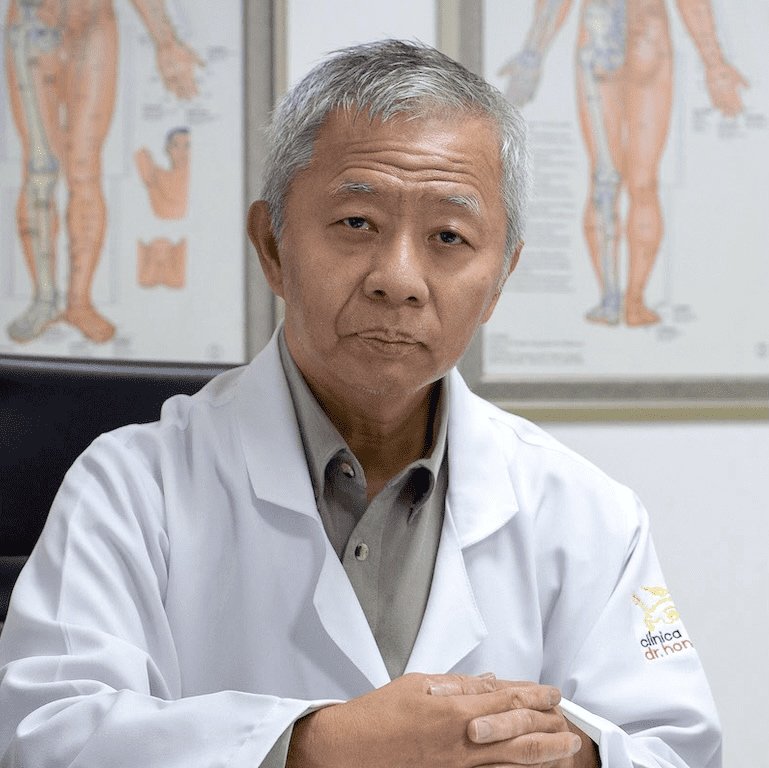
Expert Commentary
Prof. Dr. Hong Jin Pai
PhD in Sciences, University of São Paulo
▸ Clinical Relevance
Understanding the immune mechanisms of acupuncture has moved from academic curiosity to becoming a rational basis for clinical prescription. This review consolidates data that justify the use of acupuncture in conditions such as rheumatoid arthritis, inflammatory bowel disease, and asthma — pathologies in which the conventional pharmacologic arsenal frequently fails to control inflammation in a sustained manner or imposes long-term adverse effects that are unacceptable. The identification of the three neuroimmune pathways — vagal cholinergic, vagal-adrenal, and splenic sympathetic — provides the acupuncture physician with logic for selecting points and stimulation parameters according to the mechanism one wishes to recruit. Patients with systemic inflammatory diseases that are difficult to control, older adults with polypharmacy, and pregnant patients with restriction of immunosuppressants represent populations that may concretely benefit from this therapeutic integration.
▸ Notable Findings
The polarization of macrophages from the M1 to the M2 phenotype induced by acupuncture is, without doubt, the finding of greatest translational impact of this review. This phenotypic shift — from a pro-inflammatory state to a reparative state — explains, at the cellular level, the acceleration of tissue healing and the resolution of chronic inflammatory processes that experienced clinicians observe empirically. Equally relevant is the distinction between electrical stimulation intensities and the correspondingly activated neuroimmune pathways: low frequencies tend to recruit the vagal cholinergic pathway, while higher intensities activate the vagal-adrenal axis with dopamine release. This neuroimmune dose-response gradient confers on electroacupuncture a parametric dimension that the physician can exploit therapeutically, adjusting the desired anti-inflammatory response with increasing precision.
▸ From My Experience
In my practice at the HC-FMUSP Pain Center, I have observed that patients with spondyloarthritis or irritable bowel syndrome with a significant inflammatory component respond particularly consistently to acupuncture when we incorporate ST-36 in combined protocols — something this work supports mechanistically with elegance. I usually see the first signs of anti-inflammatory response between the third and fifth sessions, with clinical stabilization typically around the twelfth session in chronic cases. I routinely associate low-frequency electroacupuncture in these cases, precisely for the preferential activation of the vagal cholinergic pathway described in the literature. Patients on high-potency immunosuppressants deserve closer follow-up, as overlapping immune modulation can be unpredictable. The profile that benefits most, in my experience, is the patient with chronic low-grade inflammation, in those whom the rheumatologist has already optimized pharmacology and there is still residual activity — it is precisely there that acupuncture demonstrates its most expressive adjuvant value.
Full original article
Read the full scientific study
Frontiers in Neurology · 2023
DOI: 10.3389/fneur.2022.1086195
Access original articleScientific Review

Marcus Yu Bin Pai, MD, PhD
CRM-SP: 158074 | RQE: 65523 · 65524 · 655241
PhD in Health Sciences, University of São Paulo. Board-certified in Pain Medicine, Physical Medicine and Rehabilitation, and Medical Acupuncture. Scientific review and curation of every entry in this library.
Learn more about the author →Medical disclaimer: This content is for educational purposes only and does not replace consultation, diagnosis, or treatment by a qualified professional. Some information may be assisted by artificial intelligence and is subject to inaccuracies. Always consult a physician.
Content reviewed by the medical team at CEIMEC — Integrated Centre for Chinese Medicine Studies, a reference in Medical Acupuncture for over 30 years.
Related articles
Based on this article’s categories