Acupuncture for the treatment of overactive bladder: A systematic review and meta-analysis
Lee et al. · Frontiers in Neurology · 2023
Evidence Level
MODERATEOBJECTIVE
To evaluate the efficacy of acupuncture in the treatment of overactive bladder syndrome
WHO
Adult patients with overactive bladder (30 studies in total)
DURATION
Treatment periods ranging from 1 to 12 weeks
POINTS
SP-6, BL-23, BL-28, CV-4, BL-32, and CV-3 were the most commonly used
🔬 Study Design
Acupuncture vs. Placebo
n=422
Manual or electroacupuncture
Acupuncture vs. Medication
n=1036
Acupuncture vs. anticholinergics
Acupuncture + Medication
n=719
Combined therapy vs. medication
📊 Results in numbers
OABSS reduction vs. placebo
Urinary frequency vs. placebo
Adverse events vs. medications
Combined therapy OABSS
Percentage highlights
📊 Outcome Comparison
Overactive Bladder Symptom Score (OABSS)
This large review shows that acupuncture can be an effective option for treating overactive bladder. Compared with placebo, acupuncture significantly reduced symptoms. When compared with traditional medications, it showed similar efficacy but with fewer side effects. The combination of acupuncture with medication produced the best results.
Article summary
Plain-language narrative summary
This study represents an important contribution to understanding the role of acupuncture in the treatment of overactive bladder, a condition that affects millions of people around the world. Overactive bladder is characterized by sudden, uncontrollable urge to urinate, frequently accompanied by increased daytime and nighttime urinary frequency, with or without urinary incontinence. This syndrome, defined mainly by patient-reported symptoms, results from involuntary contractions of the bladder detrusor muscle during the filling phase, although only about 64% of patients show this detectable change on specific tests.
Conventional treatment of overactive bladder follows a stepped approach, starting with conservative measures such as behavioral modifications and pelvic floor exercises. When these measures prove insufficient, anticholinergic medications are introduced; they block the muscarinic receptors responsible for involuntary bladder contractions. However, these medications produce significant side effects, including dry mouth, blurred vision, constipation, and fatigue, leading many patients to discontinue treatment. Studies show that only 17% to 35% of patients continue taking the medication after one year of use.
In more severe cases, invasive procedures such as neuromodulation or botulinum toxin injections may be required, which leads many patients to seek alternative therapies.
To address this gap in scientific knowledge, the researchers conducted a comprehensive systematic review and meta-analysis, rigorously following established protocols for this type of research. The study was prospectively registered in the international PROSPERO database and followed PRISMA guidelines to ensure methodological quality. The search was performed in twelve different databases, including Western databases such as PubMed and EMBASE, and Eastern ones such as Chinese and Korean databases, covering publications from inception to February 2022. Only randomized clinical trials comparing acupuncture with placebo, conventional medications, or usual care in adult patients with non-neurogenic overactive bladder of any cause were included.
The results of this research, based on 30 studies involving more than 2,000 patients, offer promising evidence about the efficacy of acupuncture. When compared with sham acupuncture (placebo), true acupuncture demonstrated significant superiority in reducing overactive bladder symptom scores and urinary frequency. Even more impressive was the finding that acupuncture proved as effective as conventional anticholinergic medications in improving symptoms but with a significantly lower incidence of adverse events. This finding is particularly relevant given the tolerability problems that lead many patients to discontinue drug treatment.
In addition, when acupuncture was combined with medications, the results were superior to medication alone, suggesting a beneficial synergistic effect.
The clinical implications of these results are substantial for both patients and clinicians. For patients, acupuncture emerges as a viable and safe therapeutic option, particularly attractive for those who experience unacceptable side effects with medications or prefer more natural approaches. The technique proved to be well tolerated, with adverse events limited to minor local reactions such as pain at the insertion site, mild bleeding, or bruising. For clinicians, these findings suggest that acupuncture could be incorporated into the treatment algorithm for overactive bladder, either as a single therapy or in combination with medications, especially in patients who do not respond adequately or who do not tolerate conventional pharmacological treatment.
However, it is essential to acknowledge important limitations of this study that temper the initial enthusiasm with the results. The methodological quality of the included studies was predominantly low or very low, as assessed by the GRADE system, considered the gold standard for evaluating the certainty of scientific evidence. Many studies showed significant methodological problems, including inadequate randomization and allocation concealment methods, lack of adequate blinding of participants and assessors, and small sample sizes. Additionally, high heterogeneity was observed among the studies, reflecting substantial differences in the acupuncture protocols used, populations studied, and outcome measures evaluated.
The predominance of studies conducted in China (26 of 30 studies) also raises questions about the generalizability of the results to other populations and cultural contexts.
The inherent challenges of acupuncture research must also be considered. The development of an adequate placebo control for acupuncture remains a complex and controversial methodological issue in the field. Unlike medications, where a truly inert placebo can easily be created, sham acupuncture can produce its own physiological effects, making it difficult to distinguish the specific effects of acupuncture from placebo effects. In addition, complete blinding is virtually impossible in acupuncture studies, especially when compared with oral medications, because patients can easily identify which treatment they are receiving.
In conclusion, although this study represents the most comprehensive evaluation of acupuncture for overactive bladder to date, offering encouraging evidence about its efficacy and safety, future studies of greater methodological rigor are needed to definitively establish the role of acupuncture in the treatment of this condition. Future research should focus on large-scale multicenter studies, with rigorous methodology, standardized acupuncture protocols, and uniform outcome measures. It would also be valuable to investigate which patient populations benefit most from acupuncture, determine optimal treatment protocols, and explore the mechanisms by which acupuncture exerts its effects on bladder function. While we await more definitive evidence, current results suggest that acupuncture can be considered a promising and safe therapeutic option for patients with overactive bladder, especially those who do not respond adequately or do not tolerate conventional treatments.
Strengths
- 1Large number of included studies (30 RCTs)
- 2Separate analyses by type of comparison
- 3Rigorous assessment of methodological quality
- 4Inclusion of multiple relevant clinical outcomes
Limitations
- 1Variable methodological quality of studies
- 2High heterogeneity among studies
- 3Most studies conducted in China
- 4Highly diverse acupuncture protocols
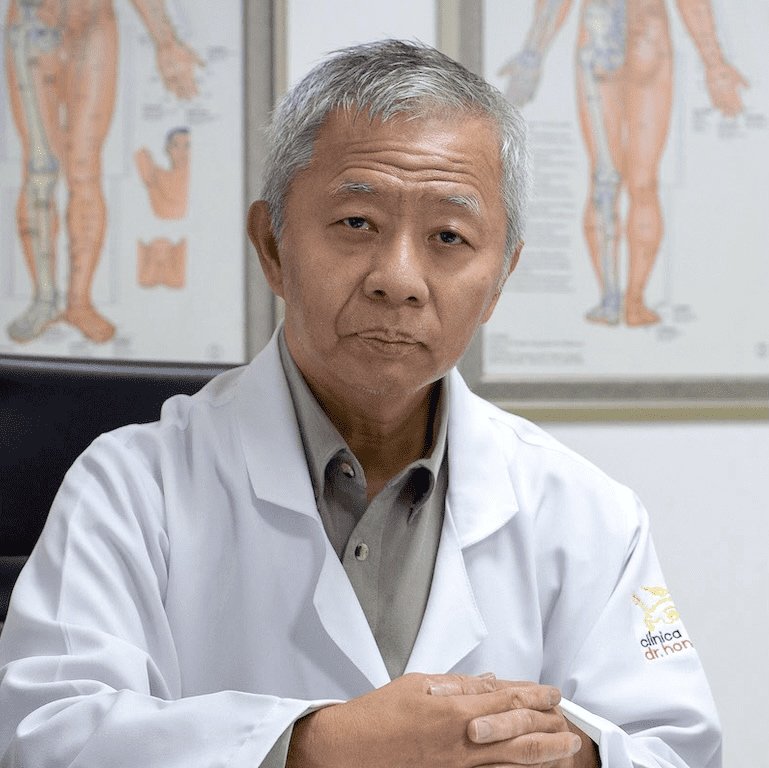
Expert Commentary
Prof. Dr. Hong Jin Pai
PhD in Sciences, University of São Paulo
▸ Clinical Relevance
Overactive bladder represents a daily therapeutic challenge: low adherence to anticholinergics — with only 17% to 35% of patients maintaining treatment after one year — leaves a substantial group without adequate therapeutic coverage. This meta-analysis, gathering 30 clinical trials and more than 2,000 patients, positions acupuncture as a concrete alternative in this scenario. The most operationally useful figure is the relative risk of 0.39 for adverse events compared with medications, which places acupuncture as a first-line option in polymedicated older patients, in those with closed-angle glaucoma, in patients with severe chronic constipation, or in those for whom dry mouth compromises quality of life. In addition, combined therapy — acupuncture associated with an anticholinergic — produced the largest reduction in OABSS (-2.28 points), expanding the therapeutic strategy available for cases of partial response to pharmacotherapy alone.
▸ Notable Findings
Two findings stand out in this review. The first is the superiority of true acupuncture over placebo on both the OABSS score (-1.13 points) and urinary frequency (SMD -0.35), confirming that the observed effect cannot be reduced to the ritual or contextual dimension of the intervention — something that continues to be intensely debated in the literature. The second finding, clinically more impactful, is the non-inferiority profile compared with anticholinergics combined with an adverse-event risk of only 39% relative to the drugs. Acupuncture plus medication outperforming both isolated arms deserves special attention: it suggests complementary mechanisms — autonomic modulation and segmental neuromodulation by acupuncture, peripheral muscarinic antagonism by the drug — that operate on distinct pathways and can add up non-redundantly in regulating the micturition reflex.
▸ From My Experience
In my practice at the Pain Center of HC-FMUSP, we have treated patients with overactive bladder mainly in the contexts of chronic pelvic pain syndrome and as a referral from urology when the patient does not tolerate anticholinergics. I usually observe the first subjective responses — reduction in nighttime urgency and daytime frequency — between the third and fifth sessions, which aligns well with the four-week protocols predominant in this review. For discharge or spaced maintenance, we usually work with cycles of eight to twelve sessions, followed by monthly sessions according to response. The points I most frequently use include Zhongji (CV-3), Guanyuan (CV-4), Sanyinjiao (SP-6), and Ciliao (BL-32), with low-frequency electrostimulation. The profile that responds best, in my observation over the years, is the postmenopausal woman with predominant urgency and no associated neurological condition — exactly the group in which anticholinergics most often fail because of intolerance.
Full original article
Read the full scientific study
Frontiers in Neurology · 2023
DOI: 10.3389/fneur.2022.985288
Access original articleScientific Review

Marcus Yu Bin Pai, MD, PhD
CRM-SP: 158074 | RQE: 65523 · 65524 · 655241
PhD in Health Sciences, University of São Paulo. Board-certified in Pain Medicine, Physical Medicine and Rehabilitation, and Medical Acupuncture. Scientific review and curation of every entry in this library.
Learn more about the author →Medical disclaimer: This content is for educational purposes only and does not replace consultation, diagnosis, or treatment by a qualified professional. Some information may be assisted by artificial intelligence and is subject to inaccuracies. Always consult a physician.
Content reviewed by the medical team at CEIMEC — Integrated Centre for Chinese Medicine Studies, a reference in Medical Acupuncture for over 30 years.
Related articles
Based on this article’s categories