Research progress on acupuncture treatment in central nervous system diseases based on NLRP3 inflammasome in animal models
Zhang et al. · Frontiers in Neuroscience · 2023
Evidence Level
STRONGOBJECTIVE
To investigate the mechanisms of acupuncture in the treatment of central nervous system diseases through regulation of the NLRP3 inflammasome
WHO
Animal models of vascular dementia, Alzheimer's, stroke, depression, and spinal cord injury
DURATION
Review of studies from the inception of the databases through 2023
POINTS
Baihui (GV-20), Zusanli (ST-36), Dazhui (GV-14), Shenshu (BL-23), and other points related to the nervous system
🔬 Study Design
Narrative Review
n=0
Systematic analysis of the literature on acupuncture and the NLRP3 inflammasome
📊 Results in numbers
Reduction of NLRP3 activation
Decrease of IL-1β and IL-18
Improvement of neuroinflammation
Neuronal protection
📊 Outcome Comparison
Anti-inflammatory efficacy
This study shows that acupuncture can protect the brain and nervous system by reducing inflammation through a specific mechanism called the NLRP3 inflammasome. The results suggest that acupuncture may be a valuable therapeutic option for neurological conditions such as Alzheimer's, stroke, and depression.
Article summary
Plain-language narrative summary
Diseases of the central nervous system represent a growing challenge for modern medicine, affecting millions of people around the world and significantly compromising patients' quality of life. Among these conditions, stroke, Alzheimer's disease, vascular dementia, depression, and spinal cord injuries stand out, all characterized by complex mechanisms of neuroinflammation and cell death. Although conventional treatments have evolved, there is still an important gap in the management of these conditions, especially regarding the control of inflammation in the brain and spinal cord. It is in this context that acupuncture emerges as a promising therapeutic alternative, with growing evidence of its efficacy in the treatment of neurological disorders.
The study analyzed aimed to investigate how acupuncture influences the NLRP3 inflammasome, a protein complex crucial to the inflammatory response in the central nervous system, in the treatment of various neurological diseases. To this end, the researchers conducted a systematic review of the scientific literature, searching the main medical databases for articles relating acupuncture, the NLRP3 inflammasome, and central nervous system diseases. The methodology involved the search for animal studies that investigated the mechanisms by which different acupuncture modalities, including manual acupuncture and electroacupuncture, modulate NLRP3 inflammasome activation. The researchers also mapped the acupuncture points most frequently used in the treatment of these conditions, identifying specific locations such as Baihui, Zusanli, and other strategic points that demonstrated particular efficacy in the control of neuroinflammation.
The findings of the study revealed that acupuncture exerts its neuroprotective effects through multiple mechanisms related to the inhibition of the NLRP3 inflammasome. In animal models of vascular dementia, acupuncture demonstrated significant reduction of microglial activation, the brain immune cells responsible for the inflammatory response, while at the same time decreasing the production of harmful inflammatory substances. In Alzheimer's disease, the technique was shown to be capable of preserving cognitive function through the reduction of inflammatory protein expression and the protection of neurons against cell death. In cases of stroke, acupuncture facilitated neurological recovery by controlling the inflammatory cascade that develops after the initial brain tissue injury.
For depression, the treatment demonstrated antidepressant effects related to the modulation of the inflammatory response in the hippocampus, a brain region crucial for mood and memory. In spinal cord injuries, acupuncture promoted functional recovery through the reduction of local inflammation and protection of neurons against secondary damage.
The clinical implications of these findings are substantial for both patients and healthcare professionals. For patients, these findings suggest that acupuncture may offer a valuable additional therapeutic option, particularly important considering that many of these neurological conditions have limited treatment options in conventional medicine. The ability of acupuncture to modulate neuroinflammation through specific mechanisms provides a solid scientific basis for its clinical use, potentially resulting in better outcomes when integrated with standard medical care. For healthcare professionals, these results offer important insights into how to personalize acupuncture protocols, including the appropriate selection of specific points and electrical stimulation parameters.
The study also highlights the importance of considering acupuncture not just as a symptomatic therapy, but as an intervention that can influence the fundamental pathological processes underlying neurological diseases.
However, it is important to recognize the significant limitations of this work. First, all the studies analyzed were conducted on animal models, which means that we still need more research to confirm whether these same mechanisms occur in humans. In addition, there is considerable variability among the studies regarding the acupuncture protocols used, including different electrical stimulation frequencies, treatment duration, and point selection, making it difficult to establish standardized guidelines for clinical practice. The limited number of high-quality randomized controlled clinical trials also represents an important limitation in the clinical validation of these findings.
Despite these limitations, the research represents a significant advance in the understanding of the neurobiological mechanisms of acupuncture and establishes a solid basis for future clinical investigations that can translate these promising experimental results into tangible benefits for patients with central nervous system diseases.
Strengths
- 1Comprehensive review of multiple neurological diseases
- 2Solid scientific basis on molecular mechanisms
- 3Consistent evidence in animal models
- 4Identification of specific pathways of action
Limitations
- 1Based only on animal models
- 2Need for more clinical studies in humans
- 3Variability in acupuncture protocols
- 4Lack of standardization in methods
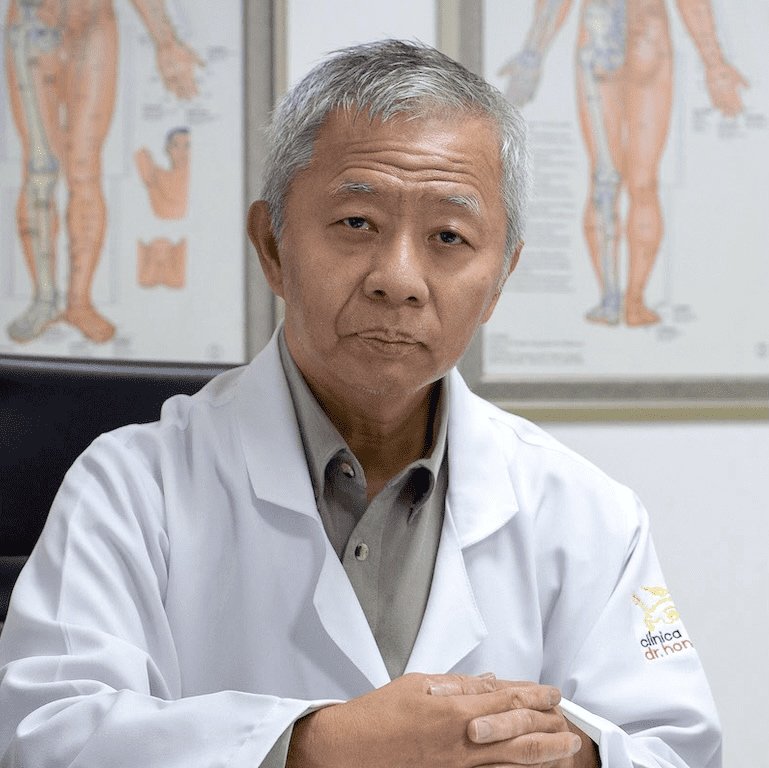
Expert Commentary
Prof. Dr. Hong Jin Pai
PhD in Sciences, University of São Paulo
▸ Clinical Relevance
Neuroinflammation mediated by the NLRP3 inflammasome is now recognized as a common denominator in conditions as distinct as ischemic stroke, Alzheimer's disease, vascular dementia, depression, and spinal cord injury — and it is precisely on this axis that this review positions acupuncture as a therapeutic modulator. For the physician treating neurological patients with limited pharmacologic options, having a well-mapped molecular mechanism — inhibition of microglial activation, reduction of IL-1β and IL-18, protection against secondary neuronal death — adds substance to the decision to integrate acupuncture into the therapeutic plan. The mapping of the most recurrent points in the literature, such as Baihui (GV-20) and Zusanli (ST-36), also guides the prescription of more rational protocols, moving from empiricism to a neurobiological logic that engages directly with contemporary clinical reasoning.
▸ Notable Findings
The most noteworthy finding is the consistency with which both manual acupuncture and electroacupuncture suppress the NLRP3 pathway in models of neurologically distinct diseases, suggesting a class effect not restricted to a single pathology. Particularly relevant is the evidence of hippocampal modulation in depression — a region where neuroinflammation compromises neurogenesis and synaptic plasticity — which connects the anti-inflammatory mechanism of acupuncture to measurable behavioral outcomes. Another point that deserves attention is the reduction of microglial activation in vascular dementia models, a process that, once triggered, tends to self-perpetuate; interrupting it early has the potential for real impact on disease progression, something that few available drugs can accomplish with a comparable safety profile.
▸ From My Experience
In my practice at the HC-FMUSP Pain Center, I have followed patients in post-stroke rehabilitation and with central neuropathic pain for decades, and what this work describes molecularly echoes much of what we observe clinically. I usually perceive the first signs of response — improvement in spasticity, mood, or alertness — between the third and fifth sessions in neurological patients, and I structure the initial protocols in cycles of ten to twelve sessions before reassessing. Electroacupuncture at Baihui and parietal points has been our preferred choice in post-stroke care, often associated with motor physical therapy in the same week — the synergy is clinically perceptible. In patients with dementia in early stages, acupuncture enters as an adjuvant to cholinesterase inhibitors, and we have observed stabilization of cognitive outcomes for periods that exceed what is expected with pharmacology alone. The profile that responds best, in my experience, is the patient with active neuroinflammation and a still-open therapeutic window — precisely the scenario that this review endorses mechanistically.
Full original article
Read the full scientific study
Frontiers in Neuroscience · 2023
DOI: 10.3389/fnins.2023.1118508
Access original articleScientific Review

Marcus Yu Bin Pai, MD, PhD
CRM-SP: 158074 | RQE: 65523 · 65524 · 655241
PhD in Health Sciences, University of São Paulo. Board-certified in Pain Medicine, Physical Medicine and Rehabilitation, and Medical Acupuncture. Scientific review and curation of every entry in this library.
Learn more about the author →Medical disclaimer: This content is for educational purposes only and does not replace consultation, diagnosis, or treatment by a qualified professional. Some information may be assisted by artificial intelligence and is subject to inaccuracies. Always consult a physician.
Content reviewed by the medical team at CEIMEC — Integrated Centre for Chinese Medicine Studies, a reference in Medical Acupuncture for over 30 years.
Related articles
Based on this article’s categories