Acupuncture for Neurogenesis in Experimental Ischemic Stroke: A Systematic Review and Meta-Analysis
Lu et al. · Scientific Reports · 2016
Evidence Level
MODERATEOBJECTIVE
To evaluate preclinical evidence of the effects of acupuncture on neurogenesis in experimental models of ischemic stroke
WHO
1,617 laboratory animals (SD and Wistar rats, C57BL/6 mice) with experimental ischemic stroke
DURATION
Follow-up of 7 to 28 days after stroke
POINTS
Most used points: Baihui (GV-20, 百會), Zusanli (ST-36, 足三里), Dazhui (GV-14, 大椎), and Quchi (LI-11, 曲池)
🔬 Study Design
acupuncture group
n=809
electroacupuncture or manual acupuncture
control group
n=808
no treatment or sham treatment
📊 Results in numbers
improvement in neurological function
increase in BrdU+ cells
increase in Nestin+ cells
improvement in cell migration
neuronal differentiation
📊 Outcome Comparison
cell proliferation (BrdU+)
neural stem cells (Nestin+)
This research showed that acupuncture can stimulate the brain to produce new nerve cells after a stroke. Animal studies demonstrated that acupuncture accelerates neurological recovery by promoting the natural regeneration of brain tissue.
Article summary
Plain-language narrative summary
This study represents a comprehensive and rigorous analysis of the effects of acupuncture on neurogenesis after ischemic stroke in experimental models. The researchers conducted a systematic review and meta-analysis of 34 studies that included 1,617 animals, investigating how acupuncture influences the brain's ability to generate new nerve cells after a stroke. Ischemic stroke is one of the leading causes of death and long-term disability worldwide. Although treatment with rtPA (tissue plasminogen activator) exists, its 4.5-hour therapeutic window and risk of intracranial hemorrhage severely limit its clinical use.
This makes the search for effective alternative treatments urgent. Neurogenesis, the process of forming new neurons, occurs naturally in two specific brain regions: the subventricular zone and the subgranular zone of the dentate gyrus in the hippocampus. After a stroke, neural progenitor cells may migrate to injured areas, but this natural response is generally insufficient to compensate for significant neuronal loss. Acupuncture, used for thousands of years to treat stroke patients, has shown potential for improving recovery through the stimulation of neurogenesis.
For this analysis, the researchers selected five specific markers of neurogenesis: BrdU and Nestin (for cell proliferation), PSA-NCAM (for migration), and NeuN and GFAP (for differentiation). These markers allow tracking of different stages of the process of forming new neurons. The methodology included a search of six main databases, with rigorous inclusion and exclusion criteria. The included studies used middle cerebral artery occlusion stroke models in rats and mice, comparing groups treated with acupuncture versus control groups.
The results demonstrated significant effects of acupuncture on multiple aspects of neurogenesis. For cell proliferation, acupuncture significantly increased the expression of BrdU+ and Nestin+ cells at all time points assessed (7 to 28 days). The effect was most pronounced on day 7, suggesting an optimal therapeutic window. For cell migration, marked by PSA-NCAM+, acupuncture showed significant improvements, especially within the first 14 days.
As for differentiation, acupuncture preferentially stimulated neuronal differentiation (NeuN+) over glial differentiation (GFAP+), which is clinically desirable for functional recovery. The most used acupuncture points were Baihui (GV-20, 百會), considered fundamental in traditional Chinese medicine for neurological conditions because it is located at the top of the head where all yang meridians meet, Zusanli (ST-36, 足三里), Dazhui (GV-14, 大椎), and Quchi (LI-11, 曲池). Electroacupuncture was the predominant method, used in 97% of the studies. Subgroup analyses revealed that factors such as the brain region studied, animal species, type of stroke model, anesthetic used, and treatment duration significantly influenced the results.
Treatment duration and baseline marker values were the main sources of heterogeneity between studies. Functionally, acupuncture significantly improved neurological function scores and reduced cerebral edema. The neuroprotective effect correlated temporally with the markers of neurogenesis, suggesting a causal relationship between neuronal regeneration and functional recovery. Despite the promising results, the study identified several limitations.
The methodological quality of the included studies was moderate (3-6 points out of 10), with deficiencies in adequate randomization, blinding, and sample size calculation. Publication bias exists, with negative studies likely under-represented. The high heterogeneity between studies also limits the generalizability of the findings. The clinical implications are significant.
The results suggest that acupuncture may be a promising neuroregenerative therapy for ischemic stroke, with a wider therapeutic window than current pharmacological treatments. The peak efficacy between 7-14 days post-stroke indicates an optimal period for intervention. For future research, the authors recommend studies with better methodological quality, including adequate randomization, appropriate blinding, and statistical power calculations. Investigations into the underlying molecular mechanisms, such as BDNF, VEGF, and PKA-CREB signaling pathways, are needed to fully understand how acupuncture stimulates neurogenesis.
Strengths
- 1large sample size with 1,617 animals
- 2comprehensive analysis of multiple neurogenesis markers
- 3rigorous methodology with subgroup analyses and meta-regression
- 4consistent evidence across different animal models
Limitations
- 1moderate methodological quality of the included studies
- 2high heterogeneity between studies
- 3identified publication bias
- 4lack of standardization in acupuncture protocols
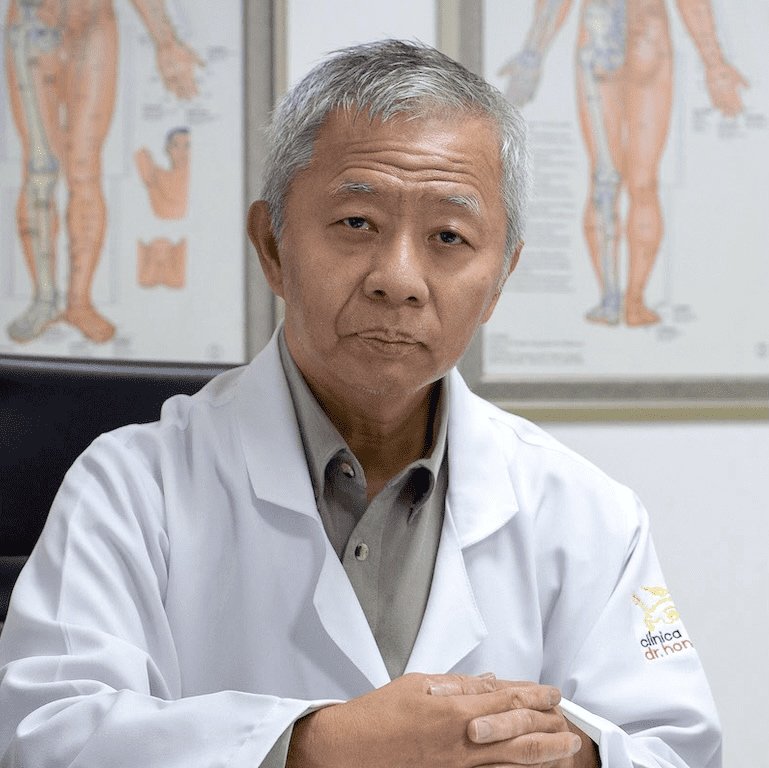
Expert Commentary
Prof. Dr. Hong Jin Pai
PhD in Sciences, University of São Paulo
▸ Clinical Relevance
Ischemic stroke remains one of the most devastating neurological conditions in terms of functional sequelae, and the narrow therapeutic window of rtPA continues to exclude the majority of patients from thrombolytic treatment. This meta-analysis, pooling 1,617 animals across 34 studies, provides concrete mechanistic substrate for what many of us have already observed clinically: acupuncture initiated in the subacute phase of stroke contributes to functional recovery that exceeds what is expected from conventional rehabilitation alone. The finding that the proliferative effect — measured by BrdU+ and Nestin+ — is most pronounced in the first seven days, with a relevant window extending to 14 days, directly informs the timing of introducing acupuncture into hospital and outpatient routines. Patients with ischemic stroke in carotid territory, in the subacute phase, who still present with moderate motor and cognitive deficits, are the population most favored by this integrative approach. The work reinforces the inclusion of acupuncture as a neurorehabilitative component within structured programs, rather than as a last-resort intervention.
▸ Notable Findings
The clinically weightiest finding is the dissociation between neuronal and glial differentiation: acupuncture preferentially favored NeuN+ expression over GFAP+, meaning that the induced neurogenesis proceeds toward functional phenotypes rather than mere astroglial scarring. This pattern is exactly what is desired in any neurorepair strategy. Equally relevant is the significant improvement in cell migration via PSA-NCAM+, particularly in the first 14 days, indicating that acupuncture not only stimulates progenitor proliferation in the subventricular zone but also facilitates the recruitment of these cells to penumbral areas. Points GV-20 and ST-36, predominant in the included protocols, have a long tradition in the treatment of neurological conditions in traditional Chinese medicine, and seeing their efficacy associated with measurable molecular markers strengthens the rationale for their prescription. Electroacupuncture, used in 97% of the studies, emerged as the main modality in this context, which also aligns with contemporary practice in neurological rehabilitation.
▸ From My Experience
In my practice at the HC-FMUSP Pain Center, I usually initiate acupuncture in post-ischemic stroke patients as soon as clinical stability is achieved, generally between the seventh and fourteenth day — a window that this work mechanistically validates. The most noticeable initial response is reduced spasticity and slight improvement in distal strength, visible within three to four sessions. For more consistent functional gains — hand mobility, coordination, language when mild aphasia is present — we typically complete ten to twelve sessions before reassessing the plateau. I combine electroacupuncture at GV-20 and ST-36 with intensive motor physical therapy and, when available, occupational therapy; the synergy is clinically evident and consistent with the neurogenesis mechanisms described here. I have observed that patients with small-volume stroke, without large areas of established infarction, respond better, probably because the penumbra zone — where neurogenesis is most recruitable — is still preserved. In extensive infarcts with hemorrhagic transformation, however, caution is mandatory and the indication must be carefully weighed.
Full original article
Read the full scientific study
Scientific Reports · 2016
DOI: 10.1038/srep19521
Access original articleScientific Review

Marcus Yu Bin Pai, MD, PhD
CRM-SP: 158074 | RQE: 65523 · 65524 · 655241
PhD in Health Sciences, University of São Paulo. Board-certified in Pain Medicine, Physical Medicine and Rehabilitation, and Medical Acupuncture. Scientific review and curation of every entry in this library.
Learn more about the author →Medical disclaimer: This content is for educational purposes only and does not replace consultation, diagnosis, or treatment by a qualified professional. Some information may be assisted by artificial intelligence and is subject to inaccuracies. Always consult a physician.
Content reviewed by the medical team at CEIMEC — Integrated Centre for Chinese Medicine Studies, a reference in Medical Acupuncture for over 30 years.
Related articles
Based on this article’s categories