Effects of acupuncture on the pregnancy outcomes of frozen-thawed embryo transfer: A systematic review and meta-analysis
Zhu et al. · Frontiers in Public Health · 2022
Evidence Level
MODERATEOBJECTIVE
To evaluate the effects of acupuncture as adjunctive therapy for frozen-thawed embryo transfer (FET) in infertile women
WHO
1,130 infertile women undergoing frozen-thawed embryo transfer
DURATION
Interventions of 1-3 menstrual cycles
POINTS
Variable per protocol (electroacupuncture, traditional acupuncture, TEAS)
🔬 Study Design
Adjunctive acupuncture
n=565
Acupuncture + standard FET
Control
n=565
Standard FET or sham acupuncture
📊 Results in numbers
Clinical pregnancy rate
Biochemical pregnancy rate
Endometrial thickness
Endometrial pattern
Percentage highlights
📊 Outcome Comparison
Clinical Pregnancy Rate (%)
This study shows that acupuncture may help women undergoing in vitro fertilization with frozen embryos achieve pregnancy more successfully. Acupuncture improved pregnancy chances to about 54%, compared with 35% without acupuncture, and also improved the quality of the uterus to receive the embryo.
Article summary
Plain-language narrative summary
Infertility has become an increasingly common problem, affecting millions of couples worldwide. For many women facing difficulties conceiving, frozen-thawed embryo transfer (FET) represents an important treatment option within assisted reproductive technologies. This procedure is especially useful for women who have had previous cycle cancellations or implantation failures and who have at least one viable frozen embryo. Although FET has demonstrated significant advantages, such as a reduced risk of ovarian hyperstimulation syndrome, clinical pregnancy rates still remain around 58.7%, which has motivated researchers and clinicians to seek complementary therapies that can improve these outcomes.
Acupuncture, one of the oldest practices of Traditional Chinese Medicine, has gained growing interest as an adjunctive treatment for women undergoing FET. Studies suggest this therapy may act on the neuroendocrine-immune system, improving endometrial receptivity and reducing adverse reactions during the embryo transfer process. However, research findings on the efficacy of acupuncture in FET have been controversial and conflicting, with some studies showing significant benefits while others find no statistically important differences. This lack of scientific consensus has generated uncertainty for both healthcare professionals and patients considering including acupuncture in their treatment protocols.
Given this controversy, Chinese researchers conducted a comprehensive systematic review with meta-analysis to rigorously evaluate the effects of acupuncture as adjunctive treatment in women undergoing FET. The primary objective of the study was to determine whether acupuncture can improve clinical pregnancy rates, defined as the presence of at least one gestational sac with fetal heartbeat confirmed by ultrasound five weeks after transfer. As secondary objectives, the researchers evaluated biochemical pregnancy rates, live birth rates, endometrial thickness, and endometrial pattern. The methodology rigorously followed international guidelines for systematic reviews, including only randomized clinical trials comparing acupuncture with sham acupuncture or no adjunctive treatment.
The researchers conducted comprehensive searches in multiple medical databases, including PubMed, Cochrane Library, and Chinese databases, covering studies from inception through June 2022.
The results of the analysis were promising and statistically significant for several important outcomes. Fourteen randomized clinical trials with a total of 1,130 participants were included, all conducted in China. For the clinical pregnancy rate, the primary outcome assessed, acupuncture showed a significant beneficial effect, with a 54% greater probability of achieving clinical pregnancy compared with control groups. Biochemical pregnancy rates were also favorable, with a 51% increase in the probability of a positive pregnancy test.
In addition, acupuncture demonstrated positive effects in improving endometrial receptivity, increasing endometrial thickness by nearly 1 mm on average and promoting the endometrial pattern most favorable to implantation, known as the trilaminar pattern. Although live birth rates showed a positive trend, this result did not reach statistical significance, possibly due to the small number of studies reporting this specific outcome. Regarding safety, only four studies reported adverse events, all mild in nature such as nausea or dizziness, with no serious adverse events related to acupuncture treatment.
The clinical implications of these findings are important for both clinicians and patients. For women undergoing FET, these results suggest that acupuncture may be a safe and potentially effective complementary therapeutic option to improve their pregnancy chances. The therapy proved especially beneficial for specific populations, including women with recurrent implantation failure, polycystic ovary syndrome, and women over 35. For healthcare professionals, the data provide scientific evidence that can support patient counseling on complementary treatment options.
The study also revealed important information about the most effective acupuncture protocols, suggesting that sessions performed before or during the FET period, with at least 5 treatment sessions, tend to produce better results. The analysis showed that true acupuncture treatments were more effective than untreated control groups, while studies comparing with sham acupuncture showed less conclusive results, possibly because sham acupuncture may also have some therapeutic effect.
Nevertheless, it is essential to acknowledge important limitations of this study that should be considered when interpreting the results. The methodological quality of the included studies varied considerably, with many studies not providing adequate information on randomization, allocation concealment, or blinding of assessors. All studies were conducted in China, which may limit the generalizability of results to other populations and healthcare systems. The analysis also identified possible publication bias, suggesting that studies with negative results may not have been published with the same frequency.
Heterogeneity among studies regarding acupuncture protocols, number of sessions, treatment timing, and patient characteristics also represents an important limitation. In addition, the quality of evidence was rated as low to moderate by rigorous international criteria, indicating that true effects may be substantially different from the estimates presented.
In conclusion, although this study provides encouraging evidence on the potential of acupuncture as adjunctive therapy for FET, with demonstration of significant benefits in clinical pregnancy rates and improved endometrial receptivity, the results should be interpreted with caution due to the methodological limitations identified. Acupuncture proved to be a safe therapy with minimal risk of serious adverse events, which is reassuring for patients considering this option. Going forward, studies of higher methodological quality are needed, with larger samples, standardized acupuncture protocols, and ideally involving populations from different countries and cultural contexts to confirm these promising findings and establish more precise guidelines on when and how to use acupuncture in the context of assisted reproduction.
Strengths
- 1Robust meta-analysis with 14 studies
- 2Significant improvement in pregnancy rates
- 3Few adverse events reported
- 4Improvement in endometrial receptivity
Limitations
- 1Variable methodological quality of studies
- 2All studies conducted in China
- 3Heterogeneous acupuncture protocols
- 4Possible publication bias
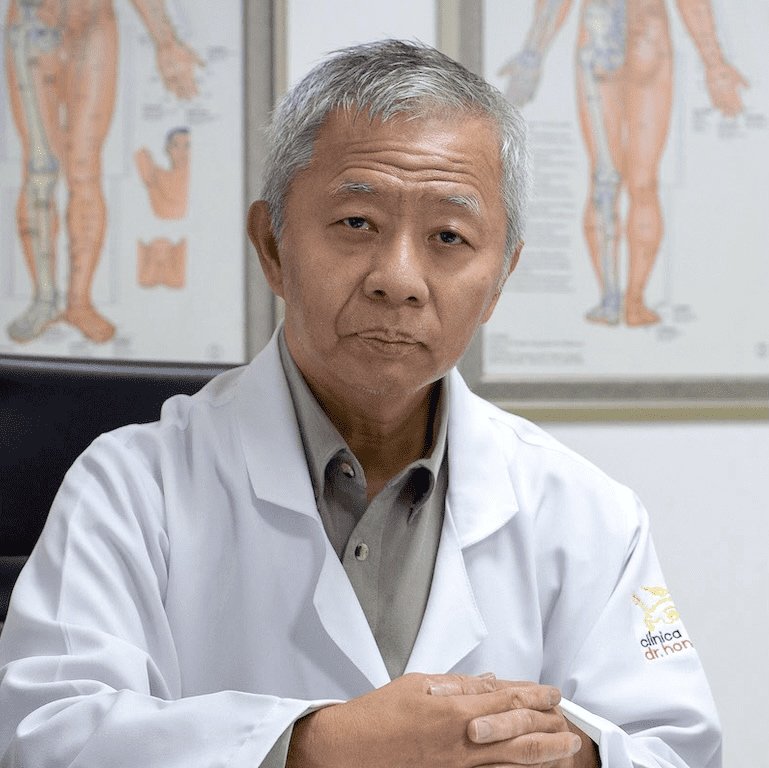
Expert Commentary
Prof. Dr. Hong Jin Pai
PhD in Sciences, University of São Paulo
▸ Clinical Relevance
Frozen-thawed embryo transfer has consolidated itself as a pillar of contemporary assisted reproduction, but successful implantation rates continue to frustrate couples and reproductive medicine teams. This work, pooling 1,130 patients across 14 randomized trials, places adjunctive acupuncture in a position of clinical prominence by demonstrating a clinical pregnancy rate of 54% in the treated group versus 35% in the control — a difference any reproductive medicine physician would recognize as clinically relevant. The improvement in endometrial thickness of nearly 1 mm and the higher proportion of trilaminar pattern translate into concrete mechanisms: neuroendocrine modulation, increased uterine blood flow, and a local anti-inflammatory response. For specific populations such as women with polycystic ovary syndrome, those with recurrent implantation failure, and patients over 35, incorporating acupuncture into the pre- and peri-transfer protocol represents a safe and accessible therapeutic expansion within the reproductive medicine arsenal.
▸ Notable Findings
The finding that most deserves attention is not only the magnitude of the benefit on clinical pregnancy rates, but the demonstration of an effect on objective and measurable parameters of endometrial receptivity. The mean increase of 0.97 mm in endometrial thickness and the relative risk of 1.41 for trilaminar pattern indicate that acupuncture does not act exclusively as an anxiolytic or psychological-support intervention — it appears to influence endometrial physiology in a way measurable by conventional ultrasonography. Equally noteworthy is the result of the subgroup analysis comparing true acupuncture with sham acupuncture: the effect was less robust in this comparison, raising the hypothesis that sham — especially when applied by an experienced clinician at non-classical points — may carry some real therapeutic effect. This is a phenomenon we have seen in the pain literature for decades and that reappears here in the reproductive context. The safety profile, with mild adverse events and absence of serious effects, reinforces the feasibility of routine incorporation.
▸ From My Experience
In my practice, I have been receiving a growing number of patients on FET protocols referred by the reproductive medicine teams at HC, and the recurring question is always about the ideal time to start acupuncture. What I have observed — and what this work endorses — is that the pre-transfer period is the most critical: I usually start treatment at least one menstrual cycle before transfer, working points such as Zigong (EX-CA1), Guanyuan (CV-4), Zusanli (ST-36), and Sanyinjiao (SP-6), with a focus on tonifying the Kidney and mobilizing the Qi of Chong Mai. In general, I notice ultrasonographic changes in the endometrium starting from the third or fourth session, and my usual routine is six to eight sessions up to the day of transfer. For patients with a history of recurrent implantation failure, I usually extend treatment for two prior cycles. The profile that responds best, in my experience, is exactly the one described here: women with thin endometrium, unfavorable echogenic pattern, and PCOS. I do not recommend vigorous needling acupuncture in the 48 hours immediately after transfer — during this period, I prefer gentle moxibustion and low-frequency electroacupuncture if the patient tolerates it.
Full original article
Read the full scientific study
Frontiers in Public Health · 2022
DOI: 10.3389/fpubh.2022.987276
Access original articleScientific Review

Marcus Yu Bin Pai, MD, PhD
CRM-SP: 158074 | RQE: 65523 · 65524 · 655241
PhD in Health Sciences, University of São Paulo. Board-certified in Pain Medicine, Physical Medicine and Rehabilitation, and Medical Acupuncture. Scientific review and curation of every entry in this library.
Learn more about the author →Medical disclaimer: This content is for educational purposes only and does not replace consultation, diagnosis, or treatment by a qualified professional. Some information may be assisted by artificial intelligence and is subject to inaccuracies. Always consult a physician.
Content reviewed by the medical team at CEIMEC — Integrated Centre for Chinese Medicine Studies, a reference in Medical Acupuncture for over 30 years.
Related articles
Based on this article’s categories