The neuro-immune microenvironment of acupoints—initiation of acupuncture effectiveness
Gong et al. · Journal of Leukocyte Biology · 2020
Evidence Level
STRONGOBJECTIVE
Systematically map the neuro-immune microenvironment of acupuncture points and its mechanisms of action
WHO
Review of experimental studies in animals and humans on point anatomy and physiology
DURATION
Systematic analysis of decades of research
POINTS
Zusanli 足三里 (ST-36), Yanglingquan 阳陵泉 (GB-34), and various classical points
🔬 Study Design
Systematic review
n=0
Analysis of scientific literature on the acupoint microenvironment
📊 Results in numbers
Higher mast cell density at acupoints
Points mapped in the literature
Activated pathways identified
Genes altered by needling
Percentage highlights
📊 Outcome Comparison
Mast cell density (epidermis/dermis)
This research shows that acupuncture points have a special structure with immune and nerve cells that respond to needling. When the needle is inserted, it triggers a cascade of cellular reactions that scientifically explain how acupuncture works to treat various conditions.
Article summary
Plain-language narrative summary
This study represents a comprehensive review of the scientific mechanisms that explain acupuncture effectiveness through analysis of the neuro-immune microenvironment of acupuncture points. The authors from the Tianjin University of Traditional Chinese Medicine systematically mapped how needle insertion and manipulation initiate specific cellular and molecular responses that mediate the therapeutic effects of acupuncture. The research examines the 409 acupuncture points documented in the classical literature, including 361 points on the 14 main meridians and 48 extra points. Point anatomy reveals a complex three-dimensional structure composed of epidermis, dermis, subcutaneous tissue, muscles, and related structures such as nerves, blood vessels, lymphatics, and tendons.
Notably, nerves are distributed more densely in point regions compared with non-point areas, with different types, quantities, and combinations of nerves varying among points. The study identifies that acupuncture functions as a benign minimal traumatic stimulus that causes local connective tissue deformation and secretion of various bioactive molecules. When the needle is inserted and manipulated, it causes fractures and even necrosis of muscle fibers, leading to accumulation of red blood cells, immune cells, and cellular fragments in the region. This process triggers an acute immune response, including leukocyte and mast cell infiltration and release of vasoactive substances such as histamine, substance P, and adenosine.
Mast cells emerge as crucial cellular participants, being 55% more densely distributed in the epidermis and dermis around acupuncture points compared with non-point regions. They aggregate near small blood vessels, small nerve bundles, and nerve endings along the direction of the meridians. Needle insertion and rotation generate shear force that activates physically sensitive channels on mast cells, promoting intracellular calcium influx and subsequent degranulation. This results in the release of neurotransmitters, hormones, and cytokines including ATP, substance P, tryptase, histamine, interleukins, and serotonin into the extracellular space.
Connective tissue undergoes significant morphological changes during acupuncture manipulation. Collagen and elastic fibers, initially coiled and organized in bundles, become spread apart, deformed, and even fractured, forming a spiral pattern with the needle at the center. These structural changes initiate peripheral cellular and molecular signal transduction, including remodeling of the fibroblast cytoskeleton and altered synthesis of various cytokines. Several cell types contribute to the microenvironment response.
Fibroblasts, the most common cells in connective tissue, respond to acupuncture rotation by doubling their cross-sectional area and deforming into sheet-like bodies. They produce pro-inflammatory factors and chemokines that attract immune cells to inflammatory regions. Keratinocytes express multiple physically and chemically sensitive receptors, acting as mechanical stimulus sensors and contributing to changes in the endocrine environment through release of HPA-axis hormones. The study identifies key signaling pathways activated by acupuncture.
cDNA microarray analyses revealed 236 altered genes and 7 corresponding pathways significantly modified, including the MAPK, P53, BCR, TCR, and TLR signaling pathways. The ERK pathway showed the most apparent changes, with increased expression of pro-inflammatory substances such as Myd88, Nfkbia, Il1b, Il6, Cxcl1, and Ccl2 at local points after acupuncture stimulation. The vascular response represents another critical component. Acupuncture causes vasodilation and increased capillary permeability, upregulating blood circulation in the point region.
This brings more immune cells including mast cells, monocytes/macrophages, and neutrophils to the points to participate in the neuro-immune network. Free ion concentrations, particularly Ca2+, K+, Na+, and Cl-, increase both cellularly and extracellularly along the meridians and at the points, with Ca2+ serving as a crucial second messenger in cellular physiological and biochemical processes. The clinical implications of this research are substantial. The study provides a solid scientific basis for understanding how acupuncture initiates its therapeutic effects through modulation of intrinsic homeostasis, thereby avoiding the side effects of exogenous drugs or drug resistance.
The acupoint microenvironment acts as the universal initiation link for acupuncture actions, where various active factors activate receptors located on neural endings, transmitting electrical and biochemical signals to the CNS. Limitations include the fact that most reviewed studies focus only on changes in specific aspects rather than reticular network relationships and interconnections among complex substances. Future research should examine how changes in a specific substance in the microenvironment cause subsequent changes in other substances and how they affect acupuncture effects synthetically. This work establishes a foundation for future systematic studies of the complex network relationships of acupuncture points and their microenvironmental mechanisms.
Strengths
- 1Comprehensive systematic review of the acupoint microenvironment
- 2Integration of multiple cellular and molecular pathways
- 3Solid scientific basis for acupuncture mechanisms
- 4Detailed analysis of anatomical and functional components
Limitations
- 1Reviewed studies focus on isolated specific aspects
- 2Lack of analysis of complex interconnections among substances
- 3Need for more studies on network relationships
- 4Most data derived from animal models
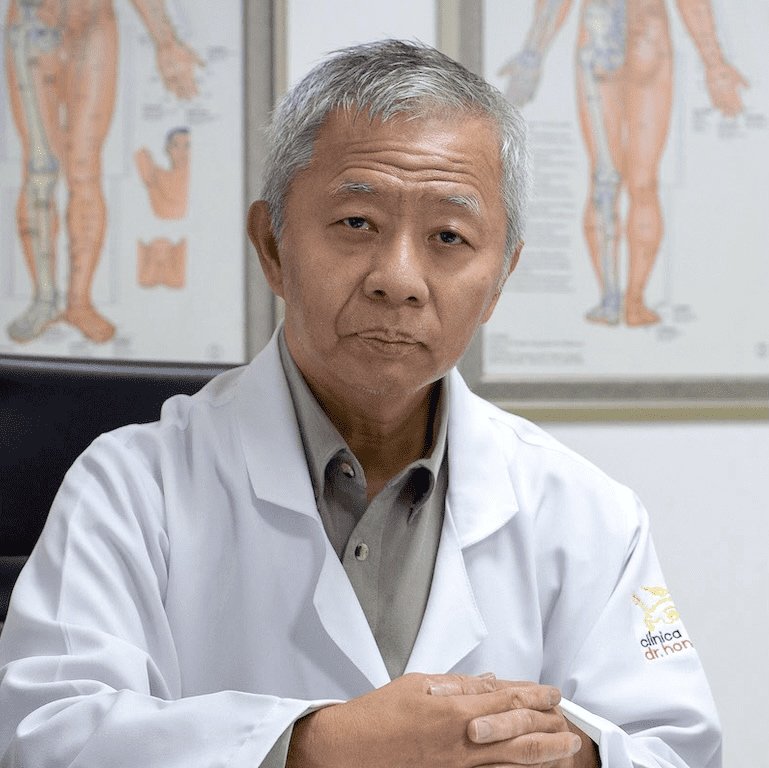
Expert Commentary
Prof. Dr. Hong Jin Pai
PhD in Sciences, University of São Paulo
▸ Clinical Relevance
This systematic review by Gong et al. offers the clinician a concrete mechanistic basis for justifying therapeutic choices and communicating the foundations of acupuncture to colleagues in other specialties. The mapping of 409 points with characterization of the neuro-immune microenvironment transforms what was historically described in energetic terms into a language recognizable to immunologists, rheumatologists, and neurologists. For the physician treating chronic pain, fibromyalgia, or inflammatory conditions, understanding that mast cell response, degranulation of histamine, substance P and adenosine, and activation of pathways such as ERK and MAPK are triggered by the mechanical stimulus of the needle confers precision in selecting points and manipulation techniques. Populations with neuroinflammatory disorders, complex regional pain syndrome, and autoimmune conditions represent candidates in whom this mechanistic understanding can guide individualized protocols with greater scientific grounding.
▸ Notable Findings
The finding that mast cells are 55% more densely distributed in the epidermis and dermis of acupoints compared with non-point regions is probably the most clinically provocative piece of data in this review. This is not a random arrangement—these mast cells organize adjacent to small vessels and nerve bundles following the direction of the meridians, suggesting that the classical anatomy of the meridians has a traceable cellular substrate. Equally notable is the identification of 236 altered genes and 7 signaling pathways modified by needling, with the ERK pathway exhibiting the most expressive changes and recruiting pro-inflammatory mediators such as IL-1β, IL-6, and CCL2. The fibroblast response—doubling cross-sectional area and deforming into laminar structures with needle rotation—offers a cellular explanation for the De Qi phenomenon, correlating the clinical sensation with measurable biochemical events in the extracellular matrix.
▸ From My Experience
At the Pain Center of HC-FMUSP, we have observed for decades that patients with acute inflammatory conditions respond more rapidly to needling than those with established chronicity, and this work helps us understand why: the microenvironment is more reactive, with mast cells and fibroblasts in a state of greater readiness. I typically see perceptible clinical response between the third and fifth session in acute musculoskeletal pain, while in central chronic pain the horizon extends to eight to twelve sessions. Needle manipulation—rotation, lifting, insertion at depth adjusted to the point—ceases to be ritual and becomes mechanical pharmacology in light of these findings. We routinely combine acupuncture with supervised exercise and, in neuroinflammatory cases, with immune-modulating agents when indicated. I prefer patients with active inflammatory components and good De Qi sensitivity, since empirically these profiles show more consistent responses—something this review now supports in molecular language.
Full original article
Read the full scientific study
Journal of Leukocyte Biology · 2020
DOI: 10.1002/JLB.3AB0420-361RR
Access original articleScientific Review

Marcus Yu Bin Pai, MD, PhD
CRM-SP: 158074 | RQE: 65523 · 65524 · 655241
PhD in Health Sciences, University of São Paulo. Board-certified in Pain Medicine, Physical Medicine and Rehabilitation, and Medical Acupuncture. Scientific review and curation of every entry in this library.
Learn more about the author →Medical disclaimer: This content is for educational purposes only and does not replace consultation, diagnosis, or treatment by a qualified professional. Some information may be assisted by artificial intelligence and is subject to inaccuracies. Always consult a physician.
Content reviewed by the medical team at CEIMEC — Integrated Centre for Chinese Medicine Studies, a reference in Medical Acupuncture for over 30 years.
Related articles
Based on this article’s categories