Acupuncture for ovulation induction in polycystic ovary syndrome: a randomized controlled trial
Johansson et al. · American Journal of Physiology - Endocrinology and Metabolism · 2013
Evidence Level
MODERATEOBJECTIVE
To investigate whether acupuncture affects ovulation frequency and hormonal mechanisms in women with polycystic ovary syndrome
WHO
32 lean/overweight women with PCOS diagnosed by Rotterdam criteria
DURATION
10-13 weeks of treatment
POINTS
CV-3, CV-6, ST-29, SP-6, SP-9, LI-4, GV-20, ST-25, LR-3, PC-6 with 2 Hz electroacupuncture
🔬 Study Design
Acupuncture
n=16
Manual acupuncture + 2 Hz electrical stimulation, 2x/week
Control
n=16
Meetings with a physical therapist, equivalent attention time
📊 Results in numbers
Ovulation frequency (acupuncture vs control)
Statistical significance
Reduction in sex hormones
Effect on LH pulsatility
📊 Outcome Comparison
Ovulations per month
This study showed that acupuncture can help women with polycystic ovary syndrome ovulate more frequently. The treatment lowered blood levels of male hormones, improving reproductive function naturally and safely.
Article summary
Plain-language narrative summary
This randomized controlled trial investigated the effects of acupuncture on ovulation induction in women with polycystic ovary syndrome (PCOS), a common endocrine condition that affects female fertility. The study was conducted at the University of Gothenburg, Sweden, between June 2009 and September 2010, following rigorous clinical research guidelines. The research included 32 women diagnosed with PCOS by Rotterdam criteria, aged 18-38 years, with a body mass index below 30. Participants were randomized into two groups: acupuncture with low-frequency manual and electrical stimulation, or a control group with therapeutic meetings of equal duration.
The acupuncture protocol used specific points located in abdominal and leg muscles, with innervations corresponding to the ovaries, applying 2 Hz stimuli for 30 minutes twice a week for 10-13 weeks. The control group received equivalent therapeutic attention to control for the effect of attention received during treatment. The main results demonstrated a significantly higher ovulation frequency in the acupuncture group (0.76 ovulations per month) compared with the control (0.41 ovulations per month, p=0.002). Detailed hormonal analyses revealed significant reductions in circulating levels of estrogens, androgens, and androgenic metabolites in the acupuncture group, including estradiol, testosterone, DHEA, and its derivatives.
Surprisingly, there were no changes in luteinizing hormone (LH) pulsatility or cortisol secretion patterns, suggesting that acupuncture's effects are mediated primarily at the peripheral rather than central level. The reduction in inhibin B in the acupuncture group indicates direct effects on ovarian function. The researchers propose that the mechanisms of action involve modulation of sympathetic nervous system activity, both general and ovary-specific, based on previous studies showing reduction in muscle sympathetic nerve activity with acupuncture. The study represents an important advance in understanding the mechanisms by which acupuncture can benefit women with PCOS, offering an alternative or complementary therapy to conventional pharmacological treatments such as clomiphene citrate or laparoscopic ovarian drilling.
The clinical implications are relevant, considering that many conventional treatments have negative side effects. The research demonstrates that acupuncture may represent a natural and safe therapeutic option to improve reproductive function in women with PCOS, particularly those with normal weight or mild overweight.
Strengths
- 1Randomized controlled design with adequate attention control group
- 2Detailed hormonal analyses by mass spectrometry
- 3Objective confirmation of ovulation by weekly progesterone
- 4Acupuncture protocol based on prior evidence
Limitations
- 1Relatively small sample (n=32)
- 2Limited to lean/overweight women (BMI<30)
- 3No direct comparison with standard pharmacological treatments
- 4Follow-up limited to the treatment period
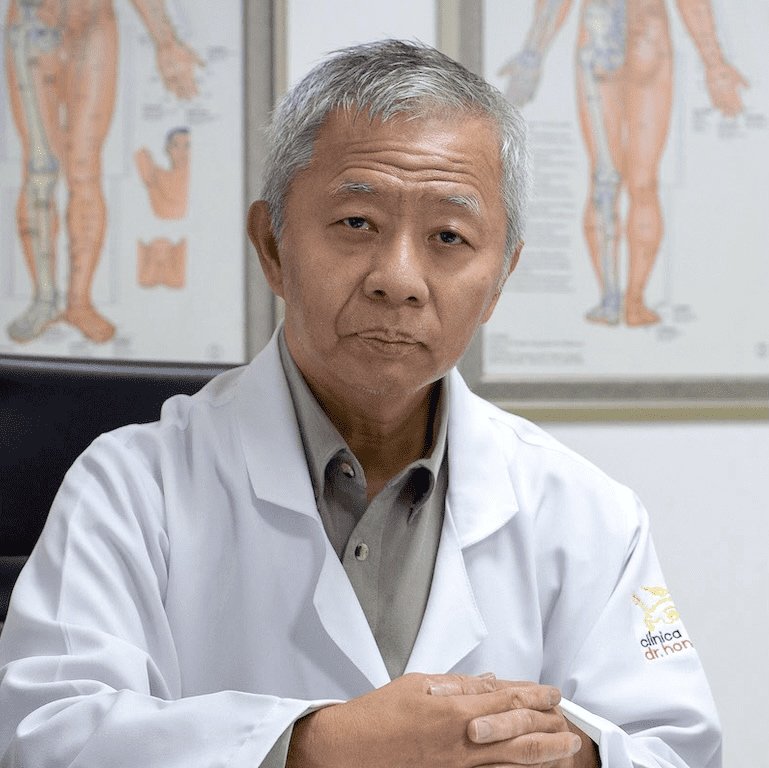
Expert Commentary
Prof. Dr. Hong Jin Pai
PhD in Sciences, University of São Paulo
▸ Clinical Relevance
Polycystic ovary syndrome is one of the most prevalent causes of chronic anovulation and female infertility, and the conventional therapeutic armamentarium — clomiphene citrate, metformin, laparoscopic ovarian drilling — carries adverse effects that often limit adherence and tolerability. This trial by Johansson and colleagues opens concrete space for acupuncture as an adjunctive strategy in women with PCOS who have not yet started pharmacological induction or who do not tolerate clomiphene well. The ovulation frequency of 0.76 per month in the acupuncture group versus 0.41 in the control, with a significance of p=0.002, has real clinical significance: it represents practically twice as many ovulatory cycles in previously anovulatory women. The profile of the studied population — young women, BMI below 30, confirmed Rotterdam criteria — corresponds exactly to the group we most frequently see in assisted reproduction services integrated with integrative medicine programs.
▸ Notable Findings
The finding that deserves particular attention is the absence of modification in LH pulsatility, a result that rules out the hypothesis of central hypothalamic action and redirects mechanistic reasoning to the peripheral level — specifically, ovarian sympathetic modulation. The reduction in multiple circulating steroids, including estradiol, testosterone, DHEA, and androgenic metabolites, documented by mass spectrometry — a method of high analytical specificity — reinforces that the effect is not nonspecific. The drop in inhibin B points to a direct impact on granulosa cell function, signaling that acupuncture alters follicular dynamics in measurable ways. This set of findings supports a model in which segmental somatic stimulation of points sharing innervation with the ovary reduces local sympathetic tone, creating a more favorable hormonal microenvironment for follicular maturation and spontaneous ovulation.
▸ From My Experience
In my practice, I have followed women with PCOS for decades and I have observed that acupuncture works best as a first-line strategy in lean or mildly overweight patients, exactly the profile of this study, especially those who refuse or do not tolerate clomiphene. I usually use low-frequency electrical stimulation at abdominal and lower limb points — a protocol similar to the Gothenburg one — and I notice a response in ovulatory cycles around the fourth to sixth week of treatment. On average, we complete twelve to sixteen sessions before reassessing with ultrasound and luteal phase progesterone measurement. I routinely combine treatment with nutritional guidance and regular aerobic exercise, since ovarian sympathetic sensitization seems to respond better when we reduce concomitant hyperinsulinemia. Patients with BMI above 30 or marked insulin resistance respond less, and in this subgroup I prefer to combine acupuncture with metformin from the outset. What this work confirms in mechanistic terms — the peripheral sympathetic pathway — matches what we observe clinically: improvement is neither immediate nor dependent on central modification of the hypothalamic-pituitary axis.
Full original article
Read the full scientific study
American Journal of Physiology - Endocrinology and Metabolism · 2013
DOI: 10.1152/ajpendo.00039.2013
Access original articleScientific Review

Marcus Yu Bin Pai, MD, PhD
CRM-SP: 158074 | RQE: 65523 · 65524 · 655241
PhD in Health Sciences, University of São Paulo. Board-certified in Pain Medicine, Physical Medicine and Rehabilitation, and Medical Acupuncture. Scientific review and curation of every entry in this library.
Learn more about the author →Medical disclaimer: This content is for educational purposes only and does not replace consultation, diagnosis, or treatment by a qualified professional. Some information may be assisted by artificial intelligence and is subject to inaccuracies. Always consult a physician.
Content reviewed by the medical team at CEIMEC — Integrated Centre for Chinese Medicine Studies, a reference in Medical Acupuncture for over 30 years.
Related articles
Based on this article’s categories