Effect of acupuncture on assisted reproduction treatment outcomes
Madaschi et al. · Acupuncture in Medicine · 2010
Evidence Level
MODERATEOBJECTIVE
To assess whether acupuncture increases pregnancy and implantation rates in women undergoing ICSI
WHO
416 women aged 35 years or younger in their first ICSI cycle
DURATION
Two 25-minute sessions on the day of embryo transfer
POINTS
PC-6, SP-8, LR-3, GV-20, ST-29 (before) and ST-36, SP-6, SP-10, LI-4 (after)
🔬 Study Design
Control
n=208
Standard assisted reproduction treatment without acupuncture
Acupuncture
n=208
Acupuncture before and after embryo transfer
📊 Results in numbers
Pregnancy rate (acupuncture vs. control)
Implantation rate (acupuncture vs. control)
Live birth rate (acupuncture vs. control)
Tubal/idiopathic subgroup — OR for pregnancy
Percentage highlights
📊 Outcome Comparison
Pregnancy rate (%)
Implantation rate (%)
This study evaluated whether acupuncture can improve pregnancy chances in women undergoing in vitro fertilization. Although the overall results did not show a significant benefit, pregnancy rates improved in specific cases where infertility was caused by tubal problems or was of unknown origin.
Article summary
Plain-language narrative summary
This randomized controlled trial investigated the effect of acupuncture on outcomes of assisted reproduction treatments, specifically intracytoplasmic sperm injection (ICSI). The research was conducted in São Paulo, Brazil, and enrolled 416 women aged 35 years or younger who were undergoing their first ICSI cycle. Acupuncture has been considered a promising complementary technique in the management of infertility, with potential physiological and psychological effects that may reduce stress in women undergoing fertility treatment. The methodology involved randomizing patients into two groups: a control group (208 patients) that received only standard assisted reproduction treatment, and an acupuncture group (208 patients) that received two 25-minute acupuncture sessions, one immediately before and another immediately after embryo transfer.
The acupuncture points were selected based on previous studies and included PC-6, SP-8, LR-3, GV-20, and ST-29 before transfer, and ST-36, SP-6, SP-10, and LI-4 after transfer. According to traditional Chinese medicine, stimulation of these specific meridians improves blood perfusion and energy to the uterus and promotes relaxation during the procedure. The overall results did not demonstrate a significant influence of acupuncture on pregnancy, implantation, miscarriage, or live birth rates when the entire study population was analyzed. Pregnancy rates were 40.4% in the acupuncture group versus 32.2% in the control group, a difference that did not reach statistical significance.
However, a subgroup analysis revealed interesting results. When cycles in which the causes of infertility were exclusively tubal-uterine or idiopathic were evaluated separately (77 patients in total), a positive effect of acupuncture was observed. In this specific subgroup, acupuncture increased the chance of pregnancy more than fivefold (OR = 5.15; 95% CI: 1.03–34.5). This finding suggests that acupuncture may be more effective when the embryo is not affected by ovarian or seminal factors, indicating a possible effect of acupuncture on endometrial receptivity.
The researchers discuss that the mechanism by which acupuncture may influence uterine receptivity is related to increased blood flow to the uterus and ovaries, as well as central sympathetic inhibition through the endorphin system. The clinical implications suggest that, although acupuncture does not demonstrate a universal benefit for all ICSI cases, it may have a specific role in situations where infertility is not related to ovarian or male factors. An important limitation of the study was the inability to fully blind participants, since the control group did not receive any intervention, which may have introduced a placebo effect. The authors acknowledge that future studies with control groups receiving sham acupuncture would be more appropriate to eliminate this bias.
The study contributes to the growing body of evidence on acupuncture in assisted reproduction, an area that remains controversial in the medical literature.
Strengths
- 1Well-structured randomized controlled design
- 2Adequate sample size with 416 patients
- 3Subgroup analysis provided valuable insights
- 4Well-defined and replicable acupuncture protocol
Limitations
- 1Inability to blind patients to the intervention
- 2Lack of a sham acupuncture control group
- 3Subgroup analysis was exploratory and requires confirmation
- 4Potential placebo effect was not adequately controlled
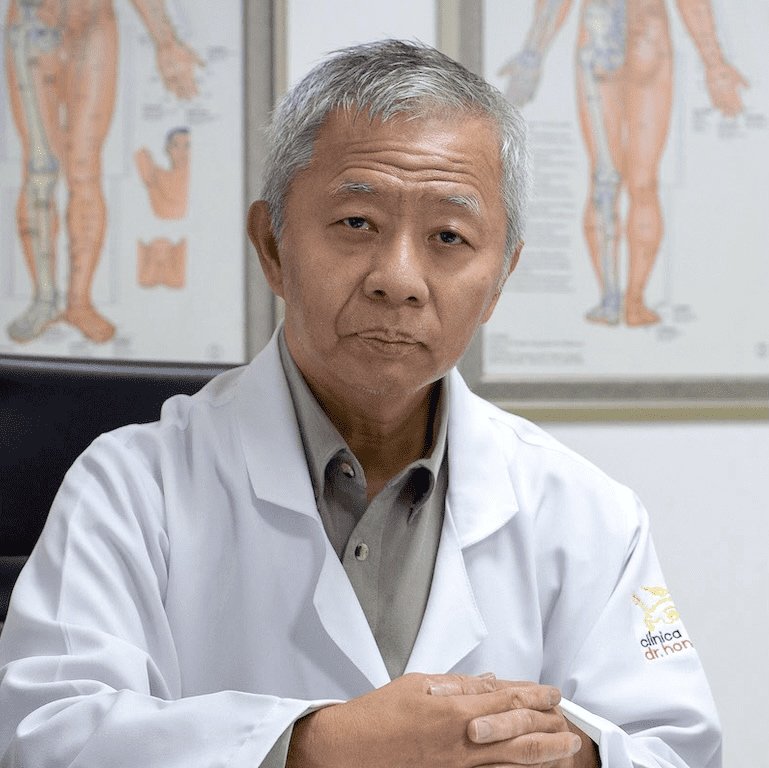
Expert Commentary
Prof. Dr. Hong Jin Pai
PhD in Sciences, University of São Paulo
▸ Clinical Relevance
Acupuncture as an adjunct in assisted reproduction represents one of the most challenging interfaces between traditional Chinese medicine and high-complexity reproductive medicine. This randomized trial, conducted in São Paulo with 416 women undergoing their first ICSI cycle, confirms that two sessions performed around the time of embryo transfer — using points such as PC-6, SP-8, LR-3, GV-20, ST-29, ST-36, SP-6, SP-10, and LI-4 — do not produce a statistically significant gain when the population is analyzed as a whole. However, a clinically relevant distinction emerges when stratifying by etiology: couples with tubal or idiopathic infertility constitute a population in which the intervention can be justified as part of the therapeutic plan. Physicians caring for couples on an assisted reproduction journey therefore have a basis for offering acupuncture selectively, directing the resource to those with the highest likelihood of endometrial response.
▸ Notable Findings
The most clinically meaningful finding is the odds ratio of 5.15 (95% CI: 1.03–34.5) for pregnancy in the subgroup with tubal or idiopathic infertility — 77 patients evaluated separately. The magnitude of this effect, even with a wide confidence interval, points to a mechanism operating predominantly on endometrial receptivity and the uterine environment, not on gamete quality. This is biologically consistent with what is known about the impact of acupuncture on uterine blood flow via central sympathetic inhibition mediated by the endorphin system. The absolute rates also stand out: 40.4% pregnancy and 33.7% live births in the acupuncture group versus 32.2% and 27.4% in the control group, without reaching overall significance — but suggestive enough to support mechanistic hypotheses about the role of acupuncture in preparing the endometrium for implantation.
▸ From My Experience
In my practice with patients in assisted reproduction protocols, I have observed that emotional expectation is itself a biological factor: the stress of the ICSI cycle raises cortisol, compromises endometrial vascularization, and impairs uterine tone — exactly what periconceptional acupuncture attempts to modulate. I usually start follow-up two to four weeks before transfer, working on points that regulate the hypothalamic-pituitary-ovarian axis and uterine perfusion, so that the two sessions on transfer day are not the only contact, but rather the reinforcement of an already prepared state. Patients with idiopathic or tubal-cause infertility are the ones I prioritize for this approach. In contrast, in cases of severe male factor or markedly diminished ovarian reserve, I temper expectations more carefully, since the article corroborates what I have been observing: the benefit appears to lie in the receiving environment, not in gamete competence. The subjective response of relaxation and well-being is usually perceived in the first session, which alone justifies offering the intervention — even before we consolidate definitive evidence of reproductive outcomes.
Full original article
Read the full scientific study
Acupuncture in Medicine · 2010
DOI: 10.1136/aim.2009.002022
Access original articleScientific Review

Marcus Yu Bin Pai, MD, PhD
CRM-SP: 158074 | RQE: 65523 · 65524 · 655241
PhD in Health Sciences, University of São Paulo. Board-certified in Pain Medicine, Physical Medicine and Rehabilitation, and Medical Acupuncture. Scientific review and curation of every entry in this library.
Learn more about the author →Medical disclaimer: This content is for educational purposes only and does not replace consultation, diagnosis, or treatment by a qualified professional. Some information may be assisted by artificial intelligence and is subject to inaccuracies. Always consult a physician.
Content reviewed by the medical team at CEIMEC — Integrated Centre for Chinese Medicine Studies, a reference in Medical Acupuncture for over 30 years.
Related articles
Based on this article’s categories