Efficacy of acupuncture in refractory irritable bowel syndrome patients: a randomized controlled trial
Zhao et al. · Frontiers of Medicine · 2024
Evidence Level
STRONGOBJECTIVE
To assess the efficacy of true acupuncture vs. sham in patients with refractory irritable bowel syndrome
WHO
170 patients with refractory IBS (18-70 years, symptoms >12 months)
DURATION
4 weeks of treatment (12 sessions) + 4 weeks of follow-up
POINTS
Tianshu (ST-25), Shangjuxu (ST-37), Zusanli (ST-36), and Neiguan (PC-6) bilaterally
🔬 Study Design
True acupuncture
n=85
Acupuncture at specific points + usual care
Sham acupuncture
n=85
Superficial needling at non-points + usual care
📊 Results in numbers
IBS-SSS reduction (acupuncture)
IBS-SSS reduction (sham)
Between-group difference
Response rate (acupuncture)
Response rate (sham)
Percentage highlights
📊 Outcome Comparison
IBS-SSS reduction (week 4)
Response rate (%)
This study showed that acupuncture can be an effective option for patients with irritable bowel syndrome who have not responded to conventional treatments. Patients who received acupuncture had significantly greater improvement in abdominal pain, bloating, and quality of life compared with the control group. The benefits were sustained for at least one month after treatment ended.
Article summary
Plain-language narrative summary
Irritable bowel syndrome (IBS) is a common functional gastrointestinal disorder affecting 10-20% of the world's population, characterized by abdominal pain and altered bowel habits without apparent organic lesions. When patients fail to respond adequately to conventional treatments for more than 12 months, the condition is considered refractory, creating an urgent need for effective alternative therapies. This multicenter, randomized, sham-controlled trial was the first to specifically investigate the efficacy of acupuncture in patients with refractory IBS in the context of ongoing usual care.
The study included 170 patients from six centers in China, all diagnosed with refractory IBS according to the Rome IV criteria and with a history of treatment failure to at least six weeks of conventional dietary and pharmacologic intervention. Participants were randomized into two groups: true acupuncture (85 patients) and sham acupuncture (85 patients). The true acupuncture protocol used specific bilateral points based on Traditional Chinese Medicine theory: Tianshu (ST-25), Shangjuxu (ST-37), Zusanli (ST-36), and Neiguan (PC-6), with manipulation to elicit the 'deqi' sensation. The sham group received superficial needling at sites that did not correspond to traditional acupuncture points or meridians, without manipulation to induce deqi.
Primary outcomes were measured by the change in the IBS Symptom Severity Scale (IBS-SSS) from baseline to week 4. The true acupuncture group demonstrated a mean reduction of 140.0 points (95% CI: 126.0 to 153.9) compared with 64.4 points (95% CI: 50.4 to 78.3) in the sham group, yielding a significant between-group difference of 75.6 points (95% CI: 55.8 to 95.4). The response rate, defined as ≥50-point reduction in IBS-SSS, was 90.6% in the acupuncture group versus 44.7% in the sham group, a 45.9% difference that remained statistically significant.
Secondary outcomes reinforced the superiority of true acupuncture. All individual IBS-SSS domains showed significantly greater improvement in the acupuncture group: abdominal pain severity, pain frequency, abdominal distension, satisfaction with bowel habits, and interference with daily life. IBS-related quality of life also improved substantially, with an 8.4-point between-group difference on the IBS-QOL scale. Importantly for clinical practice, the benefits of acupuncture were sustained throughout the 4-week follow-up period, with persistent differences at weeks 6 and 8, suggesting durable effects beyond the active treatment period.
The safety profile was excellent, with mild and transient adverse events reported in only 9 patients in the acupuncture group (subcutaneous hematoma and residual needle sensation) and no serious adverse events. The dropout rate was low (6%), indicating good treatment acceptability. The study demonstrated that acupuncture three times per week for four weeks represents a feasible and well-tolerated protocol for this challenging patient population.
The clinical implications are significant, especially considering that patients with refractory IBS have limited therapeutic options. Acupuncture proved to be a safe and effective adjunctive therapy that can be integrated into usual care, offering clinically relevant benefits across multiple domains. The findings support including acupuncture in treatment guidelines for refractory IBS, particularly for patients who do not respond adequately to conventional therapies. The magnitude of the observed effect — with more than 90% of patients showing a clinically significant response — suggests that acupuncture may fill an important therapeutic gap in the management of this challenging condition.
Strengths
- 1First multicenter RCT specifically targeting refractory IBS
- 2High methodological rigor with central randomization and appropriate blinding
- 3Adequate sample size with low dropout rate (6%)
- 4Standardized acupuncture protocol based on TCM theory
- 5Effects sustained for 4 weeks after treatment ended
Limitations
- 1Limited blinding of acupuncturists due to the nature of the intervention
- 2Possible detection bias from patients regarding treatment type received
- 3Study conducted only in China, limiting generalizability
- 4Insufficient samples of IBS-C and IBS-M for robust subgroup analyses
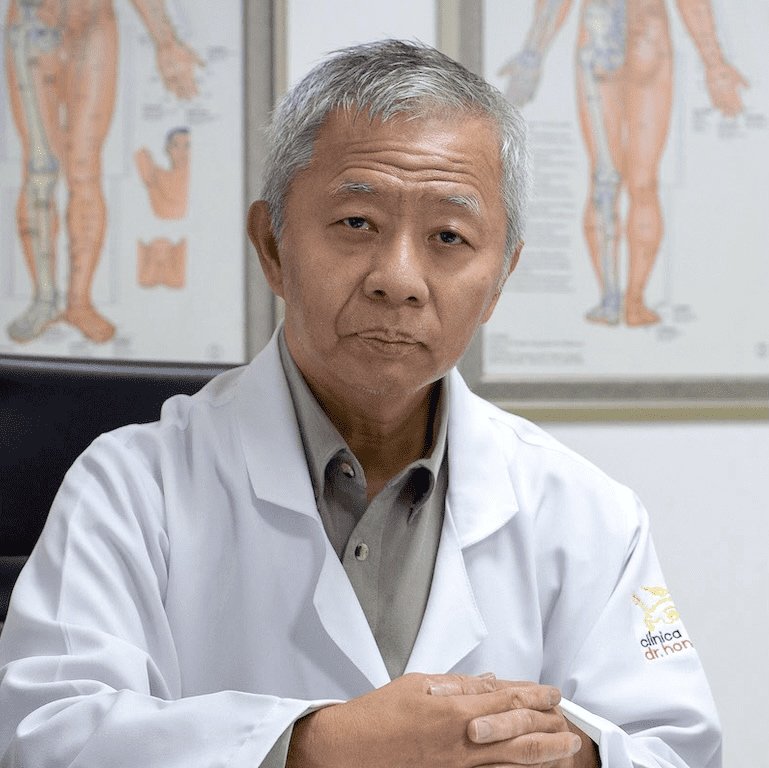
Expert Commentary
Prof. Dr. Hong Jin Pai
PhD in Sciences, University of São Paulo
▸ Clinical Relevance
Refractory IBS represents one of the most frustrating clinical scenarios in the gastroenterology and functional pain clinic: the patient who has gone through months of bowel modulators, antispasmodics, and dietary adjustments and still lives with daily abdominal pain and compromised quality of life. It is precisely in this scenario that this study fits with surgical precision. By demonstrating a 140-point reduction in IBS-SSS with true acupuncture versus 64.4 points with sham — a 75.6-point difference, well above the threshold of clinical relevance commonly accepted for this scale — the study offers the treating physician robust justification for including acupuncture in the therapeutic sequence before escalating to second- or third-line drugs with more complex adverse-event profiles. The 90.6% response rate in the acupuncture group lends these findings immediate practical applicability for the population with documented treatment failure.
▸ Notable Findings
The most striking finding is not simply the superiority of acupuncture over sham, but the magnitude and durability of that superiority. A 75.6-point difference in IBS-SSS at the end of 4 weeks of treatment is clinically meaningful, and the fact that this difference was sustained at weeks 6 and 8 — that is, 2 to 4 weeks after the sessions ended — suggests a disease-modifying effect that goes beyond the immediate response to the procedure. Another finding worth highlighting is the consistent improvement across all individual IBS-SSS domains: pain, frequency, distension, bowel satisfaction, and daily interference improved as a block, indicating that acupuncture acts comprehensively on the symptomatic profile of IBS rather than on a single isolated component. The 8.4-point difference on the IBS-QOL reinforces that the impact translates into patient-perceived functional gains, not just score reductions.
▸ From My Experience
In my practice at the HC-FMUSP Pain Center, I have followed patients with refractory IBS for decades, and the accumulated experience converges with what this study demonstrates in a controlled fashion. I tend to observe the first consistent responses — reduction in pain frequency and bloating — around the third or fourth session, which aligns well with a three-sessions-per-week protocol like the one used in this study. For maintenance, we usually work with 8 to 12 sessions in total, then move to biweekly and eventually monthly spacing depending on response. I frequently combine acupuncture with low-FODMAP dietary guidance and, when there is an evident anxiety component — present in a significant share of these patients — with autonomic regulation techniques and, if necessary, low-dose gut-brain axis modulators. The patient profile that, in my experience, responds best is the one with predominance of pain and bloating over altered bowel habits, which is consistent with the predominance of IBS-D in this study's sample. I do not indicate isolated acupuncture when there is uninvestigated organic comorbidity.
Full original article
Read the full scientific study
Frontiers of Medicine · 2024
DOI: 10.1007/s11684-024-1073-7
Access original articleScientific Review

Marcus Yu Bin Pai, MD, PhD
CRM-SP: 158074 | RQE: 65523 · 65524 · 655241
PhD in Health Sciences, University of São Paulo. Board-certified in Pain Medicine, Physical Medicine and Rehabilitation, and Medical Acupuncture. Scientific review and curation of every entry in this library.
Learn more about the author →Medical disclaimer: This content is for educational purposes only and does not replace consultation, diagnosis, or treatment by a qualified professional. Some information may be assisted by artificial intelligence and is subject to inaccuracies. Always consult a physician.
Content reviewed by the medical team at CEIMEC — Integrated Centre for Chinese Medicine Studies, a reference in Medical Acupuncture for over 30 years.
Related articles
Based on this article’s categories