Effects of different acupuncture methods on polycystic ovarian syndrome: a systematic review and network meta-analysis
Li et al. · BMC Complementary Medicine and Therapies · 2026
Evidence Level
MODERATEOBJECTIVE
To compare different acupuncture techniques in the treatment of PCOS through multidimensional analysis
WHO
5,937 women with PCOS from 59 randomized studies
DURATION
Studies ranging from single treatments to multiple sessions
POINTS
Body acupuncture, electroacupuncture, and catgut embedding
🔬 Study Design
Body Acupuncture
n=2280
manual acupuncture with needles
Electroacupuncture
n=1510
acupuncture with electrical stimulation
Catgut Embedding
n=416
absorbable catgut embedded in points
Controls
n=1731
placebo or standard medication
📊 Results in numbers
Testosterone reduction vs medication
Hirsutism improvement (electroacupuncture)
BMI reduction (catgut)
Increase in pregnancy rate
Percentage highlights
📊 Outcome Comparison
Efficacy for testosterone (SUCRA)
Efficacy for hirsutism (SUCRA)
This study shows that different acupuncture techniques have unique benefits for women with PCOS. Catgut embedding is better for reducing male hormones and weight, electroacupuncture works best for excess hair and glucose, while traditional acupuncture improves the chances of pregnancy.
Article summary
Plain-language narrative summary
This network meta-analysis represents the most comprehensive study to date on different acupuncture techniques for polycystic ovarian syndrome (PCOS), analyzing 59 studies with 5,937 participants. PCOS affects 10-13% of women globally, causing menstrual irregularities, infertility, insulin resistance, and metabolic disorders. The study compared three main techniques: traditional body acupuncture, electroacupuncture, and catgut embedding at specific points. The methodology used Bayesian analysis to combine direct and indirect evidence, allowing simultaneous comparison of all interventions.
The results reveal that no single technique is superior for all aspects of PCOS, but each presents specific advantages. For hyperandrogenism, catgut embedding proved most effective in reducing testosterone levels (SUCRA=81.7%), while electroacupuncture was superior for hirsutism, significantly reducing Ferriman-Gallwey scores by 1.52 points compared with placebo. As for metabolic disorders, catgut embedding stood out in reducing body mass index (SUCRA=90.9%) and waist-to-hip ratio (SUCRA=95.3%). Traditional acupuncture was most recommended for reducing triglycerides and increasing HDL, while electroacupuncture proved preferable for reducing LDL and fasting glucose.
Interestingly, conventional medication remained superior for reducing insulin resistance (HOMA-IR). For sex hormone disorders, catgut embedding was most effective in reducing luteinizing hormone and the LH/FSH ratio. Crucially, for infertility, traditional acupuncture significantly increased the pregnancy rate by 33% compared with medication (RR=1.33). Proposed mechanisms include regulation of the hypothalamic-pituitary-ovarian axis, improved insulin sensitivity, and modulation of metabolic pathways.
Acupuncture proved safe, with serious adverse events being extremely rare (0-1.1/10,000). Limitations include significant heterogeneity across studies, variations in acupuncture techniques, different diagnostic criteria, and limited sample sizes for some outcomes. Sensitivity analysis confirmed the overall robustness of the results. This study provides important evidence for personalizing treatment based on the patient's main clinical concerns, suggesting that physicians can choose specific techniques according to the predominant PCOS symptoms.
Strengths
- 1First network meta-analysis comparing acupuncture techniques for PCOS
- 2Large sample size (5,937 participants) from multiple studies
- 3Comprehensive analysis of four main clinical domains
- 4Robust Bayesian methodology with sensitivity analyses
Limitations
- 1High heterogeneity across studies for multiple outcomes
- 2Significant variations in acupuncture techniques and point selection
- 3Limitation to English- and Chinese-language studies only
- 4Small sample sizes for some specific outcomes
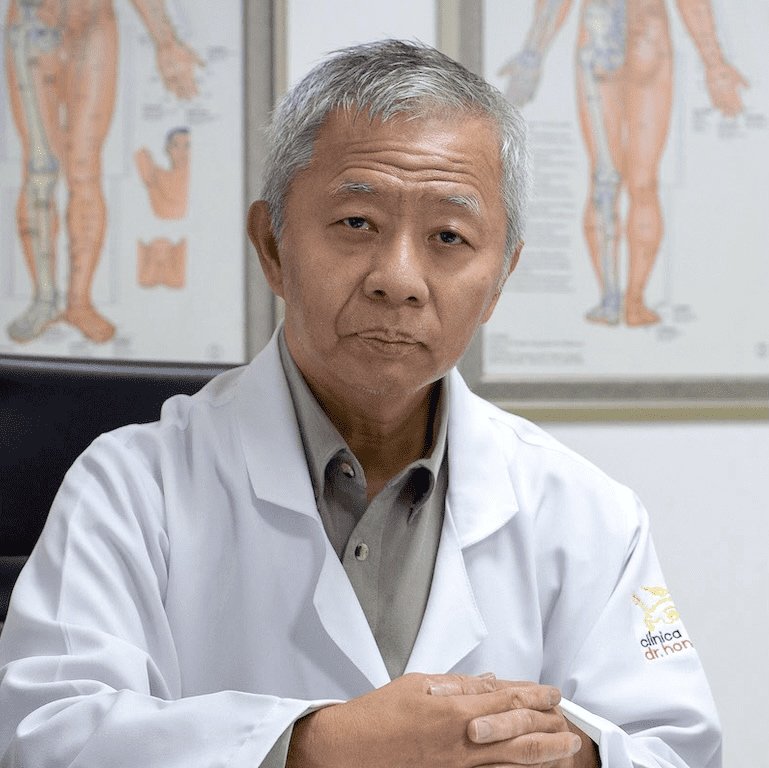
Expert Commentary
Prof. Dr. Hong Jin Pai
PhD in Sciences, University of São Paulo
▸ Clinical Relevance
PCOS represents one of the most complex therapeutic challenges in reproductive medicine, precisely because its phenotypes are heterogeneous — there is the predominantly hyperandrogenic patient, the one with marked insulin resistance, the one presenting with isolated infertility, and the one who accumulates all these disorders simultaneously. This network meta-analysis, by stratifying benefits by acupuncture technique and by clinical domain, offers the clinician a therapeutic decision map that goes beyond the generic 'acupuncture helps in PCOS.' For the patient with hyperandrogenism and weight gain resistant to conventional measures, catgut embedding emerges as a concrete adjuvant option. For the one in a fertility protocol, body acupuncture with a 33% increase in pregnancy rate over medication alone has immediate relevance. Integration with metformin, antiandrogens, and ovulation inducers can now be guided by clinical profile, not by random preference for one technique.
▸ Notable Findings
The finding that most deserves attention is the dissociation of efficacy among techniques according to the outcome evaluated — no modality dominates all domains, which is biologically plausible and clinically useful. Catgut embedding reaching SUCRA of 90.9% for BMI and 95.3% for waist-to-hip ratio signals a sustained metabolic effect, likely related to prolonged stimulation of the point over days or weeks, a pharmacokinetic differential nonexistent in the other techniques. Electroacupuncture standing out in hirsutism with a 1.52-point reduction on the Ferriman-Gallwey scale is relevant because this outcome rarely responds quickly to any intervention. Equally worth noting is the fact that conventional medication remains superior for HOMA-IR — a reminder that acupuncture is a strategic adjuvant, not a substitute, especially in patients with documented insulin resistance.
▸ From My Experience
In my practice at the Acupuncture Group of the Pain Center at HC-FMUSP, I frequently see patients referred by gynecology with refractory PCOS or with contraindications to combined oral contraceptives. I have observed that hormonal responses usually emerge between the sixth and tenth session, while menstrual changes — more regular cycles — generally appear after eight to twelve weeks of continuous treatment. For metabolic profiles, I usually combine electroacupuncture at points on the stomach and spleen-pancreas meridians with supervised nutritional guidance; the combined results exceed any isolated technique. I have reserved catgut embedding for patients with difficulty adhering to weekly frequency — the prolonged stimulation compensates for the smaller number of sessions. I do not indicate acupuncture as monotherapy when insulin resistance is the central problem and there is associated metabolic syndrome; in these cases, metformin remains irreplaceable, as the study itself confirms by keeping medication superior for HOMA-IR.
Full original article
Read the full scientific study
BMC Complementary Medicine and Therapies · 2026
DOI: 10.1186/s12906-026-05295-5
Access original articleScientific Review

Marcus Yu Bin Pai, MD, PhD
CRM-SP: 158074 | RQE: 65523 · 65524 · 655241
PhD in Health Sciences, University of São Paulo. Board-certified in Pain Medicine, Physical Medicine and Rehabilitation, and Medical Acupuncture. Scientific review and curation of every entry in this library.
Learn more about the author →Medical disclaimer: This content is for educational purposes only and does not replace consultation, diagnosis, or treatment by a qualified professional. Some information may be assisted by artificial intelligence and is subject to inaccuracies. Always consult a physician.
Content reviewed by the medical team at CEIMEC — Integrated Centre for Chinese Medicine Studies, a reference in Medical Acupuncture for over 30 years.
Related articles
Based on this article’s categories