Acupuncture, from the Ancient to the Current
Zhu et al. · The Anatomical Record · 2021
Evidence Level
STRONGOBJECTIVE
Review the history, current status, evidence, and mechanisms of acupuncture from ancient times to the present
SCOPE
Global historical and scientific literature on acupuncture
PERIOD
From the Neolithic period to 2021
POINTS
Zusanli (ST-36), Baihui (GV-20), Quchi (LI-11), Hegu (LI-4), among others
🔬 Study Design
Narrative Review
n=0
Comprehensive historical and scientific analysis
📊 Results in numbers
Countries with some form of acupuncture
Patients included in pain meta-analysis
Clinical studies in meta-analysis
Historically documented acupuncture points
📊 Outcome Comparison
Historical evolution of acupuncture
This review shows that acupuncture has evolved from a centuries-old Chinese practice into a scientifically validated and globally accepted therapy. Today there is robust evidence of its effectiveness for pain, digestive disorders, and other conditions.
Article summary
Plain-language narrative summary
This review article offers a comprehensive perspective on the evolution of acupuncture, from its origins in the Neolithic period to its current status as a globally recognized integrative therapy. Acupuncture, characterized by the insertion of fine needles at specific points of the body, has its roots deeply embedded in traditional Chinese medicine, based on the concepts of Qi, meridians, and the balance between Yin and Yang. The history of acupuncture reveals periods of prosperity and decline. The earliest instruments were stone needles from the Neolithic period, evolving into bronze, iron, gold, and silver needles across dynasties.
The foundational text 'The Yellow Emperor's Classic of Internal Medicine' (200 BCE) established the systematic theory of acupuncture. During the Jin, Song, and Ming dynasties, the practice was refined, with the documentation of 365 acupuncture points and the creation of bronze statues for teaching. The modern period brought significant challenges, especially during the late Qing dynasty, when Western medicine gained prominence and acupuncture was deemed superstitious. In 1822 it was excluded from the Imperial Medical Institute, and it was even banned in 1929.
The revival of acupuncture began in 1949 with the establishment of the new China. Danan Cheng developed stainless steel needles in 1953, making treatment more comfortable and acceptable. Electroacupuncture emerged in the 1950s, offering objective parameters and increasing clinical effectiveness. The successful use of acupuncture as surgical anesthesia in the 1960s, including pneumonectomies, significantly accelerated its development.
Global dissemination of acupuncture accelerated after 1971, when James Reston reported his experience with acupuncture after appendectomy in China. The U.S. National Institutes of Health recognized its effectiveness and included it in health insurance systems. Currently, 183 of 202 countries and regions worldwide use some form of Chinese acupuncture.
In 2010, UNESCO inscribed Chinese acupuncture on the Representative List of the Intangible Cultural Heritage of Humanity. Modern scientific research has provided robust evidence of acupuncture's effectiveness. For analgesia, a meta-analysis including 20,827 patients from 39 studies demonstrated efficacy for musculoskeletal pain, osteoarthritis, chronic headache, and shoulder pain. Proposed mechanisms include segmental inhibition, activation of endogenous opioid pathways, and modulation of central sensitization.
Neuroimaging studies have revealed the role of the amygdala in antinociceptive effects. For gastrointestinal disorders, randomized controlled trials have shown that 8 weeks of electroacupuncture significantly increased spontaneous bowel movements in patients with severe chronic functional constipation, with effects sustained for 20 weeks. Acupuncture has been shown to regulate gastric motility, gastrointestinal hormones, and autonomic nervous system functions. In the treatment of stroke, acupuncture is recommended by the WHO as a complementary strategy.
Studies show benefits in improving neurological deficits, dysphagia, cognitive impairment, and lower-limb dysfunction. Mechanisms include promotion of neurogenesis, regulation of cerebral blood flow, anti-apoptosis, and improvement of long-term potentiation. Other conditions with positive evidence include stress urinary incontinence, primary insomnia, Alzheimer's disease, and primary Sjögren's syndrome. Frequently used points include Zusanli (ST-36), Baihui (GV-20), Quchi (LI-11), and Hegu (LI-4).
However, there are also important negative findings. The PCOSAct trial showed that acupuncture did not increase live births in Chinese women with polycystic ovary syndrome. Studies on menopausal hot flashes also failed to demonstrate superiority over noninvasive sham acupuncture. These limitations underscore the importance of rigorous research protocols and consideration of individualized treatments based on TCM syndrome differentiation.
The future of acupuncture lies in the continued integration of high-quality clinical evidence with basic research elucidating mechanisms of action. This dual approach will enable significant advances in the understanding and application of this centuries-old therapy in the context of modern medicine.
Strengths
- 1Comprehensive and well-documented historical review
- 2Integration of historical and modern scientific perspectives
- 3Balanced analysis including positive and negative evidence
- 4Global coverage of acupuncture dissemination
Limitations
- 1Does not provide detailed critical analysis of methodological quality
- 2Limited discussion of cultural variations in practice
- 3Lack of economic analysis of the impact of acupuncture
📅 Historical Context
Expert Commentary
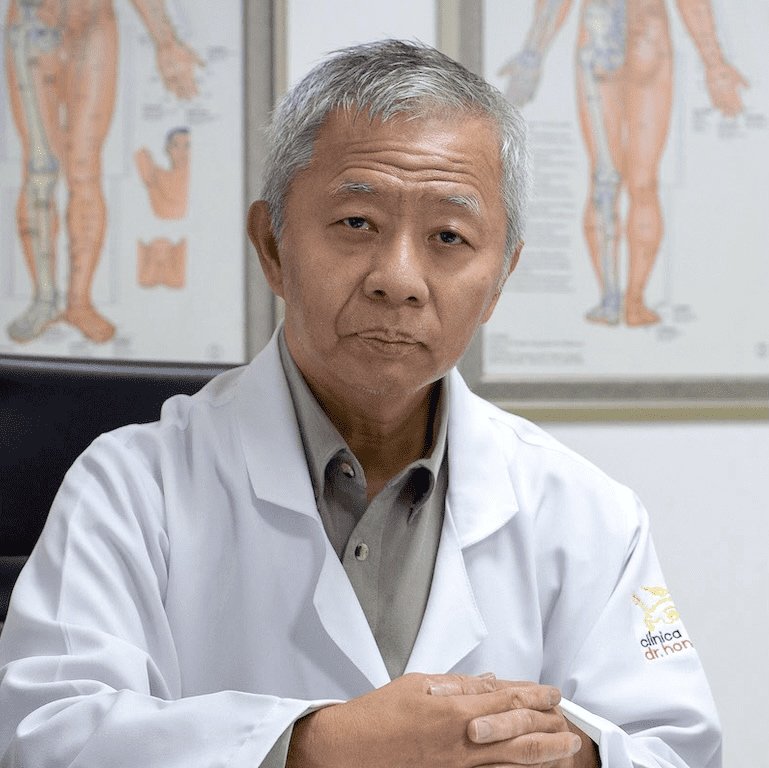
Prof. Dr. Hong Jin Pai
PhD in Sciences, University of São Paulo
▸ Clinical Relevance
A review with this magnitude of historical scope serves a much more pragmatic purpose than it might first appear: it offers the physician practicing acupuncture a solid conceptual framework for communicating to patients and multiprofessional teams the degree of maturity this specialty has reached. The fact that 183 of 202 countries already incorporate some form of acupuncture is not geopolitical trivia — it is an argument for institutional credibility. From a care perspective, the synthesis of evidence for musculoskeletal pain, osteoarthritis, chronic headache, and severe functional constipation directly guides candidate selection in pain and gastroenterology clinics. The inclusion of acupuncture as a complementary strategy in stroke, endorsed by the WHO, reinforces neurological rehabilitation protocols where the conventional therapeutic window has already closed, expanding the possibilities for functional recovery.
▸ Notable Findings
The meta-analysis of 39 studies involving 20,827 patients consolidates in striking fashion the analgesic efficacy of acupuncture, with mechanisms ranging from segmental inhibition to activation of endogenous opioid pathways and modulation of central sensitization — neuroimaging data implicating the amygdala in antinociception add a neurobiological dimension previously underappreciated in clinical practice. Equally notable is the sustained effect of electroacupuncture in severe chronic functional constipation, with gains in spontaneous bowel movements observed over 20 weeks — a clinically relevant finding in polymedicated elderly populations where chronic laxatives represent a real risk. The article also deserves credit for documenting negative results: the lack of superiority over sham acupuncture in hot flashes and in fertility in the context of polycystic ovary syndrome reinforces the need for diagnostic individualization through TCM syndrome differentiation, something that distinguishes the well-trained specialist from the protocol-driven prescriber.
▸ From My Experience
In my practice at the Pain Center of HC-FMUSP, the historical trajectory described in this article resonates directly: over the decades, I have followed the transition of acupuncture from a peripheral therapy to an integrated component of institutional chronic pain protocols. For musculoskeletal pain and headache, I usually observe a perceptible response between the third and fifth session, with consolidation between the eighth and twelfth — a profile that aligns well with the cited literature. I routinely combine electroacupuncture with supervised therapeutic exercise and, when indicated, with low-risk analgesics, especially in elderly patients who cannot tolerate NSAIDs. The patient profile that responds best, in my experience, is the one with non-oncologic chronic pain with a central sensitization component and comorbidities that limit pharmacologic options. I avoid recommending acupuncture as monotherapy in conditions with a poorly defined TCM pattern — exactly the warning that the negative findings of this article reinforce with robust data.
Full original article
Read the full scientific study
The Anatomical Record · 2021
DOI: 10.1002/ar.24625
Access original articleScientific Review

Marcus Yu Bin Pai, MD, PhD
CRM-SP: 158074 | RQE: 65523 · 65524 · 655241
PhD in Health Sciences, University of São Paulo. Board-certified in Pain Medicine, Physical Medicine and Rehabilitation, and Medical Acupuncture. Scientific review and curation of every entry in this library.
Learn more about the author →Medical disclaimer: This content is for educational purposes only and does not replace consultation, diagnosis, or treatment by a qualified professional. Some information may be assisted by artificial intelligence and is subject to inaccuracies. Always consult a physician.
Content reviewed by the medical team at CEIMEC — Integrated Centre for Chinese Medicine Studies, a reference in Medical Acupuncture for over 30 years.
Related articles
Based on this article’s categories