The Anti-Inflammatory Actions and Mechanisms of Acupuncture from Acupoint to Target Organs via Neuro-Immune Regulation
Li et al. · Journal of Inflammation Research · 2021
Evidence Level
STRONGOBJECTIVE
Review the anti-inflammatory mechanisms of acupuncture across multiple biological systems through neuro-immune regulation
WHO
Analysis of basic-science studies on acupuncture and inflammation
DURATION
5-year review (2016–2021)
POINTS
ST-36 (Zusanli 足三里), LI-4 (Hegu 合谷), GV-20 (Baihui 百会), SP-6 (Sanyinjiao 三阴交)
🔬 Study Design
Included studies
n=363
Basic research on acupuncture and inflammation
Excluded articles
n=818
Unrelated or clinical studies
📊 Results in numbers
Biological systems affected
TNF-α reduction
M2 macrophage activation
NF-κB pathway
Percentage highlights
📊 Outcome Comparison
Systems with anti-inflammatory evidence
This study shows that acupuncture works as a powerful natural anti-inflammatory throughout the body. The technique acts by changing how defense cells respond, transforming cells that cause inflammation into cells that heal and protect tissues. This explains why acupuncture helps in so many different conditions.
Article summary
Plain-language narrative summary
Acupuncture is a longstanding medical practice that has demonstrated efficacy in the treatment of various inflammatory conditions. A comprehensive scientific review study, recently published in the Journal of Inflammation Research, investigated the mechanisms by which acupuncture exerts its powerful anti-inflammatory effects across multiple systems of the human body.
## Background and Importance of the Topic
Inflammation is a natural defense response of the body, essential for combating infections and repairing damaged tissues. However, when it becomes chronic or uncontrolled, it can lead to the development of various serious diseases, including rheumatoid arthritis, asthma, cardiovascular diseases, and neurological disorders. Conventional anti-inflammatory medications, although effective, frequently cause significant side effects such as hypertension, diabetes, gastrointestinal problems, and immunosuppression, making patients more vulnerable to infections.
The World Health Organization recognizes acupuncture as an effective treatment for 16 types of inflammatory diseases, and various clinical studies have demonstrated its ability to reduce excessive inflammatory responses without the adverse effects of traditional medications. This makes understanding its mechanisms of action fundamental for expanding its therapeutic use.
## Study Objective and Methodology
The main objective of this study was to clarify the common mechanisms by which acupuncture produces anti-inflammatory effects, from stimulation of acupuncture points to target organs, through neuro-immune regulation. The investigators conducted a systematic review of the scientific literature from the past five years, analyzing studies that investigated the anti-inflammatory effects of acupuncture in different organ systems.
The methodology involved searching scientific databases (PubMed and Embase) using specific terms related to acupuncture and inflammation. After a rigorous selection process, 363 basic-research studies meeting the established criteria were included. The data were organized according to the organ systems affected and the biological mechanisms involved.
## Main Results and Findings
Results revealed that acupuncture exerts consistent anti-inflammatory effects across multiple systems: immune, digestive, respiratory, nervous, locomotor, circulatory, endocrine, and genitourinary. The central mechanism involves regulation of immune system cells, particularly macrophages and lymphocytes.
The research demonstrated that acupuncture promotes the transformation of type M1 macrophages (pro-inflammatory) into type M2 macrophages (anti-inflammatory). This process occurs through activation of PPARγ, a negative regulator of the TLR4 receptor, which in turn inhibits intracellular signaling pathways such as TLR/MyD88 and NOD. As a consequence, the NF-κB and P38 MAPK pathways are suppressed, reducing the production of pro-inflammatory substances such as TNF-α, IL-1β, IL-6, and IL-18, while increasing the production of anti-inflammatory mediators such as IL-10.
In addition, acupuncture modulates the balance of T helper (Th) cells, promoting a more anti-inflammatory profile depending on the condition treated. In autoimmune diseases, it favors Th2 and Treg cells; in allergic conditions, it promotes Th1 cells. The study also revealed that acupuncture combats oxidative stress through the Nrf2/HO-1 pathway, increasing superoxide dismutase (SOD) activity and eliminating harmful free radicals.
## Clinical Implications for Patients and Clinicians
These findings have important implications for clinical practice. For patients, the study offers a solid scientific basis for the use of acupuncture as an alternative or complement to conventional anti-inflammatory treatments. Acupuncture has been shown to be particularly effective in conditions such as rheumatoid arthritis, asthma, inflammatory bowel disease, stroke, neurodegenerative diseases, and sepsis.
For clinicians, the results provide important guidance on acupuncture point selection. The study identified that points such as Zusanli (ST-36), Hegu (LI-4), and Baihui (GV-20) are frequently the most effective for different inflammatory conditions. Combining multiple points generally produces better results than using isolated points.
The identified neuro-immune mechanism explains how stimulation of specific points on the skin can produce systemic effects. Acupuncture activates neural pathways that transmit signals to the brain, which responds by activating systems such as the cholinergic anti-inflammatory pathway, the hypothalamic-pituitary-adrenal axis, and the sympathetic nervous system, releasing neurotransmitters and hormones that modulate the immune response throughout the body.
## Limitations and Final Considerations
Although the results are promising, there are some important limitations to consider. Most included studies were conducted in animal models, primarily rats, which may limit direct applicability to humans. There is a need for more controlled clinical studies to fully validate these mechanisms in patients.
Another limitation is the variability in acupuncture parameters used across studies, including electrical stimulation frequency, treatment duration, and point combinations. This makes it difficult to establish standardized protocols for specific conditions. Future studies should focus on optimizing these parameters to maximize therapeutic benefits.
The study also highlights the need for more research on the interaction between acupuncture and conventional medications, since some work has suggested interesting synergistic effects that could benefit patients. Finally, there is a need for more in-depth investigation of the exact mechanisms by which different acupuncture points exert specific effects on different organs and systems.
In conclusion, this comprehensive review provides robust scientific evidence that acupuncture has well-defined and clinically relevant anti-inflammatory mechanisms. These findings offer a solid basis for the integration of acupuncture into conventional healthcare, especially for patients with chronic inflammatory conditions who seek alternatives to traditional medications or who want a safer and more effective complementary approach.
Strengths
- 1Comprehensive review of 363 quality studies
- 2Detailed analysis of molecular mechanisms
- 3Coverage of multiple biological systems
- 4Clear identification of anti-inflammatory pathways
Limitations
- 1Focus only on preclinical studies
- 2Variability in experimental models
- 3Need for more clinical studies
- 4Some mechanisms still not fully elucidated
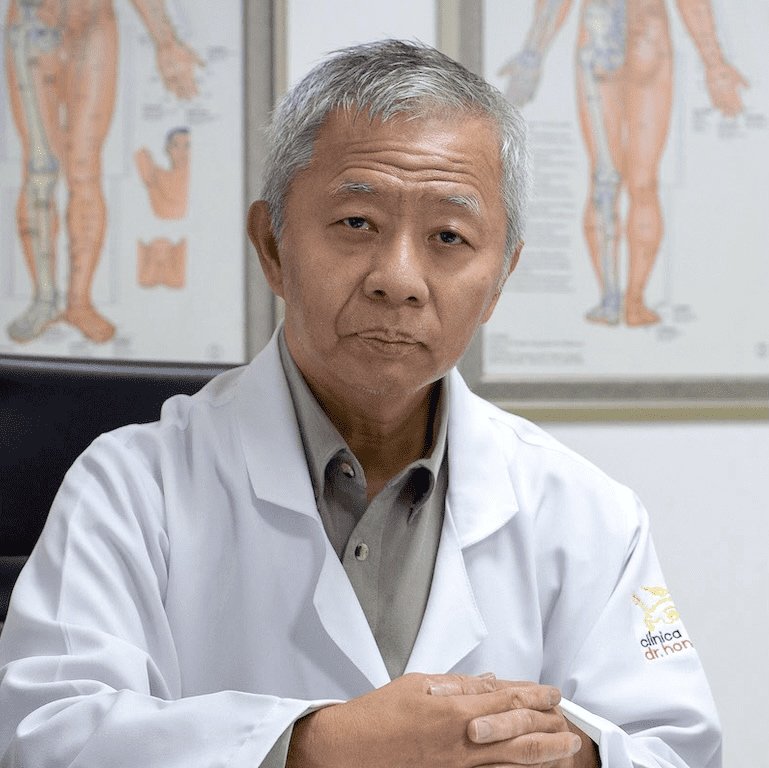
Expert Commentary
Prof. Dr. Hong Jin Pai
PhD in Sciences, University of São Paulo
▸ Clinical Relevance
Neuro-immune regulation by acupuncture ceases to be an abstract concept and gains identifiable molecular substrate, which transforms the conversation with rheumatologists, pulmonologists, and neurologists. When I discuss indications in the multidisciplinary clinic, the mapping of eight biological systems affected—immune, digestive, respiratory, nervous, locomotor, circulatory, endocrine, and genitourinary—offers concrete arguments for integrating acupuncture into protocols where corticosteroids or immunosuppressants carry unacceptable long-term risk. Patients with rheumatoid arthritis on prolonged methotrexate use, those with inflammatory bowel disease with corticosteroid dependence, or older patients with difficult-to-control asthma represent scenarios in which the modulatory effect—without global immunosuppression—confers on acupuncture a genuine therapeutic position, not merely a symbolic adjunct.
▸ Notable Findings
The phenotypic conversion of M1 to M2 macrophages mediated by PPARγ activation and the consequent inhibition of TLR/MyD88, NF-κB, and P38 MAPK pathways is the most elegant finding of this review. It provides mechanistic coherence to what we observe clinically: reduction of TNF-α, IL-1β, and IL-6 with simultaneous increase in IL-10, without the global immunosuppression typical of glucocorticoids. Equally relevant is the adaptive modulation of the T helper profile—favoring Th2 and Treg in autoimmune diseases, but reverting to Th1 in allergic conditions—which suggests a bidirectional, context-dependent regulatory effect rather than simply suppression. Activation of the Nrf2/HO-1 pathway with elevation of superoxide dismutase adds an antioxidant dimension that integrates inflammation and oxidative stress into a single coordinated therapeutic response.
▸ From My Experience
In my practice at the Pain Center of HC-FMUSP, I have observed that patients with systemic inflammatory diseases respond at a different pace from patients with focal musculoskeletal pain. I typically see the first objective signs—reduction in joint swelling, improvement in morning stiffness—starting from the third or fourth session, with functional stabilization generally between the eighth and twelfth session. Points such as Zusanli (ST-36) and Hegu (LI-4) are part of the base protocol we have used for decades, and the review by Li et al. validates this choice with molecular precision we did not previously have. I routinely combine acupuncture with supervised exercise and, in rheumatologic cases, maintain baseline pharmacotherapy without abrupt reduction—the synergy observed clinically is real and now has mechanistic support. I do not recommend isolated anti-inflammatory acupuncture in active sepsis or severe immunosuppression; in those cases, the role is strictly adjunctive and monitored.
Full original article
Read the full scientific study
Journal of Inflammation Research · 2021
DOI: 10.2147/jir.s341581
Access original articleScientific Review

Marcus Yu Bin Pai, MD, PhD
CRM-SP: 158074 | RQE: 65523 · 65524 · 655241
PhD in Health Sciences, University of São Paulo. Board-certified in Pain Medicine, Physical Medicine and Rehabilitation, and Medical Acupuncture. Scientific review and curation of every entry in this library.
Learn more about the author →Medical disclaimer: This content is for educational purposes only and does not replace consultation, diagnosis, or treatment by a qualified professional. Some information may be assisted by artificial intelligence and is subject to inaccuracies. Always consult a physician.
Content reviewed by the medical team at CEIMEC — Integrated Centre for Chinese Medicine Studies, a reference in Medical Acupuncture for over 30 years.
Related articles
Based on this article’s categories