Therapeutic exercise
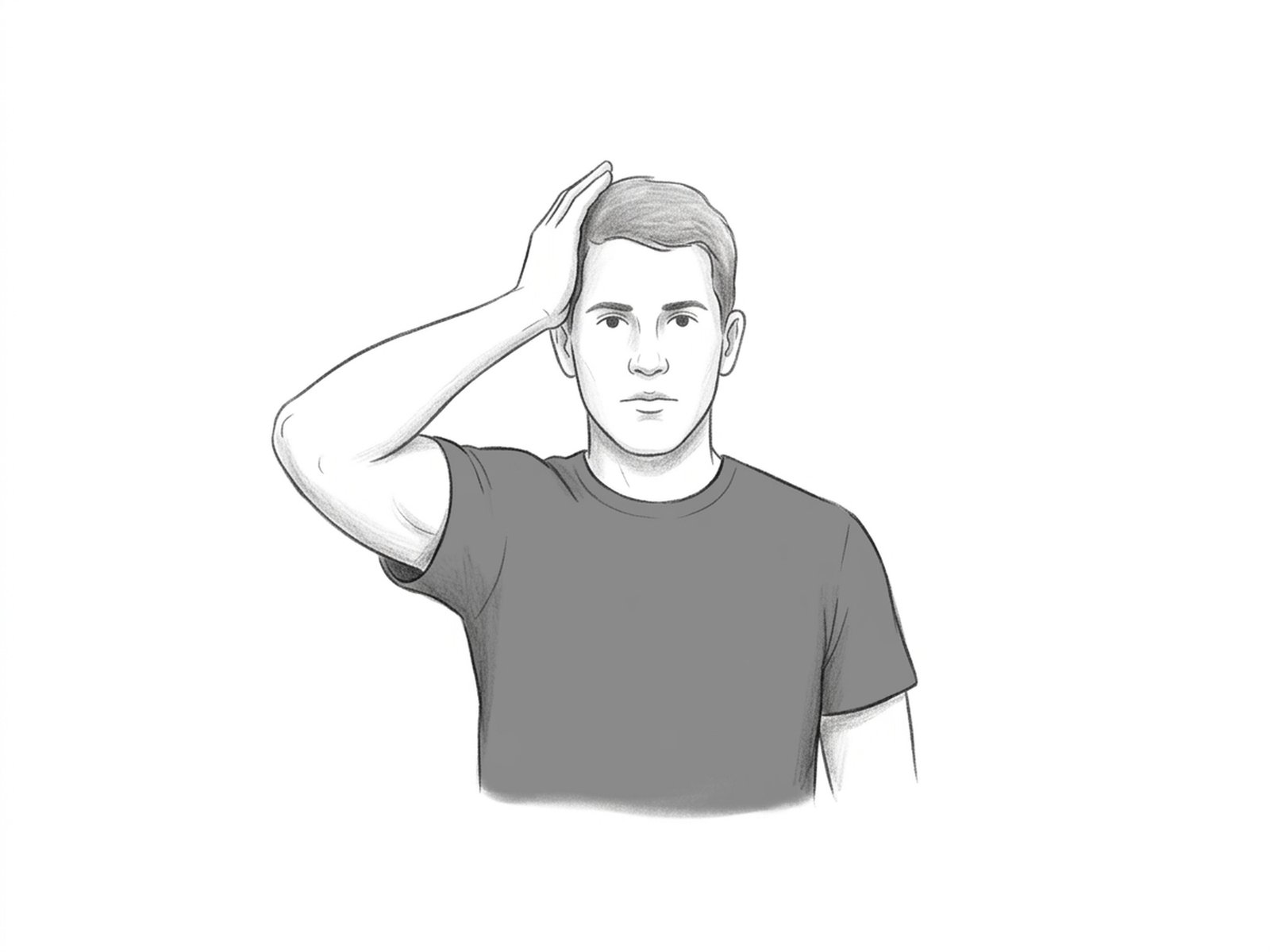
Multidirectional Cervical Isometrics
Safe isometric strengthening of the deep cervical musculature without joint movement. Ideal for spondylosis when active range of motion is uncomfortable.
How to perform
- Starting position. Sit upright with your spine aligned.
- Step 2. Press your palm against your forehead without moving your head, counting 5 seconds.
- Step 3. Repeat pressing the palm against the right side, then the left side, then the back of the head.
- Return. Keep breathing continuously and avoid hunching your shoulders.
When not to perform
- Dizziness
- Headache during the exercise
- Active positional vertigo
Medical disclaimer. These exercises are presented for informational purposes only. Always consult your physician before starting any exercise program, especially in case of acute pain, recent injury, or underlying clinical condition.
Related Exercises
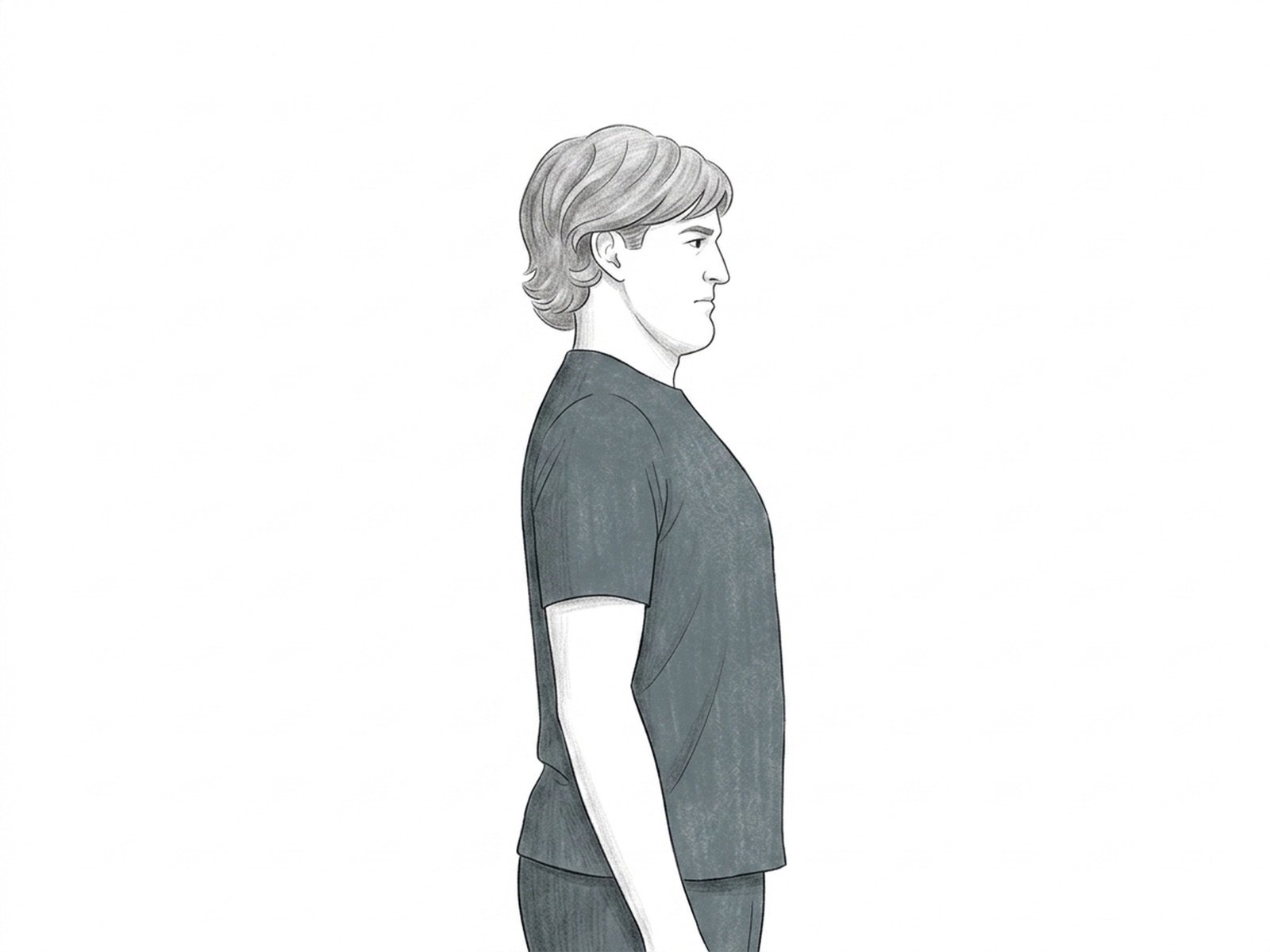
Cervical Retraction (Chin Tuck)
Activates the deep cervical flexors — longus colli and longus capitis — muscles essential for cervical stabilization and frequently inhibited in chronic neck-pain patterns.
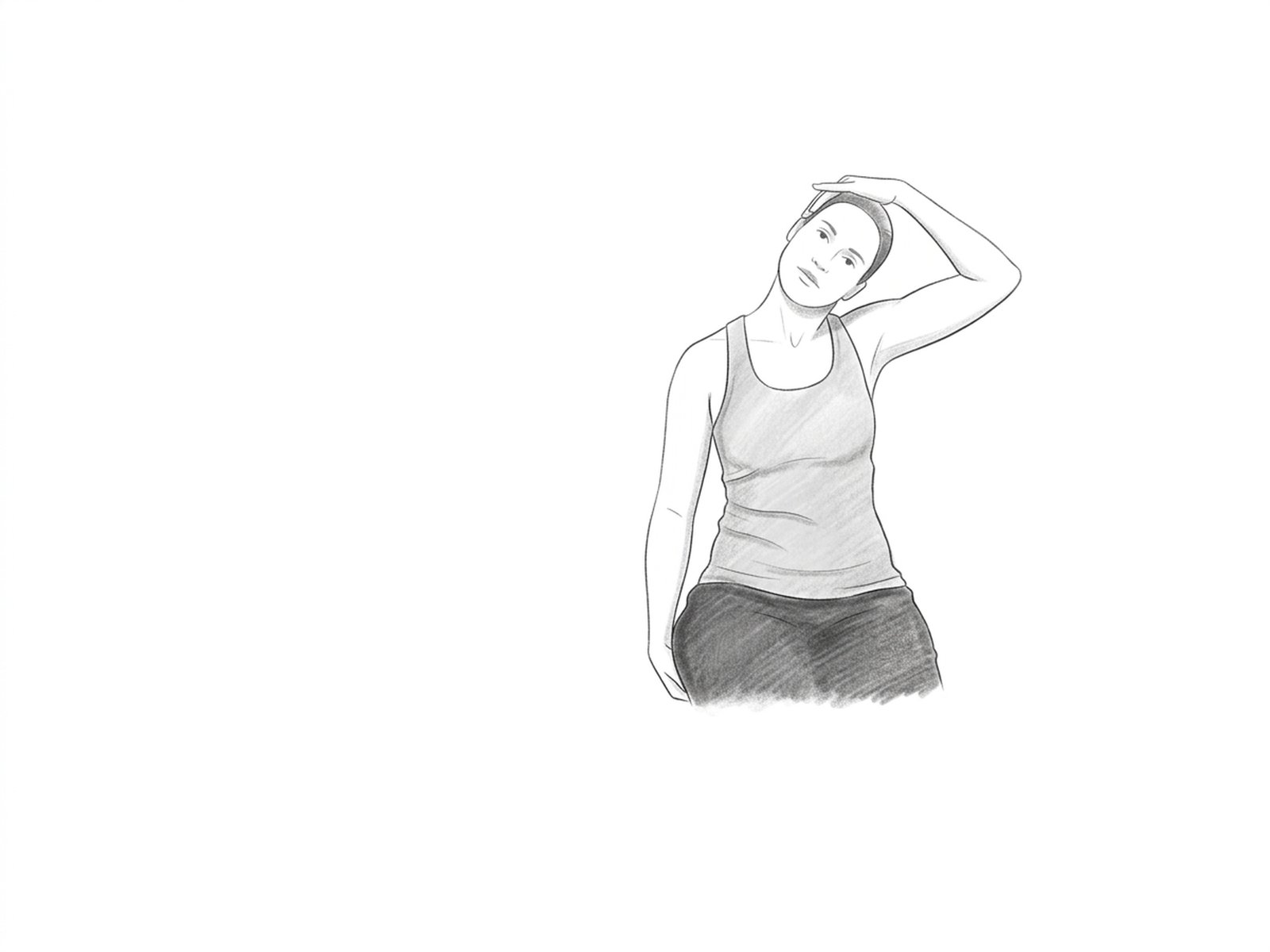
Upper-Trapezius Stretch
Stretches the upper trapezius — a muscle that is commonly hypertonic in patients with mechanical neck pain. Relieves the sensation of heaviness and tension in the neck and shoulders.
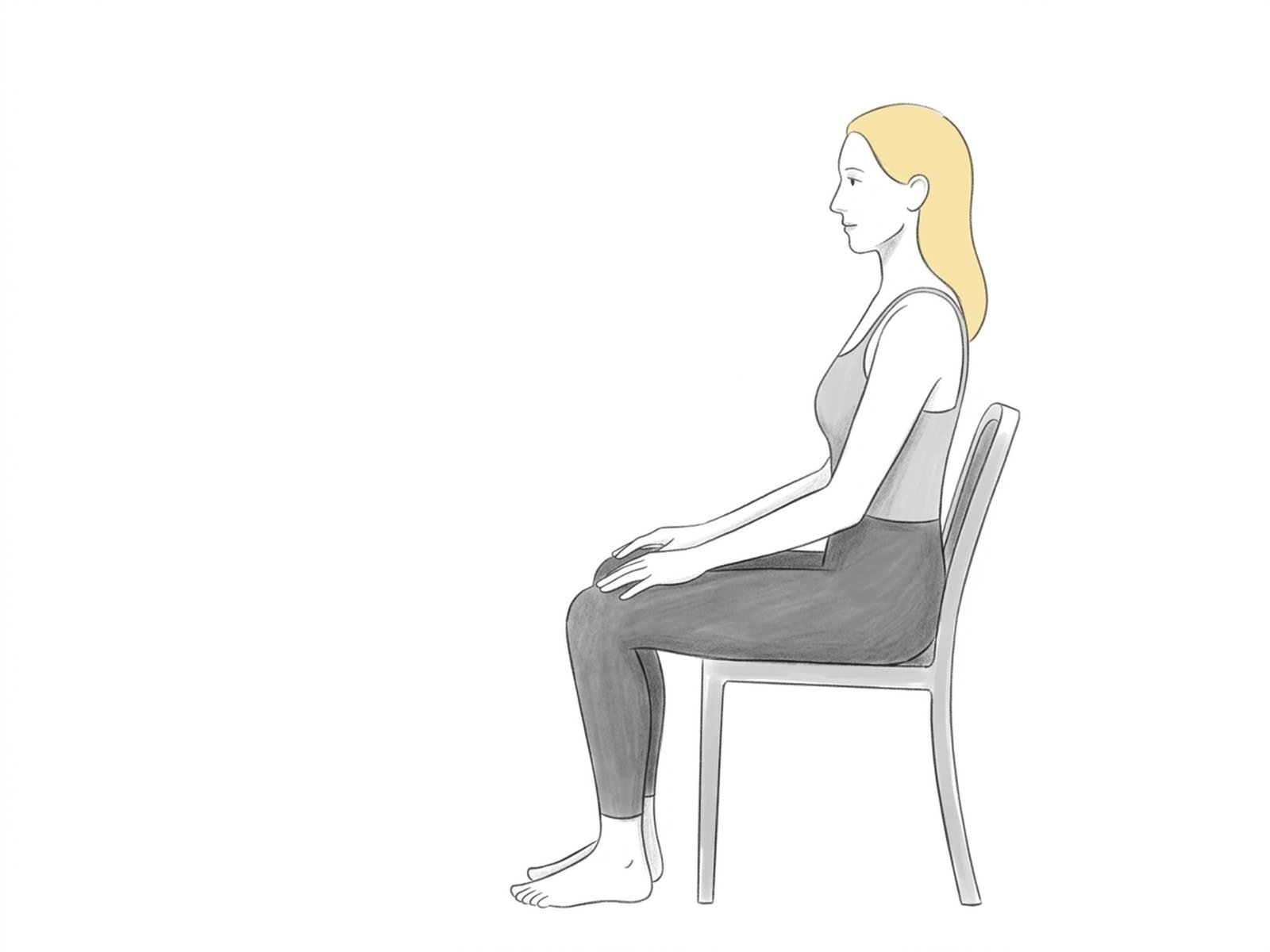
Deep Cervical Flexor Activation (Head Nod)
Isolated recruitment of the deep cervical flexors (longus colli and longus capitis) without activating the sternocleidomastoid. The foundation of cervical postural retraining — patients with upper-crossed syndrome almost always have these muscles inhibited.