Copenhagen planks
The Copenhagen plank is a high-intensity eccentric and isometric strengthening exercise targeting the adductor complex and lateral core musculature. It helps rehabilitate adductor strains by increasing the tissues' load tolerance and eccentric strength, which may help reduce the risk of recurrent groin injury.
Muscles worked
Illustration demonstrating the position of the Copenhagen planks exercise.
Biomechanical Execution Sequence
05 phases- Starting position
Lie on your side with your forearm supporting your upper body and place your top foot or ankle on a weight bench or sturdy chair.
- Phase 2
Keep your bottom leg resting on the floor and ensure your body is in a straight line from head to toe.
- Phase 3
Push through your top foot and forearm to lift your hips and bottom leg off the floor until your bottom leg meets the bench.
- Phase 4
Hold the top position isometrically or slowly lower your hips and bottom leg back to the starting position for repetitions.
- Return
Maintain a braced core throughout the movement to prevent your hips from sagging or rotating.
Prescribed in Clinical Guides
Medical disclaimer. These exercises are presented for informational purposes only. Always consult your physician before starting any exercise program, especially in case of acute pain, recent injury, or underlying clinical condition.
Related Exercises

Side planks
The side plank is an isometric stabilization exercise that engages the lateral core musculature to resist lateral spinal flexion. For Quadratus Lumborum (QL) Myofascial Pain Syndrome, it builds endurance and load tolerance in the QL, reducing compensatory overactivity and spasm. This improved neuromuscular control promotes local tissue desensitization and functional lumbopelvic stability.
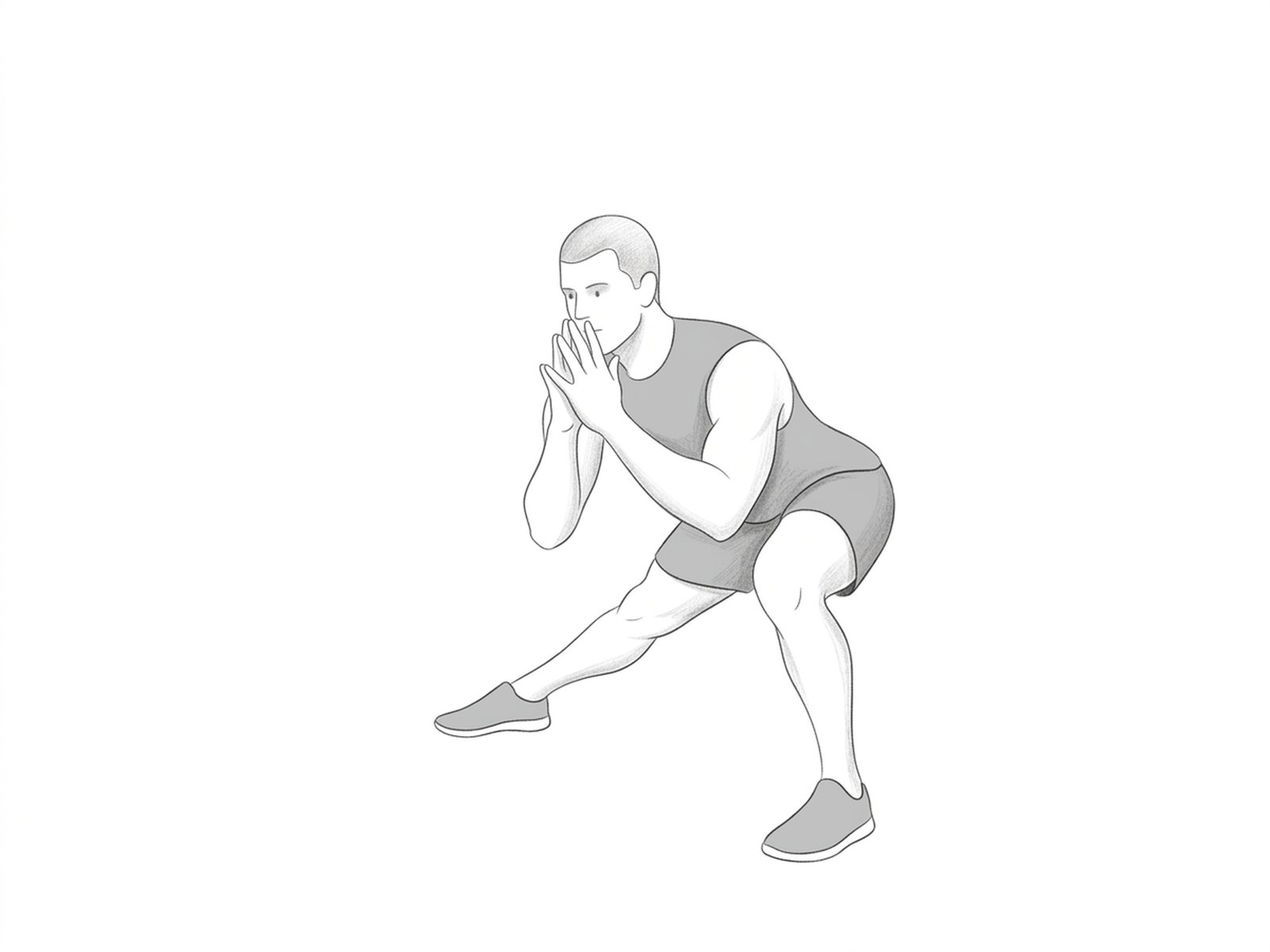
Sliding Lateral Lunge
Lateral lunge in the frontal plane with sliding of the contralateral leg, creating dynamic stretching of the adductors combined with eccentric strengthening. In adductor strain rehab, it is the bridge exercise between isometric work and sporting function.
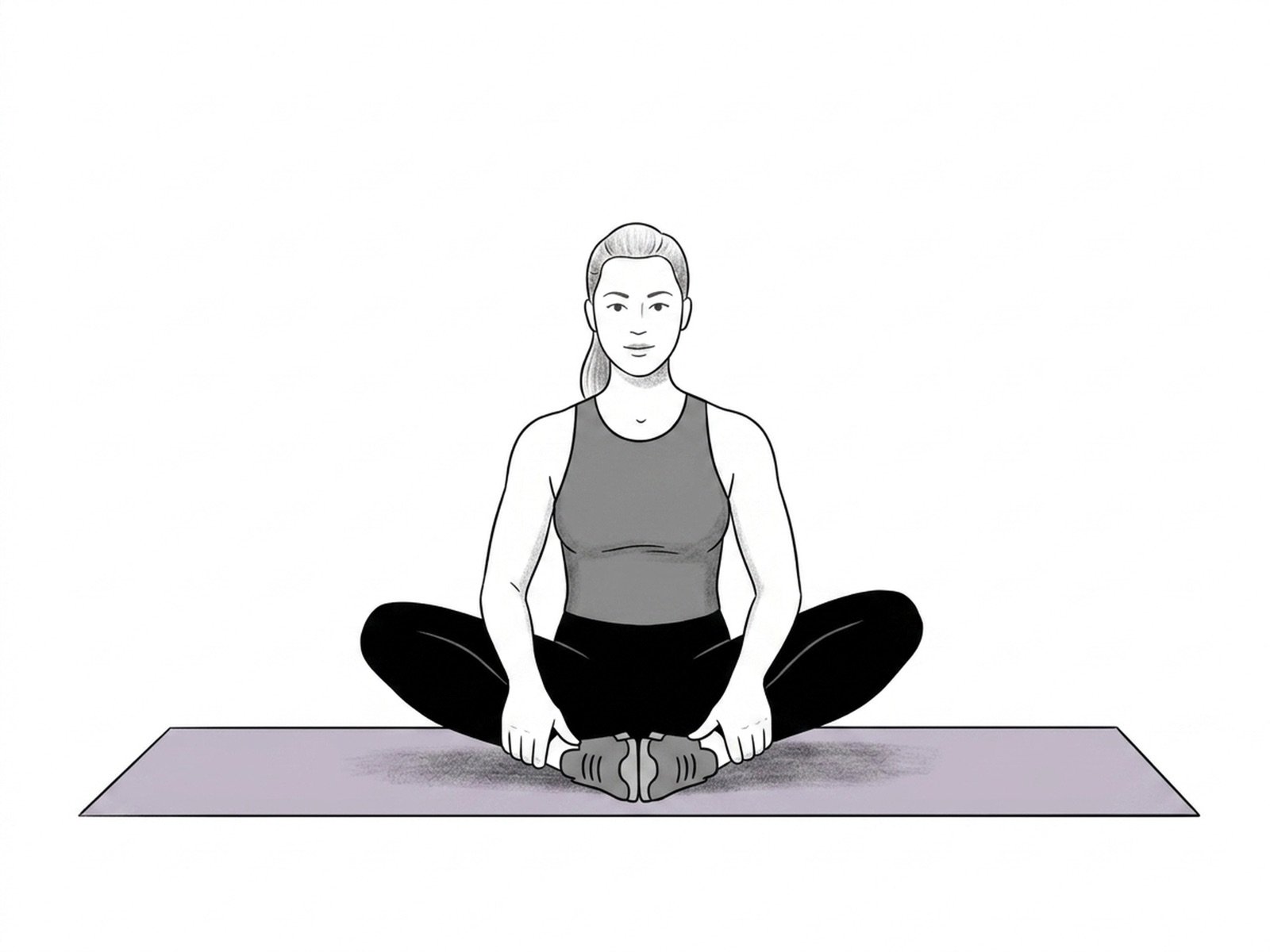
Butterfly Stretch (Bilateral Adductors)
Passive bilateral stretch of the adductors in seated position with the soles of the feet touching. Symmetric adductor range is essential in strain rehab — the injured side tends to shorten, creating asymmetry that predisposes to recurrence.