Therapeutic exercise
Diaphragmatic Breathing
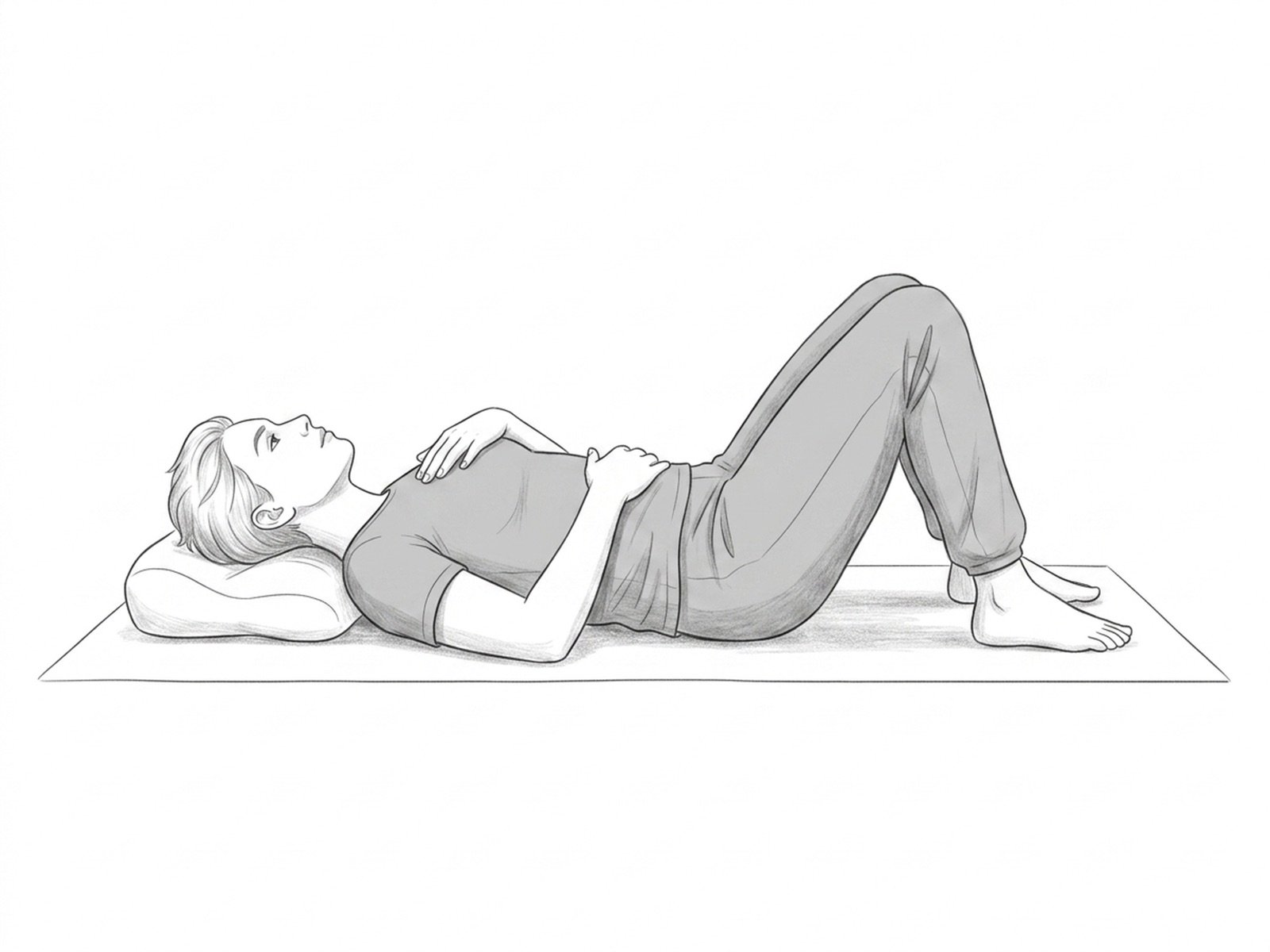
Trains the diaphragm as the primary respiratory mover, reducing the overload on accessory cervical muscles. A key component in the treatment of cervicothoracic myofascial pain syndrome.
How to perform
- Starting position. Lie on your back with your knees bent. Place one hand on your chest and the other on your abdomen.
- Step 2. Inhale through the nose for 4 seconds, focusing on raising the abdomen hand without moving the chest hand.
- Step 3. Exhale through the mouth for 6 seconds, letting the abdomen lower.
- Return. Keep the shoulders relaxed throughout the entire exercise.
When not to perform
- Severe restrictive lung disease
- Severe gastroesophageal reflux (adapt the position)
Medical disclaimer. These exercises are presented for informational purposes only. Always consult your physician before starting any exercise program, especially in case of acute pain, recent injury, or underlying clinical condition.
Related Exercises
4-7-8 Breathing with Gentle Movement
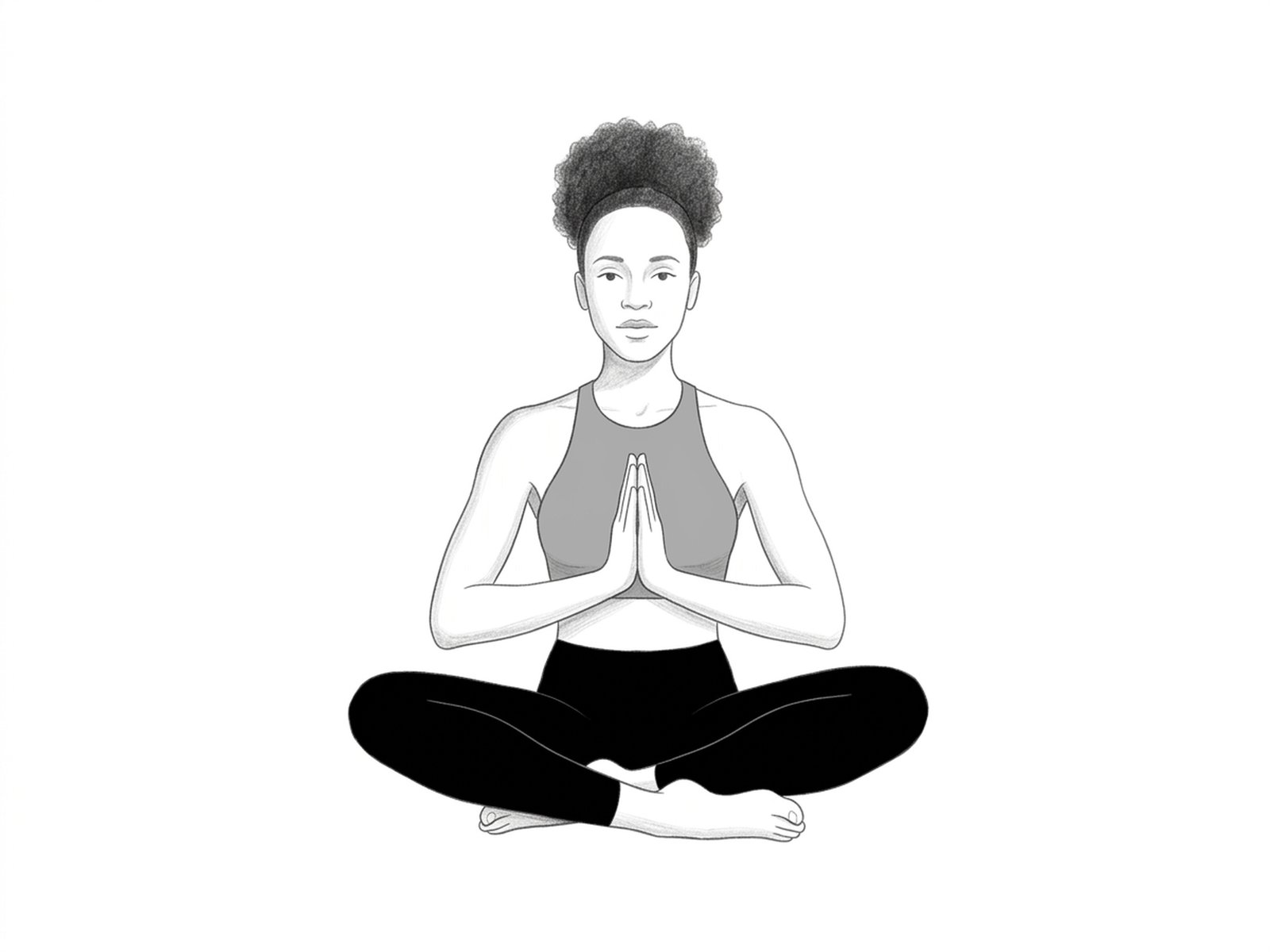
Combines regulatory 4-7-8 breathing with arm elevation and lowering. Reduces the central-nervous-system hyperexcitability typical of fibromyalgia.
Box Breathing
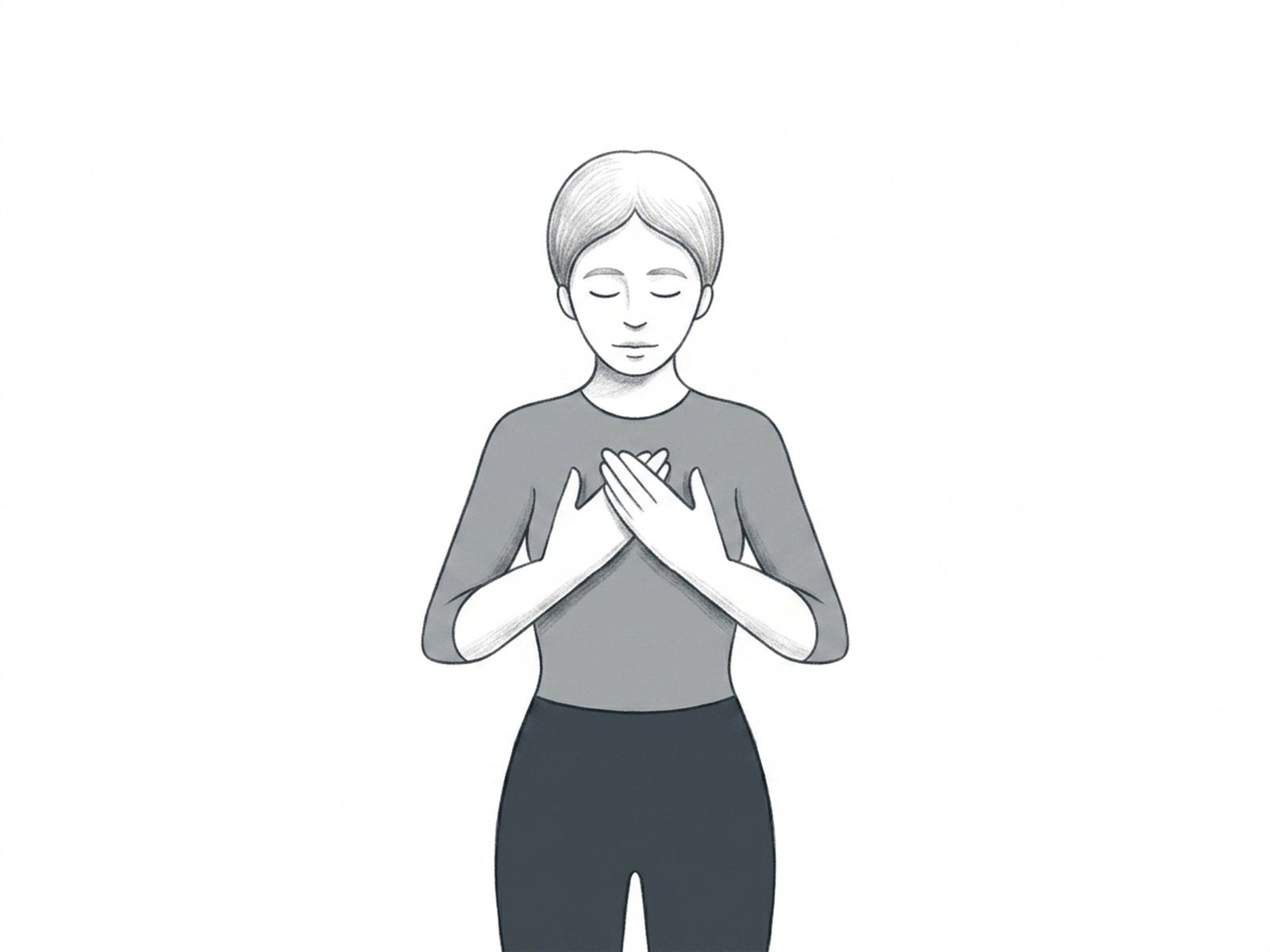
A four-count breathing technique with equal phases. Reduces the sympathetic activation associated with the migraine prodrome and interrupts the cervical-tension cycle.
Progressive Whole-Body Stretch
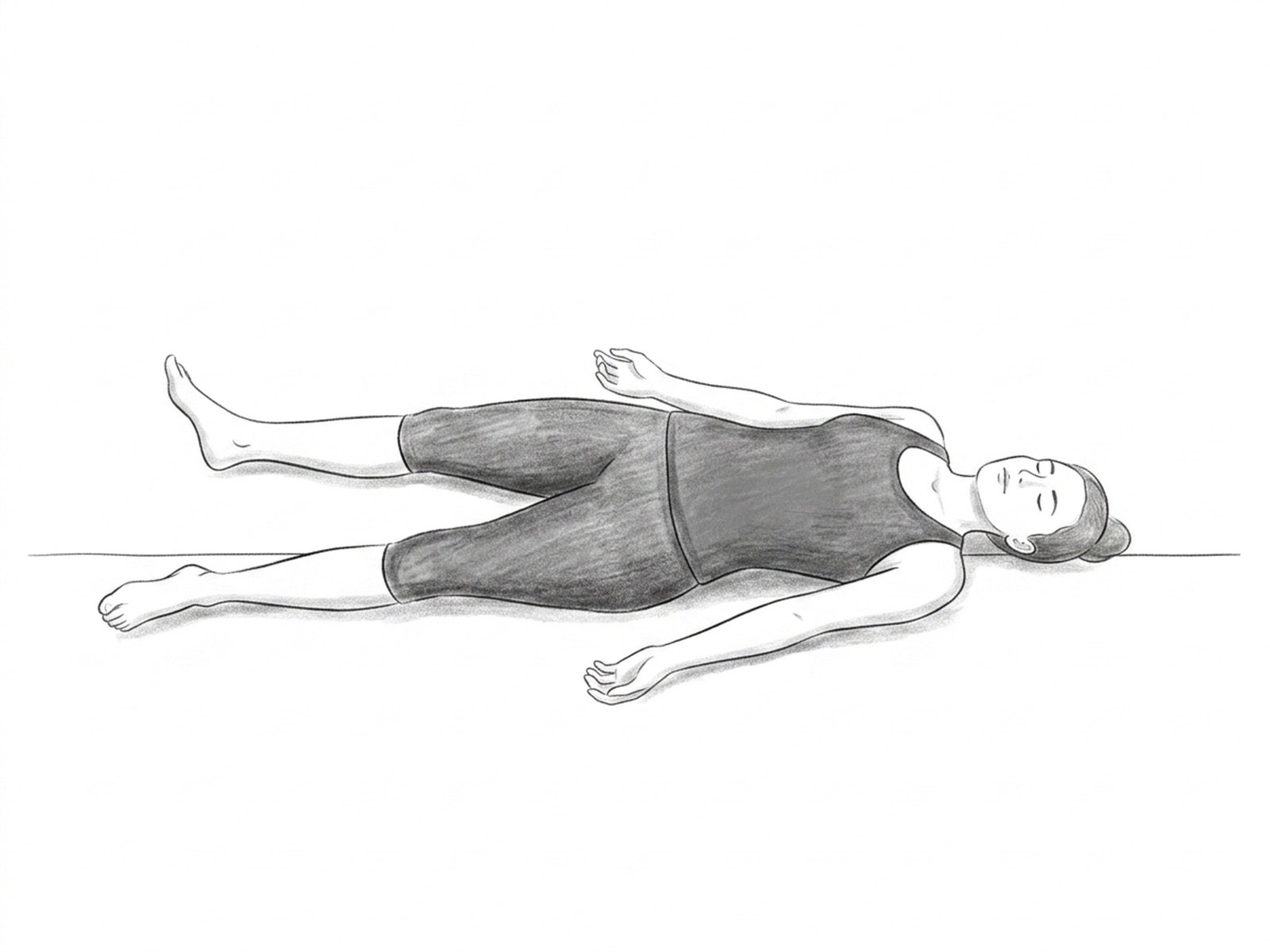
A systematic sequence of gentle stretches covering all major muscle groups. Improves sleep quality and reduces morning stiffness in fibromyalgia.