Therapeutic exercise
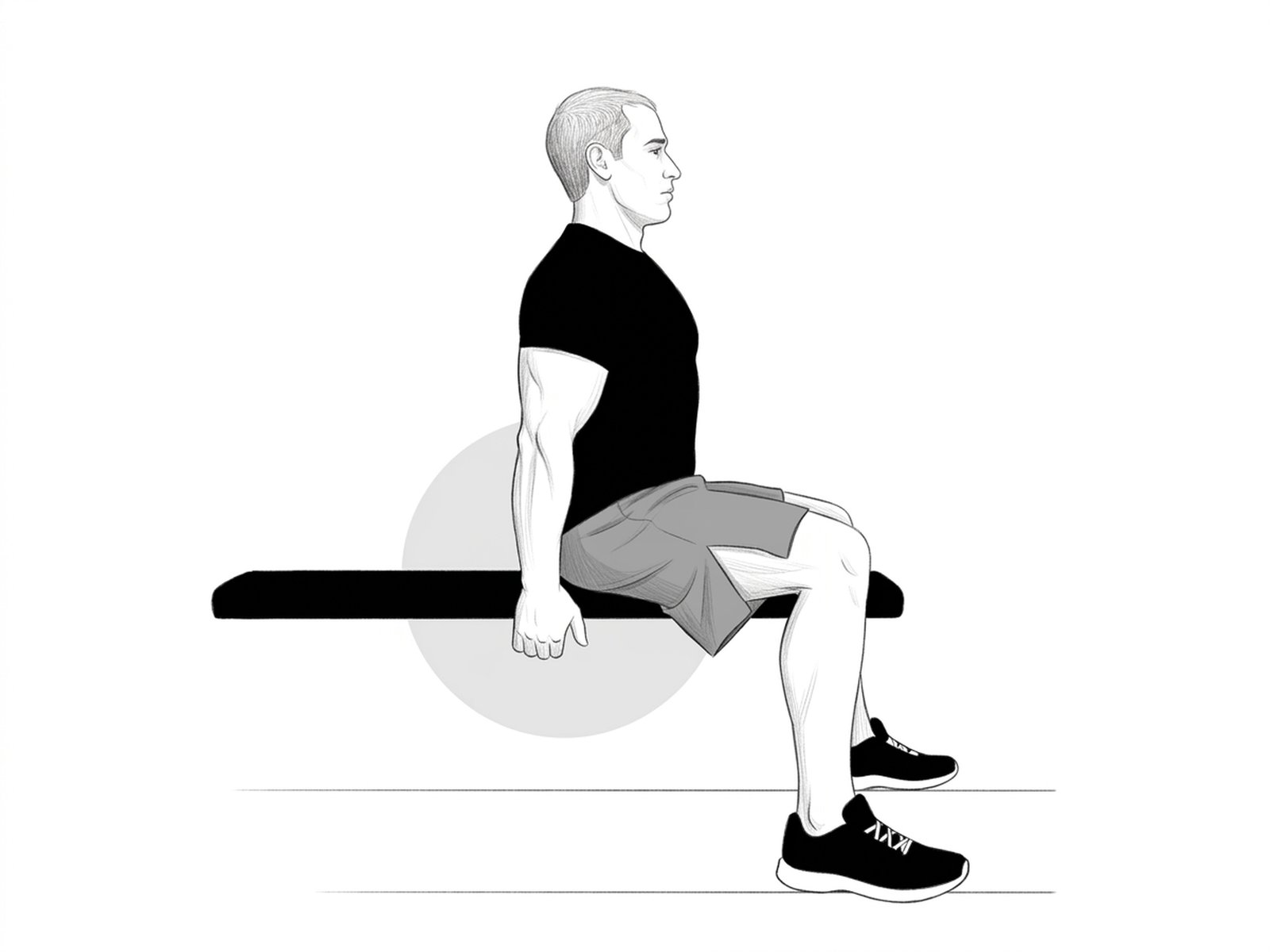
Eccentric Shoulder Shrug
Strengthening of the upper trapezius with heavy load and slow cadence on the descent (eccentric phase). Contrary to common belief, a weak (not shortened) upper trapezius is often the cause of chronic pain in the region — remodeling the tissue with progressive loading is the central strategy in treatment.
How to perform
- Starting position. Stand with the feet shoulder-width apart, holding moderate to heavy dumbbells (5 to 15 kg) in each hand by the sides of the body.
- Step 2. Raise the shoulders toward the ears over 2 seconds, actively contracting the upper trapezius — avoid flexing the elbows.
- Step 3. Hold maximum elevation for 2 seconds, feeling the trapezius contraction.
- Step 4. Lower the shoulders slowly over 4 to 5 seconds, resisting the descent with the upper trapezius itself (eccentric phase).
- Return. Keep the neck aligned with the spine throughout the movement — do not allow head protrusion or cervical extension.
When not to perform
- Acute cervical pain with radiation
- Symptomatic cervical disc herniation
- Acute rotator cuff injury
- Uncontrolled arterial hypertension
- Recent post-operative cervical spine or shoulder surgery
- Cervical radiculopathy with motor deficit
Medical disclaimer. These exercises are presented for informational purposes only. Always consult your physician before starting any exercise program, especially in case of acute pain, recent injury, or underlying clinical condition.
Related Exercises
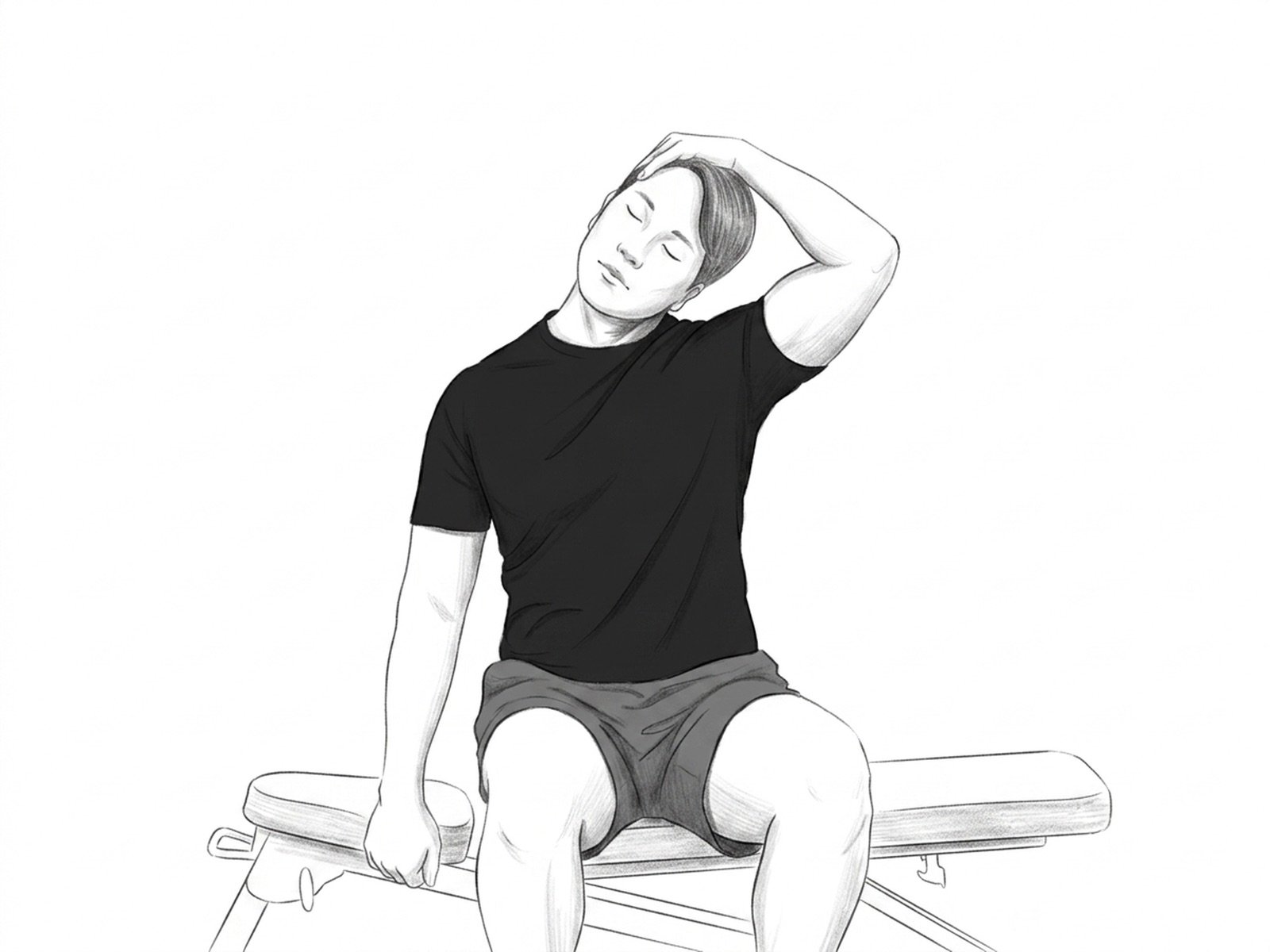
Active Pin-and-Stretch of the Upper Trapezius
Combined technique of ischemic compression over an active trigger point in the upper trapezius with active neck movement. Sustained pressure deactivates the trigger point while active movement amplifies the release — one of the most effective techniques for self-treatment of cervical myofascial pain.
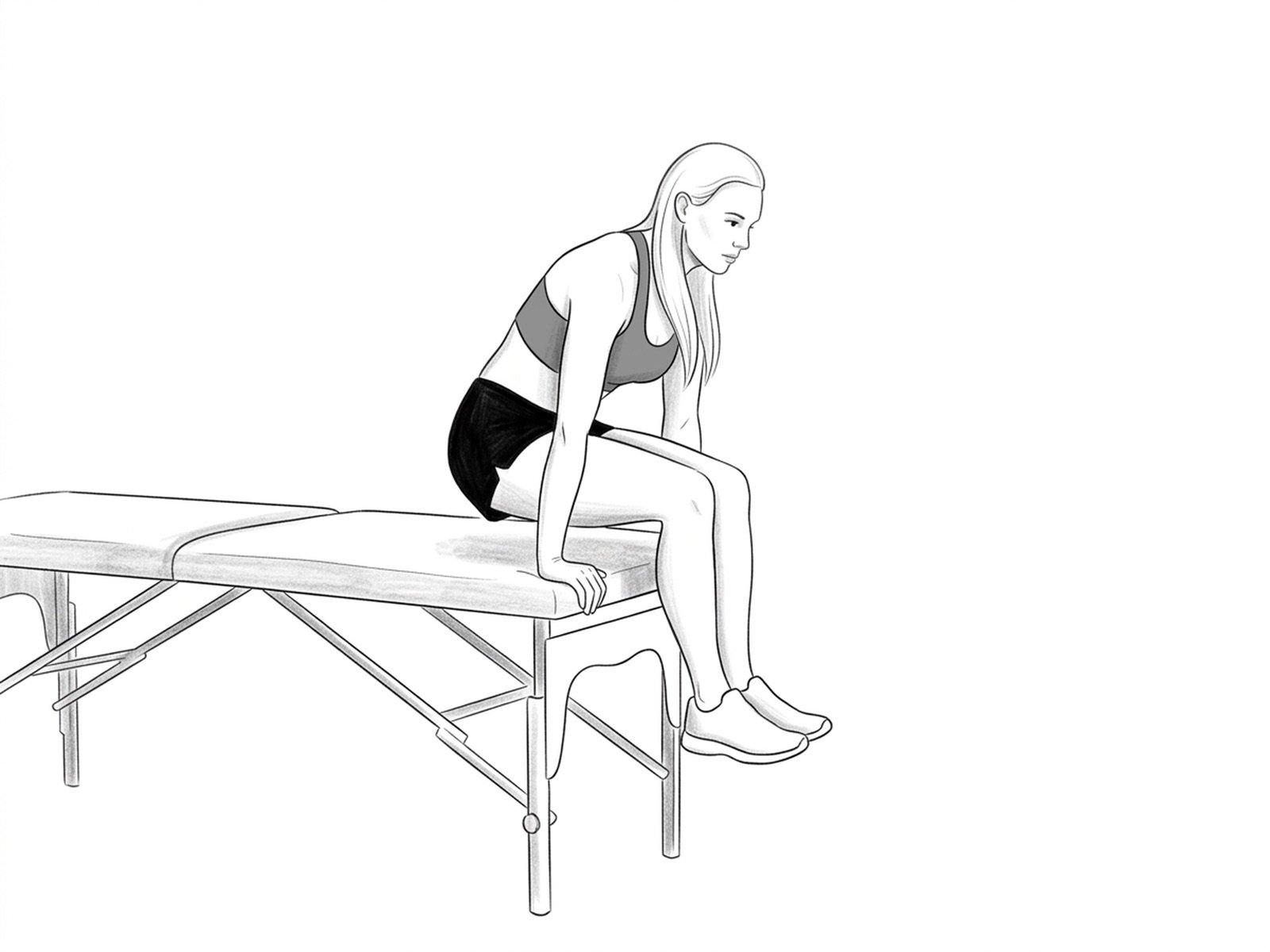
Seated Scapular Depression Press-Up
Isolated activation of the latissimus dorsi and lower trapezius fibers to promote active scapular depression in seated position. Reflexively inhibits the levator scapulae and upper trapezius — essential in levator-scapulae syndrome and chronic torticollis.
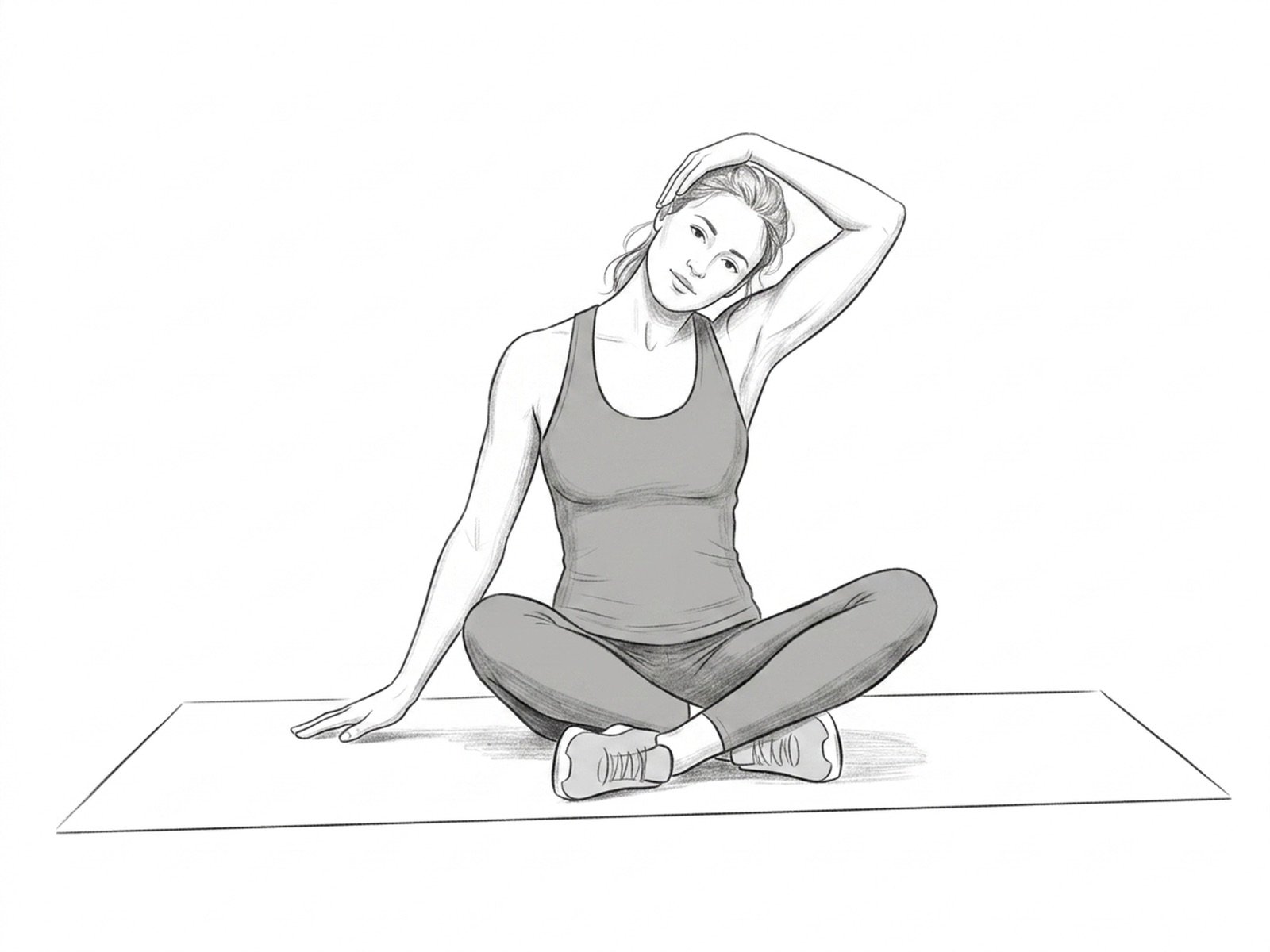
Seated Cervical Release with a Ball
Pinpoint ischemic compression over the upper trapezius and levator scapulae. Releases active trigger points in these muscles, commonly implicated in cervicogenic headache.