Therapeutic exercise
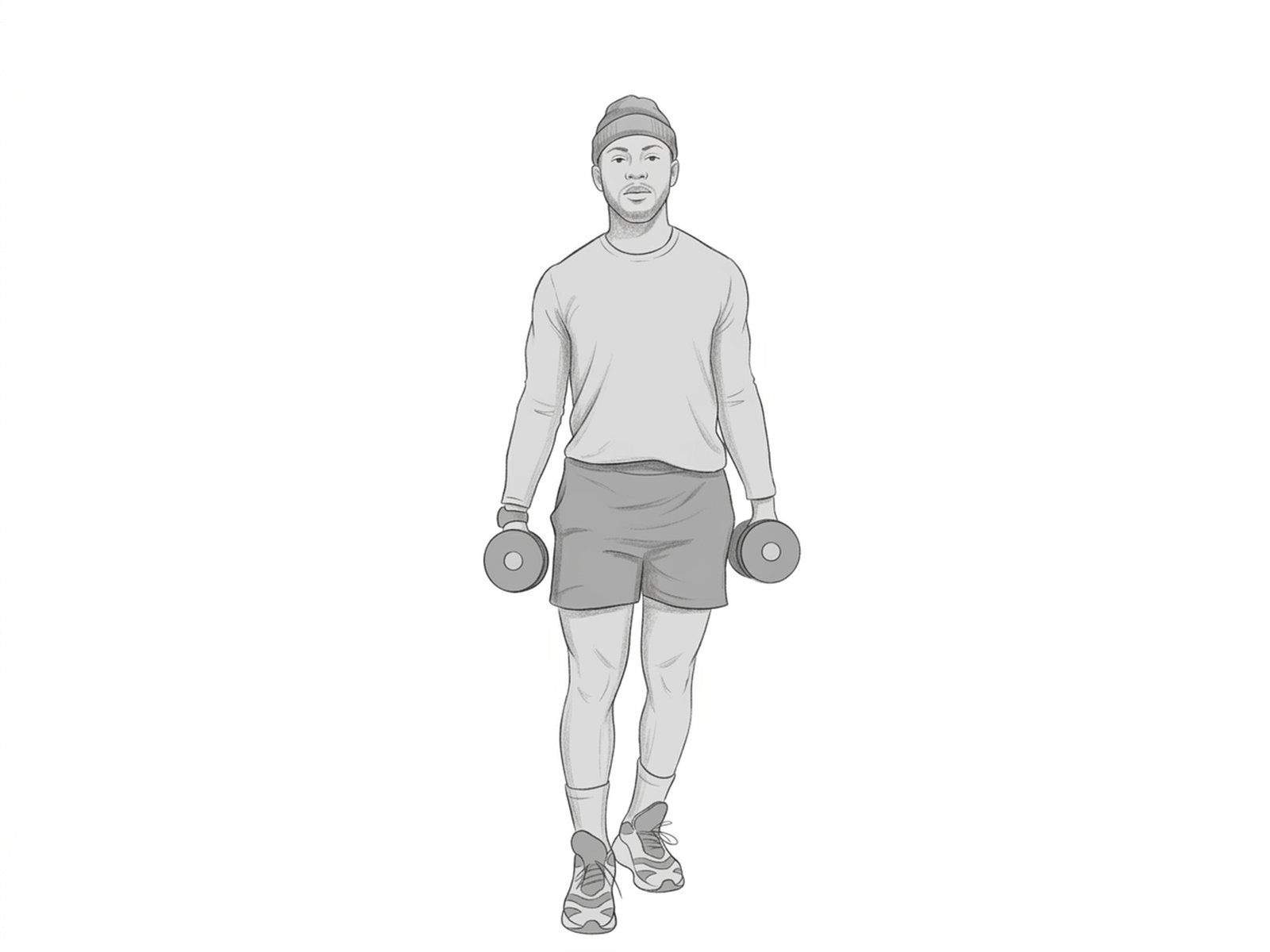
Farmer's Carry
Walking while carrying significant weight in each hand, maintaining upright posture. An integrated functional exercise that strengthens the entire shoulder girdle, core, and lower limbs simultaneously — transfers directly to daily-life activities such as carrying grocery bags.
How to perform
- Starting position. Hold heavy dumbbells or kettlebells (moderate to heavy, 10 to 25 kg in each hand) by the sides of the body, with upright posture.
- Step 2. Keep the core engaged, the shoulders depressed (away from the ears), and the chest open.
- Step 3. Walk in a straight line for 20 to 30 meters at a normal pace, maintaining impeccable posture throughout the route.
- Step 4. Turn around and walk back. One complete cycle is out and back.
- Return. If posture begins to break down (shoulders rising, trunk leaning, irregular steps), stop immediately — quality matters more than distance.
When not to perform
- Acute symptomatic lumbar disc herniation
- Acute shoulder or rotator-cuff injury
- Uncontrolled arterial hypertension
- Decompensated heart failure
- Severe osteoporosis with vertebral-fracture risk
- Grip compromised by epicondylitis or carpal tunnel syndrome
Medical disclaimer. These exercises are presented for informational purposes only. Always consult your physician before starting any exercise program, especially in case of acute pain, recent injury, or underlying clinical condition.
Related Exercises
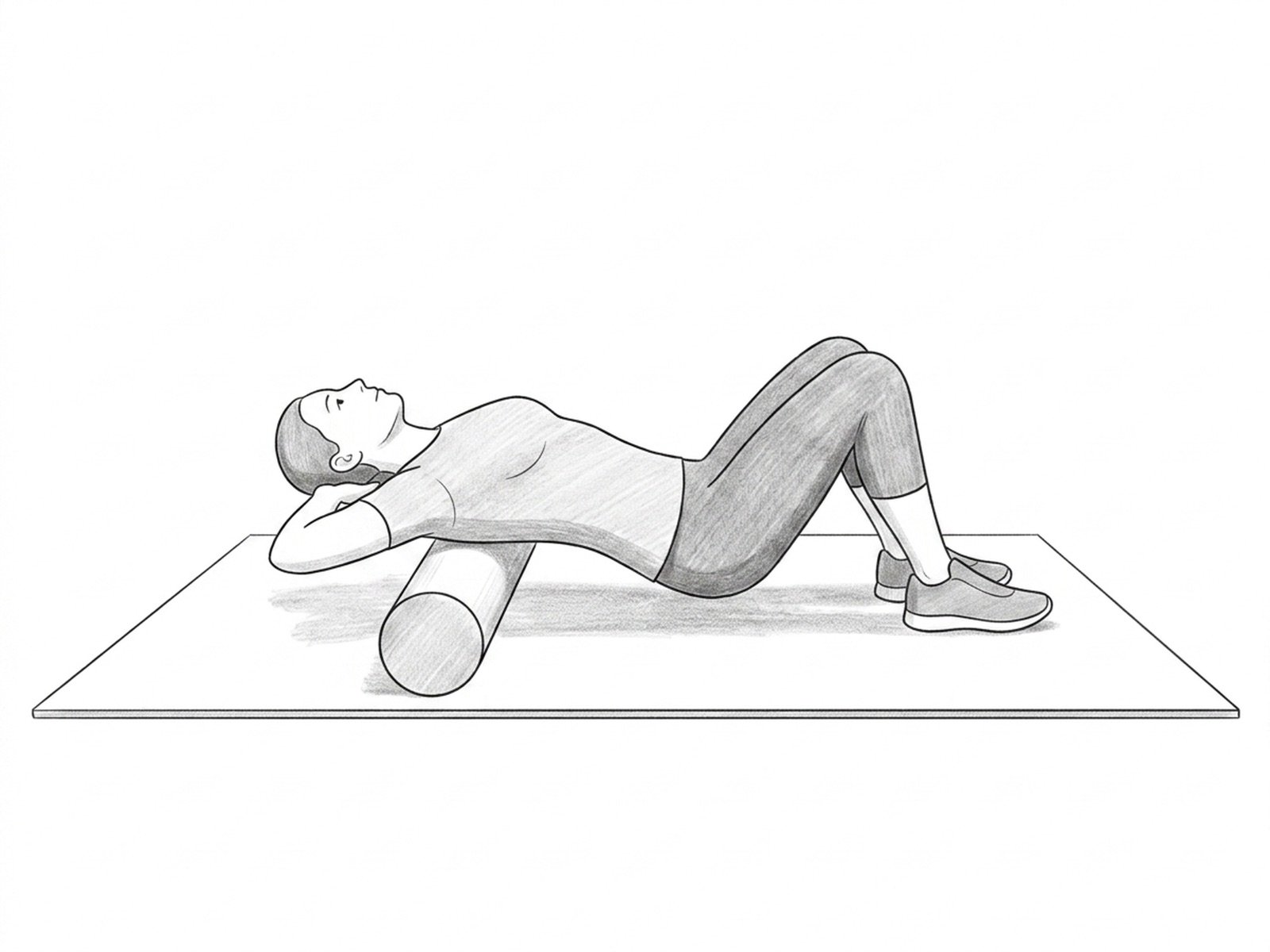
Upper-Back Myofascial Release
Self-myofascial release over the trapezius and thoracic erectors. Reduces tension of the characteristic trigger points of myofascial pain syndrome.
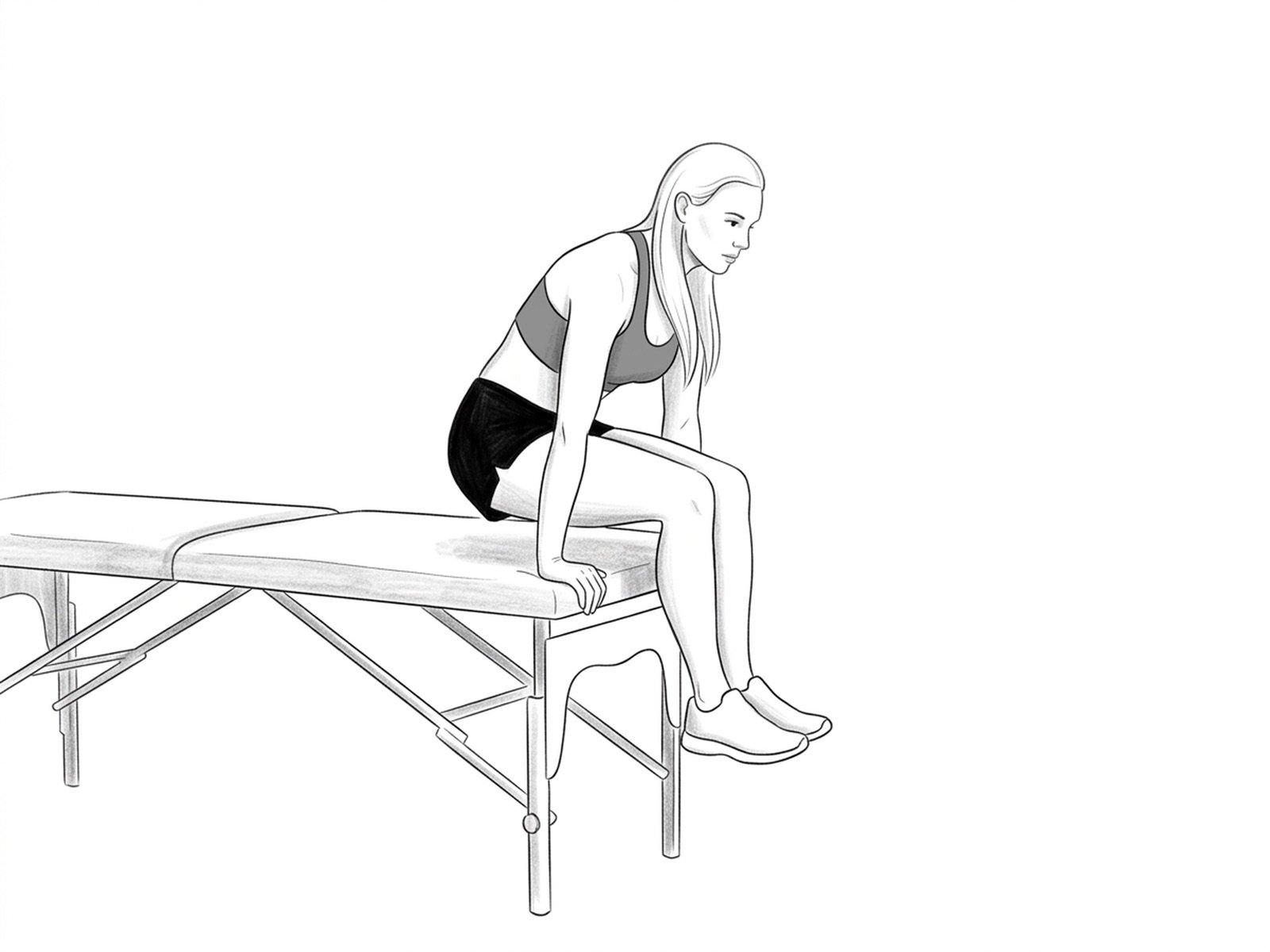
Seated Scapular Depression Press-Up
Isolated activation of the latissimus dorsi and lower trapezius fibers to promote active scapular depression in seated position. Reflexively inhibits the levator scapulae and upper trapezius — essential in levator-scapulae syndrome and chronic torticollis.
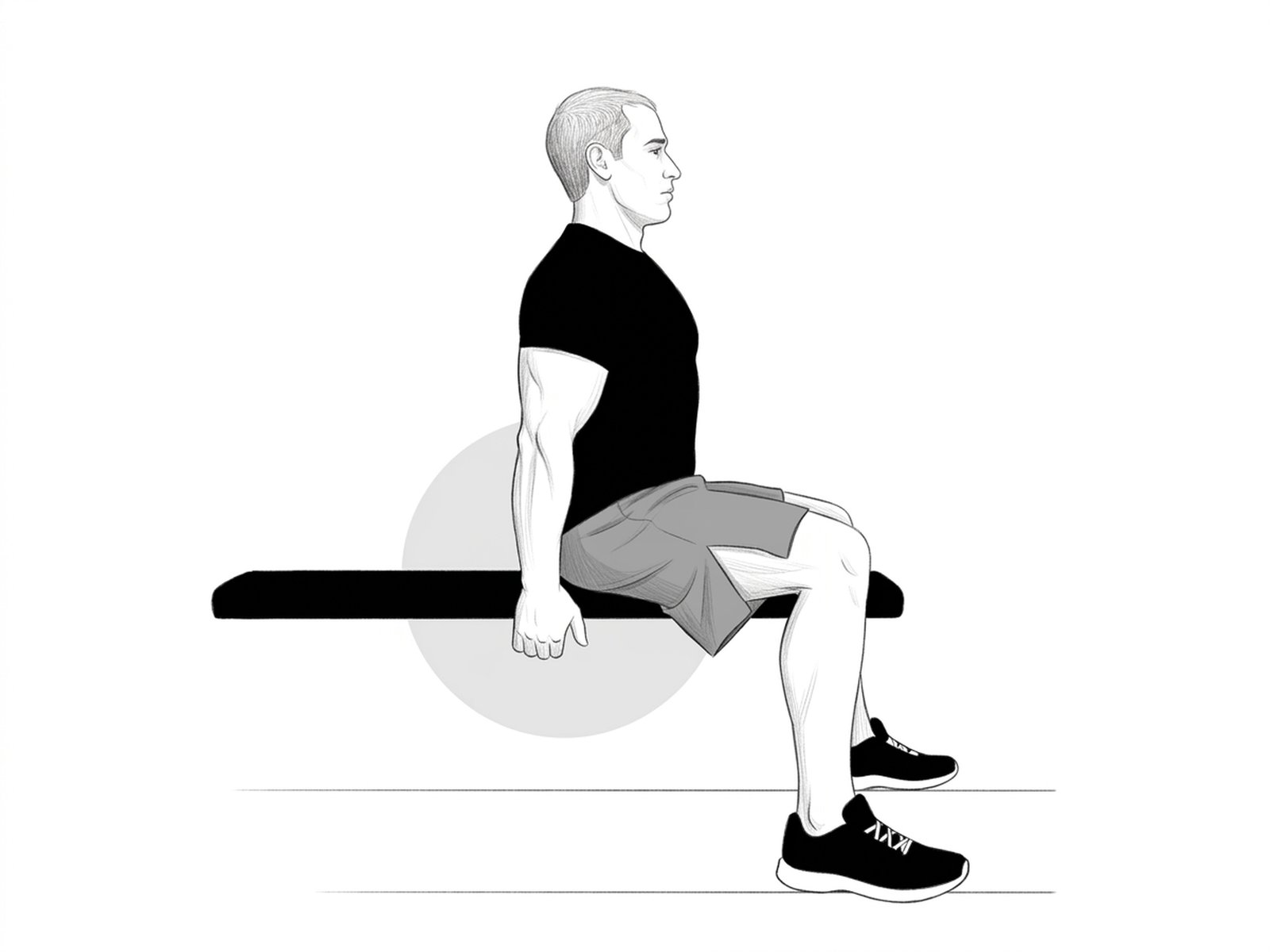
Eccentric Shoulder Shrug
Strengthening of the upper trapezius with heavy load and slow cadence on the descent (eccentric phase). Contrary to common belief, a weak (not shortened) upper trapezius is often the cause of chronic pain in the region — remodeling the tissue with progressive loading is the central strategy in treatment.