Mandibular resting position training
Practise noticing daytime tooth contact and letting the jaw rest comfortably with the teeth slightly apart. This reduces unnecessary effort in the jaw-closing muscles.
Muscles worked
Illustration demonstrating the position of the Mandibular resting position training exercise.
Biomechanical Execution Sequence
04 phases- Starting position
Keep your lips closed gently without pressing them firmly together.
- Phase 2
Rest the tip of your tongue lightly against the roof of your mouth, just behind your upper front teeth.
- Phase 3
Allow your upper and lower teeth to separate slightly so they do not touch.
- Return
Breathe comfortably and rhythmically through your nose while maintaining this relaxed jaw posture.
Prescribed in Clinical Guides
Medical disclaimer. These exercises are presented for informational purposes only. Always consult your physician before starting any exercise program, especially in case of acute pain, recent injury, or underlying clinical condition.
Related Exercises
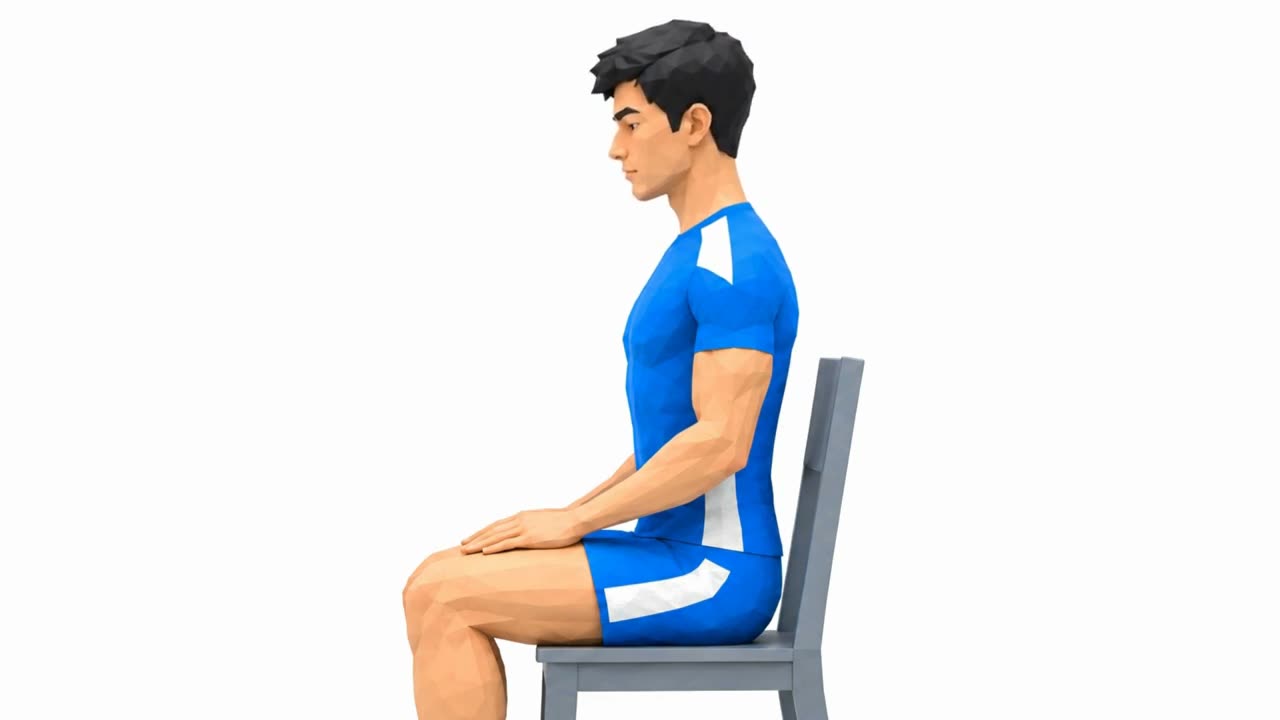
Chin-to-chest stretch
You sit tall and let your chin drop a small way toward your chest, with your upper back straight and your hands on your thighs, then lift your head back up. You may feel a mild stretch at the back of your neck. No trial of this stretch was found, for neck pain or for headache.
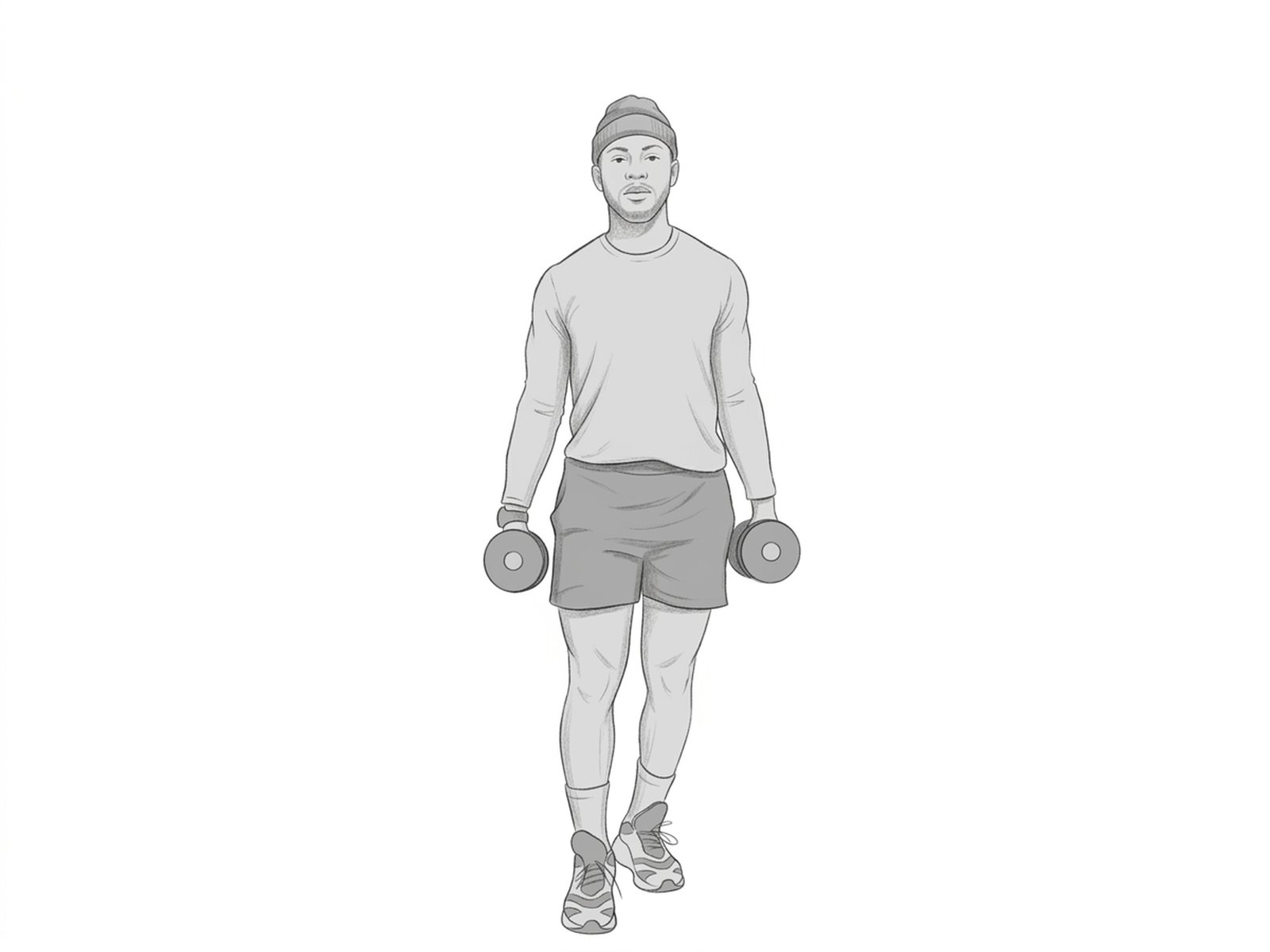
Farmer's Carry
Walking while carrying significant weight in each hand, maintaining upright posture. An integrated functional exercise that strengthens the entire shoulder girdle, core, and lower limbs simultaneously — transfers directly to daily-life activities such as carrying grocery bags.
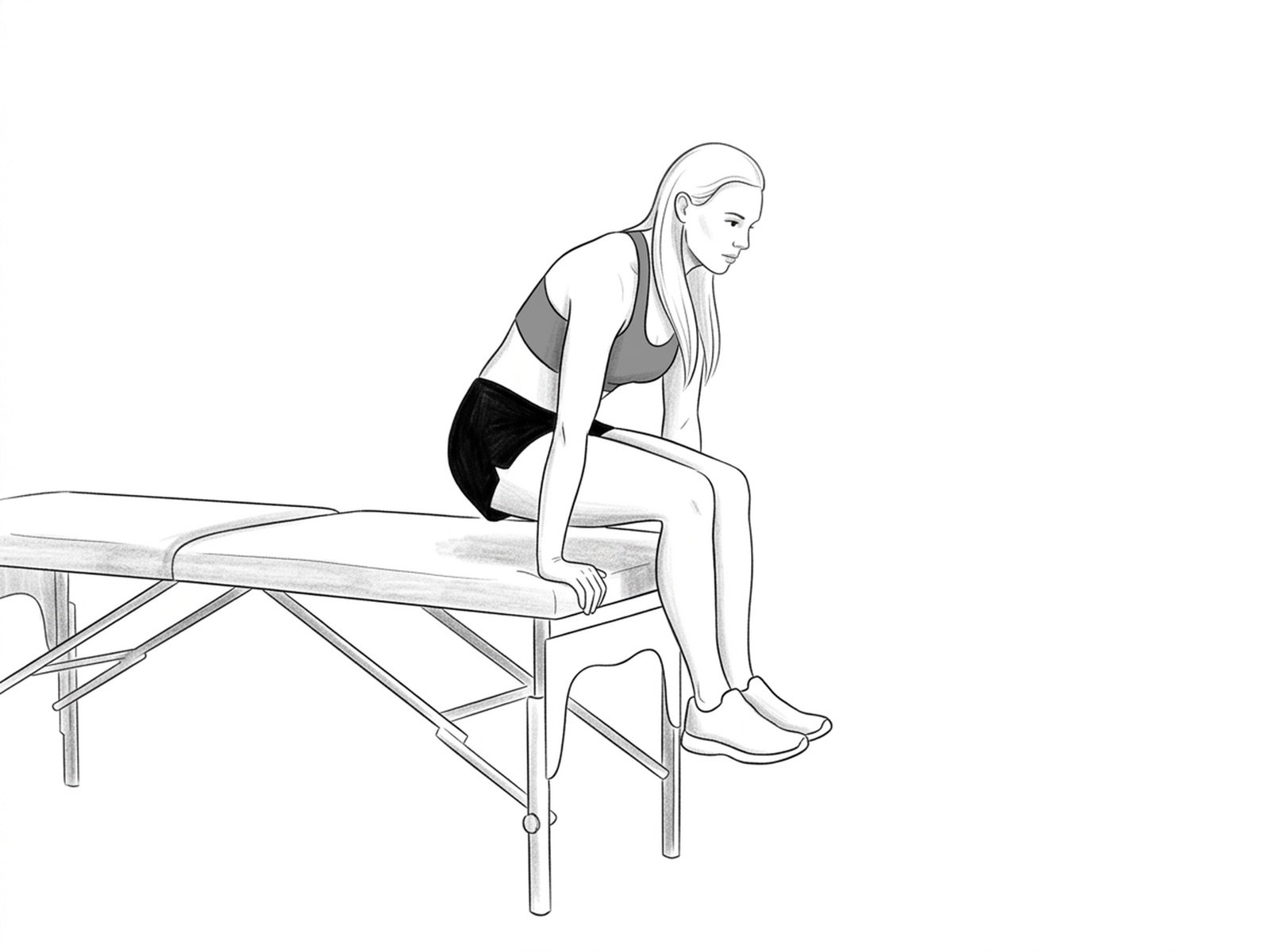
Seated Scapular Depression Press-Up
Isolated activation of the latissimus dorsi and lower trapezius fibers to promote active scapular depression in seated position. Reflexively inhibits the levator scapulae and upper trapezius — essential in levator-scapulae syndrome and chronic torticollis.