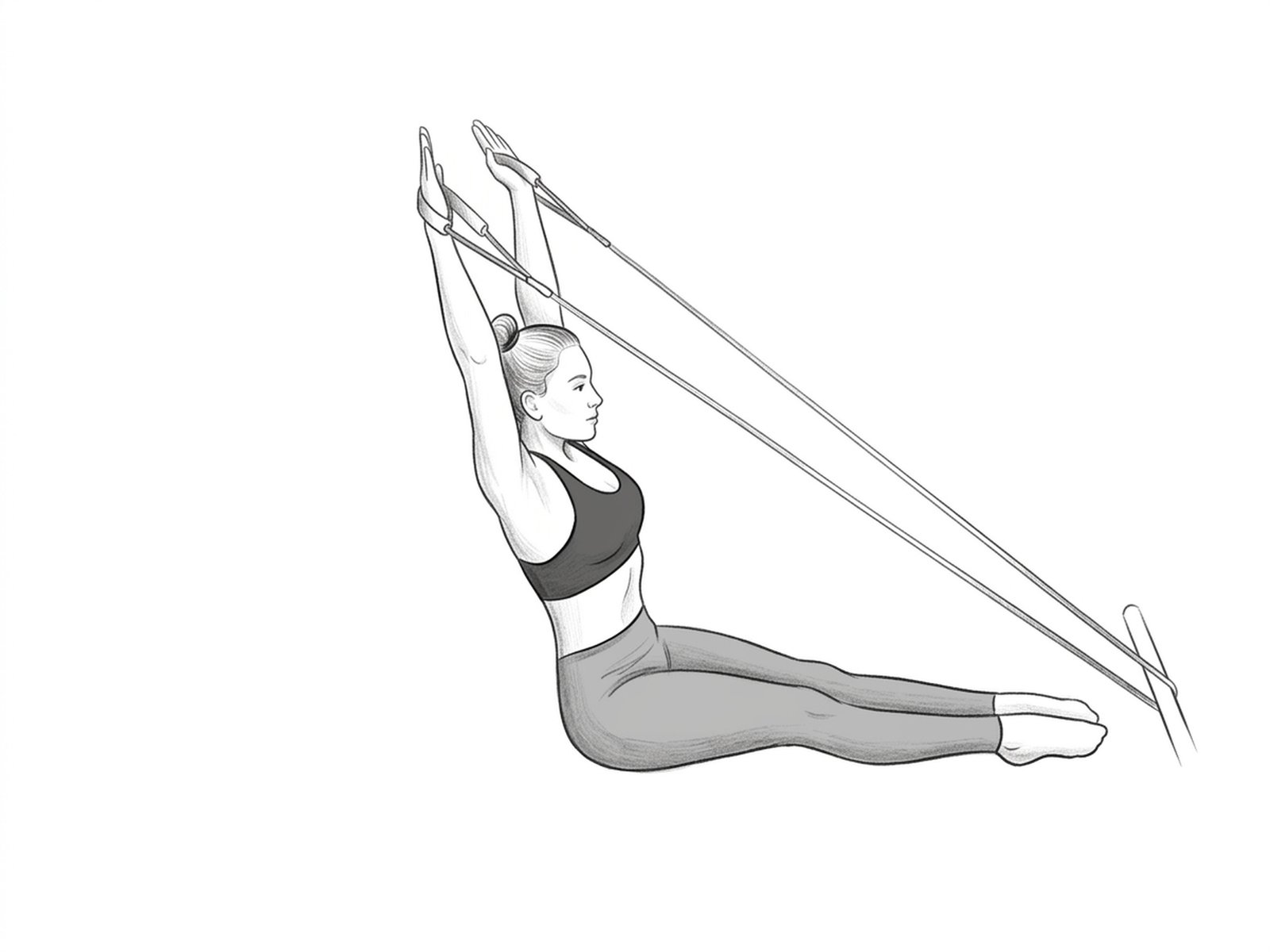
Therapeutic exercise
Supine Thoracic Rotation with a Strap
Strap-assisted rotational mobilization of the thoracic spine in supine. The strap stabilizes the pelvis, isolating rotation to the upper thoracic spine — useful in patients with costochondritis and somatic rib dysfunction who need mobilization without overload from active postures.
How to perform
- Starting position. Lie face-up with knees bent and feet on the floor.
- Step 2. Pass a strap (fabric band or pillowcase) over the pelvis and anchor the ends to the sides of the mattress, or have someone hold them.
- Step 3. Cross the arms over the chest.
- Step 4. With the pelvis stabilized by the strap, slowly rotate the upper trunk to one side, letting the top shoulder roll toward the floor.
- Return. Hold maximum rotation for 5 seconds, breathing deeply, and return to center. Alternate sides in a controlled manner.
When not to perform
- Symptomatic thoracic disc herniation
- Recent vertebral fracture
- Acute intense costochondritis (wait for pain to subside)
- Recent thoracic surgery
- Third-trimester pregnancy (adapt the position)
- Symptomatic spondylolisthesis
Medical disclaimer. These exercises are presented for informational purposes only. Always consult your physician before starting any exercise program, especially in case of acute pain, recent injury, or underlying clinical condition.
Related Exercises
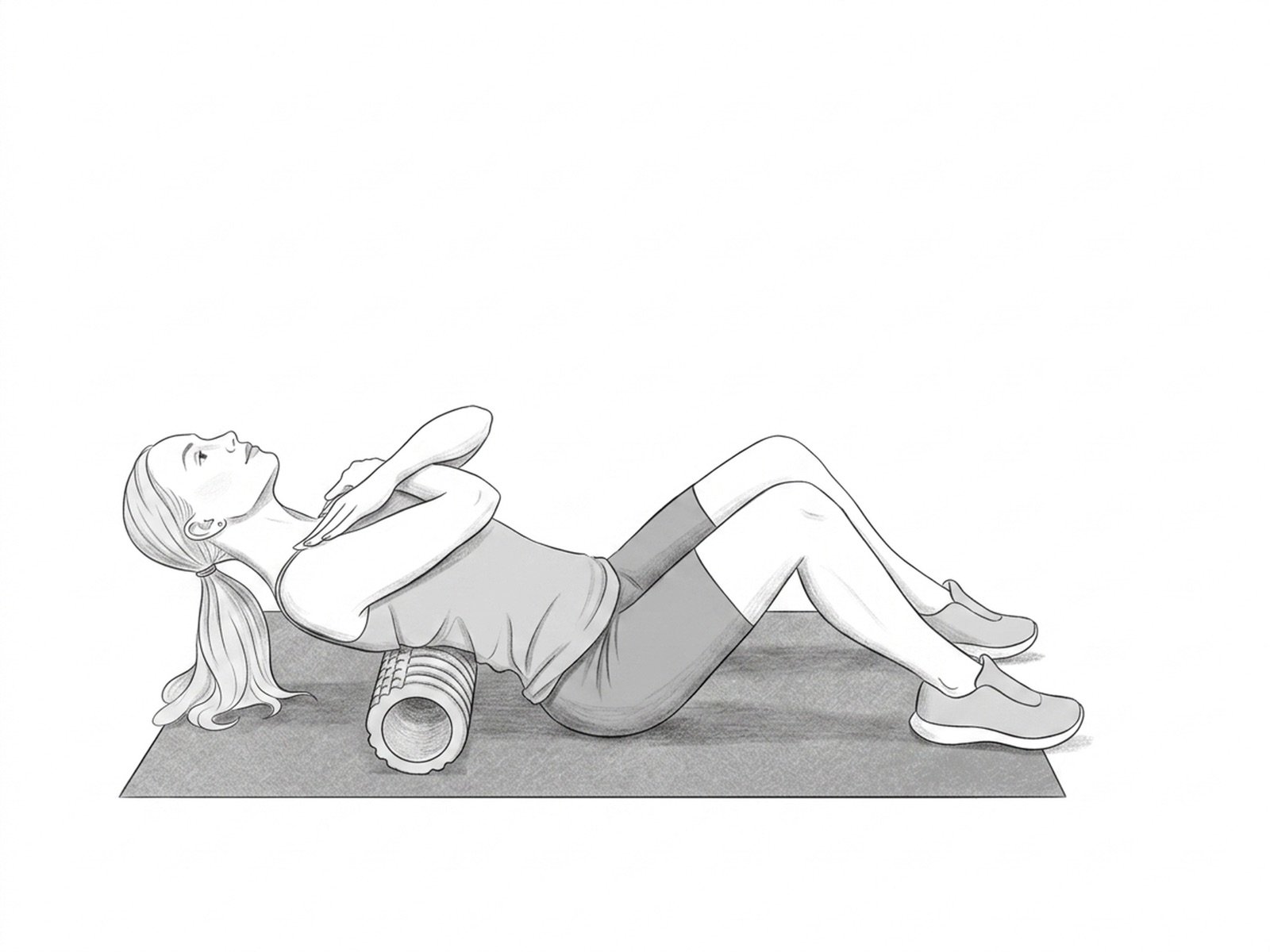
Thoracic Mobilization on a Foam Roller
Mobilizes the thoracic spine into extension using a foam roller. Improves mobility of the thoracic kyphosis and reduces secondary cervical compensations driven by stiffness in this region — common in people who spend long hours at a computer.
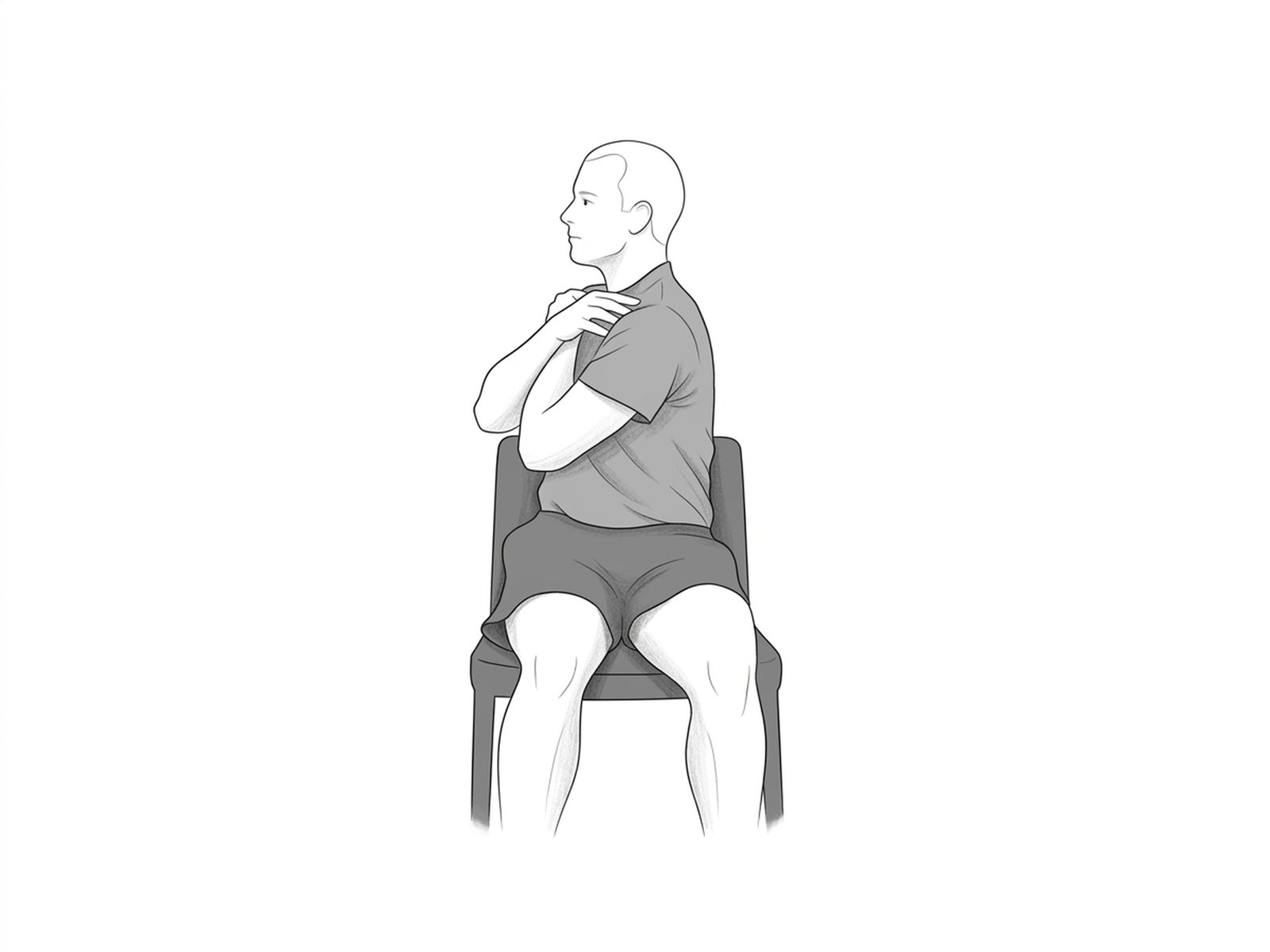
Seated Thoracic Rotation
Rotational mobilization of the thoracic spine in a seated position, accessible in the work environment. Complements quadruped rotation (thread-the-needle) as a postural variation for patients with hyperkyphosis and thoracic stiffness induced by a sedentary lifestyle.
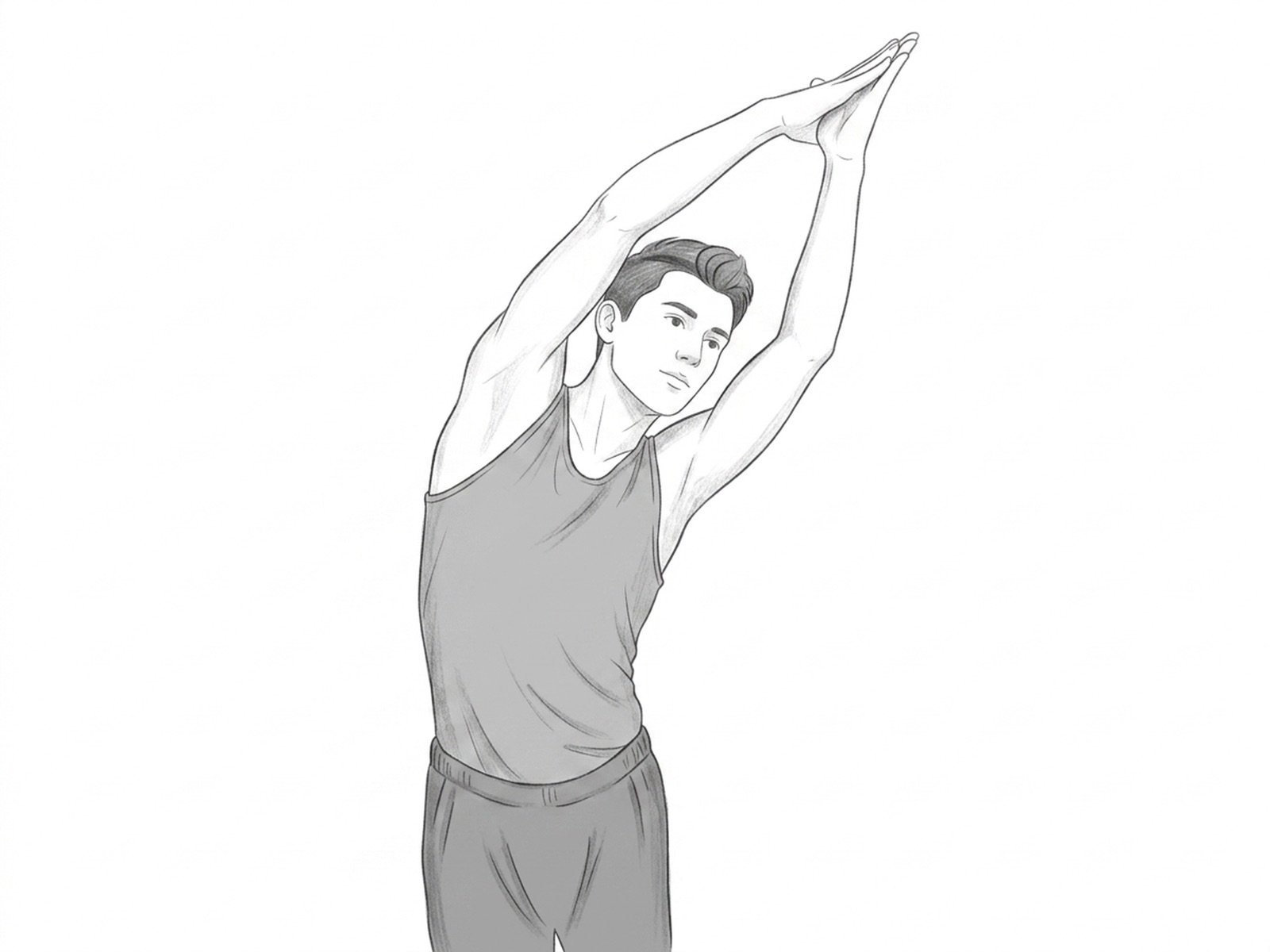
Lateral Intercostal Stretch
Stretches the intercostal muscles through a combination of lateral trunk flexion and sustained deep inhalation. Indicated for costochondritis, myofascial chest pain, and patients with chronic rib stiffness — opens the contracted hemithorax.