A Review of Acupuncture for Menopausal Problems
Borud et al. · Maturitas · 2010
Evidence Level
MODERATEOBJECTIVE
To review the scientific evidence for acupuncture in the treatment of hot flashes in natural and induced menopause
WHO
Postmenopausal women with hot flashes, including patients with cancer
DURATION
8 to 36 sessions, follow-up up to 12 months
POINTS
Individualized points by Traditional Chinese Medicine diagnosis
🔬 Study Design
Acupuncture + self-care
n=134
10 sessions of traditional acupuncture
Self-care only
n=133
Self-care guidance
📊 Results in numbers
Reduction in hot flashes vs. control
Statistical significance
Reduction in intensity
Women with > 50% reduction
Percentage highlights
📊 Outcome Comparison
Reduction in hot flashes (episodes/day)
This review shows that acupuncture may be an effective option for reducing menopausal hot flashes. Treatment demonstrated a significant reduction in both the frequency and intensity of episodes, with improvement in quality of life, and is especially useful for women who cannot use hormones.
Article summary
Plain-language narrative summary
This comprehensive review examines the scientific evidence on the use of acupuncture to treat hot flashes in women in menopause, both natural and induced by medical treatments. The authors analyzed controlled studies that investigated the efficacy of acupuncture compared with usual care and placebo controls. The main study, known as ACUFLASH, was a multicenter randomized clinical trial that included 267 postmenopausal women experiencing seven or more hot flashes per day. Participants were divided into two groups: one received 10 sessions of individualized traditional Chinese acupuncture plus self-care guidance, while the control group received only self-care guidance.
The results showed that acupuncture was superior to self-care alone, with a reduction of 5.8 hot flash episodes per day in the acupuncture group versus 3.7 in the control group, a statistically significant difference of 2.1 episodes (P < 0.001). The intensity of symptoms also decreased significantly more in the acupuncture group (3.2 points) compared with the control group (1.8 points). In addition, there were significant improvements in health-related quality of life, particularly in the vasomotor, sleep, and somatic symptom domains. The review also examined five smaller studies that compared real acupuncture with superficial needling controls at non-specific points.
Interestingly, these studies failed to demonstrate significant differences between real acupuncture and control, suggesting that the effect may not depend on the specific location of the points or the depth of insertion. For induced menopause, particularly in cancer patients who cannot use hormonal therapy, the evidence is also encouraging. Studies show that 79% of patients achieved a 50% reduction in the frequency of hot flashes, with effects maintained for up to 12 months after treatment. The proposed mechanisms involve the modern conceptualization of acupuncture as neurological stimulation, affecting neurotransmitters such as serotonin and beta-endorphins in the central nervous system, thus influencing the thermoregulatory center in the hypothalamus.
The theory suggests that the hormonal changes of menopause narrow the thermoneutral zone, causing small increases in body temperature to trigger hot flashes. Acupuncture may stabilize this system through modulation of endogenous endorphins and serotonin. The review concludes that acupuncture offers a clinically useful effect for hot flashes that goes beyond natural remission, being particularly valuable for women seeking alternatives to hormonal therapy or those with contraindications to its use.
Strengths
- 1Main study with robust sample (n = 267)
- 2Long-term follow-up
- 3Significant improvement in quality of life
- 4Consistent evidence in induced menopause
Limitations
- 1Difficulty in creating a truly inert placebo control
- 2Smaller studies did not show point specificity
- 3Variability in treatment protocols
- 4Need for more long-term studies
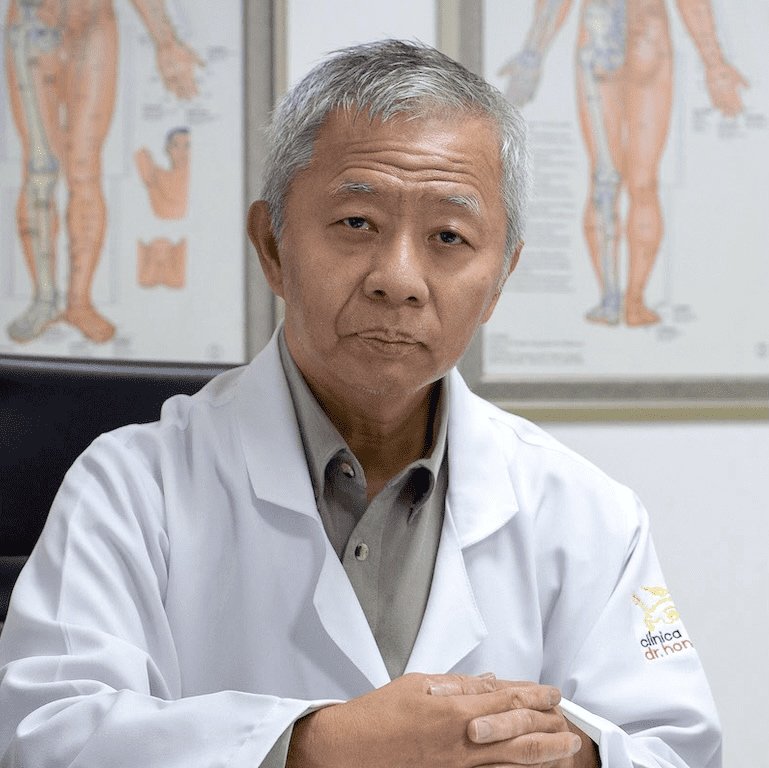
Expert Commentary
Prof. Dr. Hong Jin Pai
PhD in Sciences, University of São Paulo
▸ Clinical Relevance
Symptomatic menopause represents one of the most frequent scenarios in which physicians encounter women refractory to or contraindicated for hormone therapy — breast cancer survivors, patients with prior thromboembolism, hepatopathies, and those who simply refuse the hormonal approach. For this group, the available non-hormonal arsenal is limited and often poorly tolerated. The work by Borud and colleagues, centered on the ACUFLASH trial with 267 postmenopausal women, provides a basis for formally integrating acupuncture into the treatment flow for these patients. The reduction of 2.1 daily hot flash episodes compared with the control group, accompanied by improvement in vasomotor, sleep, and somatic symptom domains, translates into clinically perceptible gains. The finding that 79% of participants achieved a reduction greater than 50% in episode frequency is especially useful for counseling — it allows the physician to present real probabilities of response, making shared decision-making more concrete.
▸ Notable Findings
Two findings deserve particular attention. The first is the dissociation between the ACUFLASH results, which demonstrated superiority of acupuncture over self-care alone, and the smaller studies that compared real acupuncture with superficial needling at non-specific points, finding no significant difference between groups. This apparent contradiction does not invalidate the clinical benefit; on the contrary, it suggests that the therapeutic mechanism may operate in a distributed fashion — through neuroendocrine modulation via beta-endorphins and hypothalamic serotonin — and not depend exclusively on classical point precision. The second notable finding is the durability of effects in induced menopause: maintenance of benefits for up to 12 months after the end of treatment, a relevant data point in oncology, where prolonged control of hot flashes can determine adherence to adjuvant hormone therapy and quality of life.
▸ From My Experience
In my practice at the Pain Center of HC-FMUSP, the profile that responds best to acupuncture treatment for hot flashes is the woman between 50 and 60 years old, with moderate to severe vasomotor symptoms, anxious about hormonal exposure, and who has already tried behavioral measures without consistent success. I usually observe a perceptible response between the third and fifth sessions — the patient reports less fragmented nocturnal sleep before even quantifying the reduction in daytime episodes. On average, I work with an initial cycle of ten sessions, in line with the studied protocol, and a formal reassessment at the end. For maintenance, monthly or bimonthly sessions have shown satisfactory results over the subsequent months. I frequently combine relaxation techniques and sleep hygiene counseling, since the autonomic component of thermoregulation responds well to this combination. The oncology patient profile — unable to use estrogen — is where I feel the greatest clinical impact, and the data from this review are consistent with what I have observed throughout my career.
Full original article
Read the full scientific study
Maturitas · 2010
DOI: 10.1016/j.maturitas.2009.12.010
Access original articleScientific Review

Marcus Yu Bin Pai, MD, PhD
CRM-SP: 158074 | RQE: 65523 · 65524 · 655241
PhD in Health Sciences, University of São Paulo. Board-certified in Pain Medicine, Physical Medicine and Rehabilitation, and Medical Acupuncture. Scientific review and curation of every entry in this library.
Learn more about the author →Medical disclaimer: This content is for educational purposes only and does not replace consultation, diagnosis, or treatment by a qualified professional. Some information may be assisted by artificial intelligence and is subject to inaccuracies. Always consult a physician.
Content reviewed by the medical team at CEIMEC — Integrated Centre for Chinese Medicine Studies, a reference in Medical Acupuncture for over 30 years.
Related articles
Based on this article’s categories