Acupuncture improves the emotion domain and lipid profiles in women with polycystic ovarian syndrome: a secondary analysis of a randomized clinical trial
Chang et al. · Frontiers in Endocrinology · 2023
Evidence Level
MODERATEOBJECTIVE
To evaluate the effects of acupuncture on the emotional domain and lipid metabolism of Chinese women with polycystic ovary syndrome (PCOS)
WHO
926 women with PCOS, divided into an acupuncture group (458) and a sham acupuncture group (468)
DURATION
4 months of intervention with weekly follow-up
POINTS
Not specified in the text; followed the PCOSAct study protocol
🔬 Study Design
Acupuncture
n=458
True acupuncture for 4 months
Sham
n=468
Sham acupuncture for 4 months
📊 Results in numbers
Improvement in SF-36 quality-of-life scores
Increase in total ChiQOL scores
Reduction in LDL-C
Increase in lipoprotein A
Elevation of serum Ca, K, and Cl
📊 Outcome Comparison
SF-36 emotional domain scores
Total ChiQOL scores
This study showed that acupuncture can help women with polycystic ovary syndrome on both the emotional level and in the metabolism of fats. The findings suggest an interesting connection between emotional well-being and metabolic health, offering a promising integrative approach for the treatment of PCOS.
Article summary
Plain-language narrative summary
Polycystic ovary syndrome (PCOS) is a hormonal condition that affects 15% to 20% of women of reproductive age worldwide, making it the most common endocrine disorder in this population. Beyond the widely known reproductive problems, PCOS is frequently associated with metabolic disturbances such as insulin resistance, lipid-profile abnormalities, and obesity, as well as a significant impact on women's quality of life and mental health. Earlier studies have shown that women with PCOS have a higher prevalence of anxiety, depression, and other psychological disorders compared with women without the syndrome. In this context, acupuncture has emerged as a promising complementary therapy, with growing evidence of its efficacy in treating multiple aspects of PCOS, including hormonal regulation, improvement in metabolic profile, and relief of emotional symptoms.
The primary aim of this study was to evaluate the effects of acupuncture on the emotional domain and metabolic parameters of Chinese women with PCOS through a secondary analysis of data collected in a large randomized clinical trial. The methodology involved 926 women diagnosed with PCOS by specific criteria, who were divided into two groups: 458 received true acupuncture and 468 received sham acupuncture. The study was conducted between July 2012 and October 2015 in 27 hospitals in mainland China. To assess quality of life, five validated questionnaires were used: the PCOSQ (specific to PCOS), the SF-36 (general health assessment), the ChiQOL (Chinese quality-of-life instrument), and the Zung anxiety and depression scales.
In addition, blood samples were collected for analysis of metabolic parameters, lipid profile, and serum ions before and after four months of treatment.
The results revealed significant benefits of acupuncture across multiple areas. In the emotional dimension, the group that received acupuncture showed improvement in total SF-36 scores, particularly in the work-related physical function and work-related emotional function domains, as well as increases in total scores and the emotional domain of the ChiQOL questionnaire. As for metabolic and lipid profile, there was a significant reduction in homocysteine, LDL cholesterol, and acne, while lipoprotein A, apolipoprotein A1, and the apolipoprotein A1/apolipoprotein B ratio increased. Interestingly, changes in serum ion levels were also detected, with significant increases in calcium, potassium, and chloride concentrations in the acupuncture group.
An intriguing finding was that the sham acupuncture group also showed some similar improvements, suggesting that even superficial point stimulation can have beneficial physiological effects.
For patients with PCOS and health professionals, these results suggest that acupuncture can be a valuable therapeutic approach as a complement to conventional treatments. The simultaneous improvement in emotional aspects and lipid metabolism is particularly relevant, as it indicates a possible connection between these domains, aligning with the holistic perspective of traditional Chinese medicine that emotional and physical health are interconnected. For patients, this means acupuncture can offer benefits that extend beyond reproductive symptoms, contributing to overall improvement in quality of life and emotional well-being. Clinicians may consider including acupuncture in integrative treatment plans, especially for patients with significant emotional components associated with PCOS or those seeking complementary approaches to conventional pharmacological treatments.
It is important to acknowledge the limitations of this study for an appropriate interpretation of the results. The fact that sham acupuncture also produced some beneficial effects raises questions about the specific mechanisms of acupuncture and the contribution of placebo or non-specific effects. In addition, the inherent subjectivity of the quality-of-life scales used may have influenced the results, even with standardized rater training. The absence of subgroup analyses based on body mass index represents another limitation, since obesity can influence both the emotional and metabolic aspects of PCOS.
Caution is also needed when interpreting the observed correlation between emotional improvement and changes in lipid profile, since the study does not establish direct causal relationships, only associations. Future studies will be needed to clarify the specific mechanisms by which acupuncture influences both emotional well-being and lipid metabolism in women with PCOS, as well as to determine optimal treatment protocols and identify which patients may benefit most from this therapeutic approach.
Strengths
- 1Large sample of 926 participants
- 2Robust design with 2x2 factorial analysis
- 3Comprehensive assessment using multiple validated scales
- 4Adjustment for confounding factors such as clomiphene
- 5First secondary analysis focused on emotional and lipid aspects
Limitations
- 1Similar effects observed in the sham acupuncture group
- 2Subjectivity in patient-reported scale assessment
- 3Lack of subgroup analysis based on BMI
- 4Specific mechanisms not fully elucidated
- 5Possible technical variability among acupuncturists
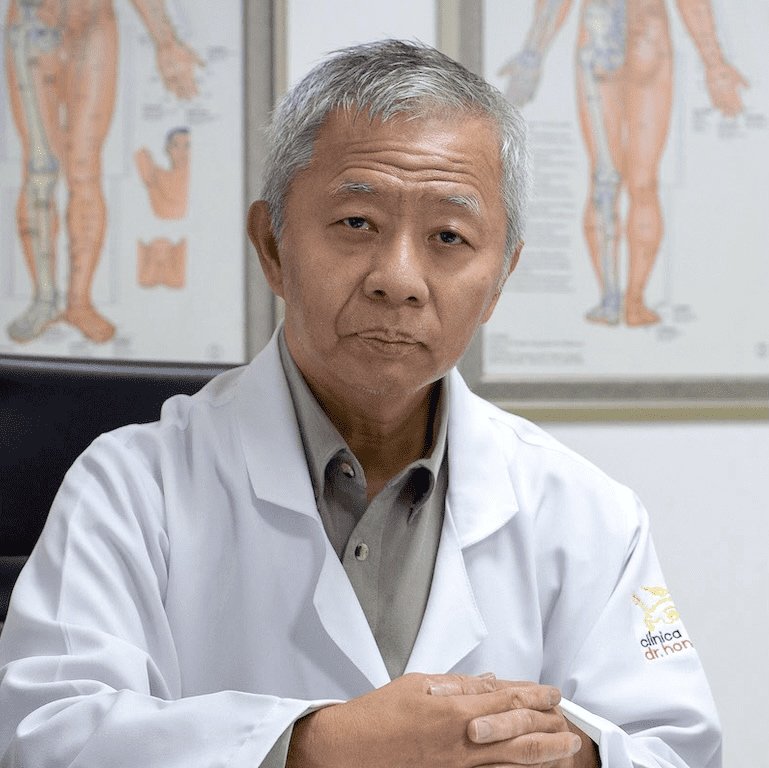
Expert Commentary
Prof. Dr. Hong Jin Pai
PhD in Sciences, University of São Paulo
▸ Clinical Relevance
PCOS affects 15% to 20% of women of reproductive age, and what this trial makes clear — with 926 participants distributed across 27 hospital centers in China — is that emotional distress and dyslipidemia are part of the same pathophysiologic spectrum that we need to address in an integrated way. In daily practice, we receive women with PCOS referred exclusively for the reproductive complaint, while anxiety, subclinical depression, and elevated LDL are already present and ignored. The demonstration of statistically significant improvement in the emotional domains of the SF-36 and ChiQOL, combined with reductions in LDL-C and homocysteine after four months of true acupuncture, supports the inclusion of this intervention in integrative protocols for young women with PCOS, especially those in whom the weight of the emotional component hampers adherence to conventional pharmacological treatment and lifestyle changes.
▸ Notable Findings
The finding that deserves privileged attention is not isolated — it is the simultaneity of emotional improvement and lipid-profile modification. Significant LDL-C reduction accompanied by increases in lipoprotein A and apolipoprotein A1, with a consequent improvement in the ApoA1/ApoB ratio, suggests that acupuncture acts on neuroendocrine pathways with concrete metabolic repercussions, not just on subjective outcomes. Equally intriguing is the change in serum ions — increases in calcium, potassium, and chloride with p < 0.005 — which opens hypotheses about autonomic modulation and electrolyte homeostasis as intermediate mechanisms. The concomitant improvement in acne is an objective clinical outcome rarely reported in acupuncture studies in PCOS and reinforces a modulatory androgenic effect. Together, these data build a coherent mechanistic argument that goes beyond placebo, even acknowledging that the sham group also showed some improvements.
▸ From My Experience
In my practice at the Pain Center of HC-FMUSP, I have followed women with PCOS who arrive after years of exclusive hormonal treatment, carrying untreated emotional symptoms and a deteriorated lipid profile. What this study confirms at scale is something we observe routinely: the emotional response usually appears earlier than the metabolic one — I generally notice improvement in mood and energy within the first four to six sessions, while laboratory changes become visible after two to three months of continuous treatment. I usually work with cycles of 12 to 16 sessions, combining acupuncture with nutritional counseling and regular aerobic exercise, which potentiate the effects on the lipid profile. Spleen, Kidney, and Liver meridian points form the base protocol I use for PCOS with a predominant emotional component. I do not routinely recommend acupuncture as monotherapy in patients with severe insulin resistance or very high BMI without concurrent multidisciplinary support — acupuncture acts as a potentiator, not a substitute, for conventional treatment.
Full original article
Read the full scientific study
Frontiers in Endocrinology · 2023
DOI: 10.3389/fendo.2023.1237260
Access original articleScientific Review

Marcus Yu Bin Pai, MD, PhD
CRM-SP: 158074 | RQE: 65523 · 65524 · 655241
PhD in Health Sciences, University of São Paulo. Board-certified in Pain Medicine, Physical Medicine and Rehabilitation, and Medical Acupuncture. Scientific review and curation of every entry in this library.
Learn more about the author →Medical disclaimer: This content is for educational purposes only and does not replace consultation, diagnosis, or treatment by a qualified professional. Some information may be assisted by artificial intelligence and is subject to inaccuracies. Always consult a physician.
Content reviewed by the medical team at CEIMEC — Integrated Centre for Chinese Medicine Studies, a reference in Medical Acupuncture for over 30 years.
Related articles
Based on this article’s categories