The autonomic nervous system: A potential link to the efficacy of acupuncture
Li et al. · Frontiers in Neuroscience · 2022
Evidence Level
STRONGOBJECTIVE
To review how the autonomic nervous system (ANS) mediates the therapeutic effects of acupuncture
WHO
Analysis of basic and clinical studies published in the past 20 years on PubMed
DURATION
20-year review (2002–2022)
POINTS
PC-5, PC-6, ST-36, ST-37, ST-25, HT-7, HT-5, SP-6, GB-20, among others
🔬 Study Design
Literature review
n=0
Analysis of studies on the ANS and acupuncture
📊 Results in numbers
Systems regulated by the ANS
Brain nuclei involved
Main acupoints studied
Established efficacy
📊 Outcome Comparison
Most-studied systems
This review shows that acupuncture works primarily through the autonomic nervous system — the network that automatically controls functions such as heart rate, digestion, and pain response. Acupuncture activates specific brain centers that regulate these systems, explaining why it is effective for so many different conditions including migraine, digestive problems, and chronic pain.
Article summary
Plain-language narrative summary
The autonomic nervous system and acupuncture: an important connection for understanding how treatments work
Imagine your body as a modern city with complex communication networks running without you having to think about them. The autonomic nervous system is like that central control network, silently coordinating vital functions such as heart rate, digestion, respiration, and immune response. A recent scientific review reveals how acupuncture may work specifically through this system to promote healing and symptom relief.
The autonomic nervous system is composed of three main parts: the sympathetic system (which prepares us for emergency situations), the parasympathetic system (which helps us relax and recover), and the enteric nervous system (which controls the bowel). When these parts work in harmony, we maintain health. However, when they become dysregulated, various conditions can arise, including chronic pain, digestive problems, migraines, depression, insomnia, and inflammatory disorders. The importance of this research lies in the fact that many of the main indications for acupuncture are directly related to autonomic nervous system imbalances.
To better understand this relationship, the researchers conducted a comprehensive review of scientific studies published over the past twenty years, examining both basic laboratory research and clinical studies with patients. They analyzed how acupuncture influences autonomic nervous system functioning and how this translates into therapeutic benefits. The methodology involved examining evidence from different types of studies, from animal experiments to controlled clinical trials in humans, focusing specifically on the neural mechanisms that connect acupoint stimulation to the observed therapeutic effects.
The results reveal a fascinating picture of how acupuncture works. When a needle stimulates a specific point, it activates sensory nerve fibers that send signals through the spinal cord to the brain. In the brain, there is a complex network of autonomic nuclei including areas such as the insular cortex, prefrontal cortex, anterior cingulate cortex, amygdala, hypothalamus, and several brainstem regions. These areas process and integrate acupuncture information, then send signals back through autonomic nerves to regulate organs and systems throughout the body.
For pain relief, research shows that acupuncture activates both descending inhibitory systems and emotional circuits in the brain. Points such as Zusanli are particularly effective, working through regions such as the amygdala and prefrontal cortex to reduce both pain intensity and associated emotional suffering. In the cardiovascular system, points on the Heart and Pericardium meridians, especially Jianshi and Neiguan, regulate blood pressure and cardiac function by activating hypothalamic nuclei and inhibiting sympathetic centers in the medulla, resulting in reduced excessive cardiovascular activation.
For gastrointestinal problems, acupuncture at points such as Zusanli and Zhongwan works through pathways connecting the hypothalamus to vagal nuclei, improving intestinal motility and reducing digestive symptoms. Notably, when the vagus nerves are experimentally severed, these effects disappear, confirming the crucial role of the autonomic nervous system. In anti-inflammatory effects, acupuncture activates what scientists call the "cholinergic anti-inflammatory pathway," where vagal signals reduce the production of inflammatory substances in organs such as the spleen.
The clinical implications are substantial for both patients and providers. For patients, these findings help explain why acupuncture may be effective for a wide range of seemingly unrelated conditions — all of which share connections with autonomic nervous system dysfunction. This validates clinical experiences where patients report improvements not only in the main complaint but also in associated symptoms such as sleep quality, stress levels, and overall well-being.
For providers, understanding these mechanisms offers more precise guidance for point selection and treatment parameters. For example, knowing that specific points activate particular neural pathways, acupuncture practitioners can choose more targeted combinations. The research also reveals that factors such as stimulation intensity and point location influence which branches of the autonomic system are activated, allowing for more personalized treatments.
However, there are important limitations to consider. Most research on detailed mechanisms has been conducted in animal models, and the results do not always translate directly to humans. In addition, although we have a good understanding of how acupuncture influences central brain nuclei, we still need more research on exactly how these centers coordinate peripheral sympathetic and parasympathetic nerve responses.
The specificity of acupoints also requires further investigation. Although different points clearly have distinct effects, the precise rules governing these specificities are not yet fully mapped. Future studies also need to examine how individual factors such as genetics, age, and existing health conditions may influence autonomic responses to acupuncture.
This research represents a significant advance in the scientific understanding of acupuncture, providing a solid neurobiological basis for its therapeutic effects. The autonomic nervous system emerges as a key mediator, explaining how a relatively simple intervention can have such broad and lasting effects. For clinical practice, this means potentially more effective and targeted treatments, as well as greater scientific credibility for acupuncture in the modern healthcare system. As our understanding of these mechanisms continues to deepen, we can expect even more exciting developments in optimizing acupuncture protocols for maximum therapeutic benefit.
Strengths
- 1Comprehensive review of 20 years of research
- 2Integrates basic and clinical studies
- 3Identifies specific neural mechanisms
- 4Explains acupuncture efficacy across multiple conditions
- 5Maps detailed neural circuits
Limitations
- 1Narrative review, not meta-analysis
- 2Limited focus on certain organ systems
- 3Need for more studies on acupoint specificity
- 4Few data on different acupuncture techniques
- 5Mechanisms for some organs still unclear
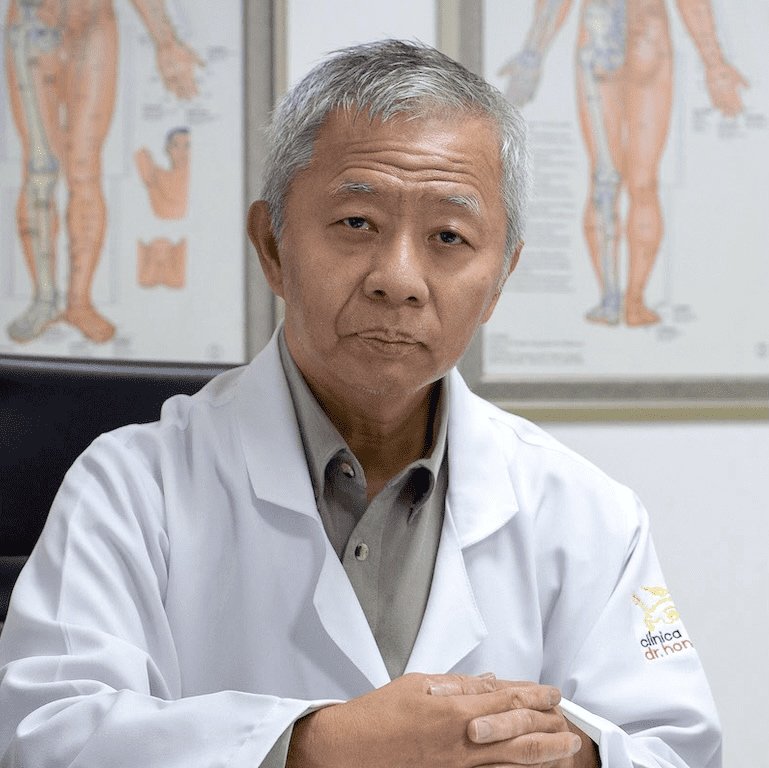
Expert Commentary
Prof. Dr. Hong Jin Pai
PhD in Sciences, University of São Paulo
▸ Clinical Relevance
This 20-year literature review consolidates the autonomic nervous system as the principal mediator of acupuncture's therapeutic effects, and this has direct implications for protocol selection in conditions of high prevalence in outpatient practice. Patients with mixed syndromes — chronic pain associated with sleep disorders, migraine with an autonomic component, functional dyspepsia, or chronic constipation — are precisely those who benefit most from this mechanistic understanding. Knowing that ST-36, PC-6, and ST-25 activate distinct neural pathways along the hypothalamus-brainstem axis allows selecting point combinations with pathophysiological logic, not merely empirical reasoning. In the context of integrative medicine, this mapping of neural circuits — insular cortex, amygdala, PAG, NTS — provides a common vocabulary among acupuncturists, neurologists, and gastroenterologists, facilitating coherent interdisciplinary management.
▸ Notable Findings
The most robust finding of this review is the demonstration that the vagus nerve functions as an obligatory efferent pathway for several acupuncture effects: when experimentally severed, the gastrointestinal and anti-inflammatory effects disappear. This positions the cholinergic anti-inflammatory pathway — involving the spleen and suppression of pro-inflammatory cytokines — as a central, not peripheral, mechanism. Equally relevant is the identification that stimulation intensity and location determine which autonomic branch is preferentially recruited, which explains divergences in results between studies using different parameters. The convergence between emotional circuits — amygdala, prefrontal cortex — and descending pain inhibition modules also clarifies why acupuncture simultaneously reduces pain intensity and associated affective suffering, an outcome that one-dimensional pain scales frequently fail to capture.
▸ From My Experience
In my practice at the Pain Center of HC-FMUSP, the autonomic understanding of acupuncture stopped being theory long ago — it guides daily prescription. Patients with chronic migraine and associated dysautonomia, or with post-infectious irritable bowel syndrome, typically show a perceptible response between the third and fifth session, especially when we combine ST-36 with PC-6 and add low-frequency electroacupuncture for vagal recruitment. We usually work with cycles of 10 to 12 sessions for stabilization, followed by biweekly or monthly maintenance depending on residual autonomic load. We regularly combine breathing regulation techniques and moderate aerobic exercise, which synergistically potentiate parasympathetic tone. The profile that responds best is the patient with documented sympathetic hyperactivity — reduced heart rate variability, night sweats, accelerated intestinal transit — where descending modulation via the PAG and NTS produces perceptible rebalancing both in target symptoms and in overall well-being reported spontaneously.
Full original article
Read the full scientific study
Frontiers in Neuroscience · 2022
DOI: 10.3389/fnins.2022.1038945
Access original articleThis study underpins the editorial content of the site.
Condition pages and clinical articles that cite this evidence as the basis of their recommendations.
Scientific Review

Marcus Yu Bin Pai, MD, PhD
CRM-SP: 158074 | RQE: 65523 · 65524 · 655241
PhD in Health Sciences, University of São Paulo. Board-certified in Pain Medicine, Physical Medicine and Rehabilitation, and Medical Acupuncture. Scientific review and curation of every entry in this library.
Learn more about the author →Medical disclaimer: This content is for educational purposes only and does not replace consultation, diagnosis, or treatment by a qualified professional. Some information may be assisted by artificial intelligence and is subject to inaccuracies. Always consult a physician.
Content reviewed by the medical team at CEIMEC — Integrated Centre for Chinese Medicine Studies, a reference in Medical Acupuncture for over 30 years.
Related articles
Based on this article’s categories